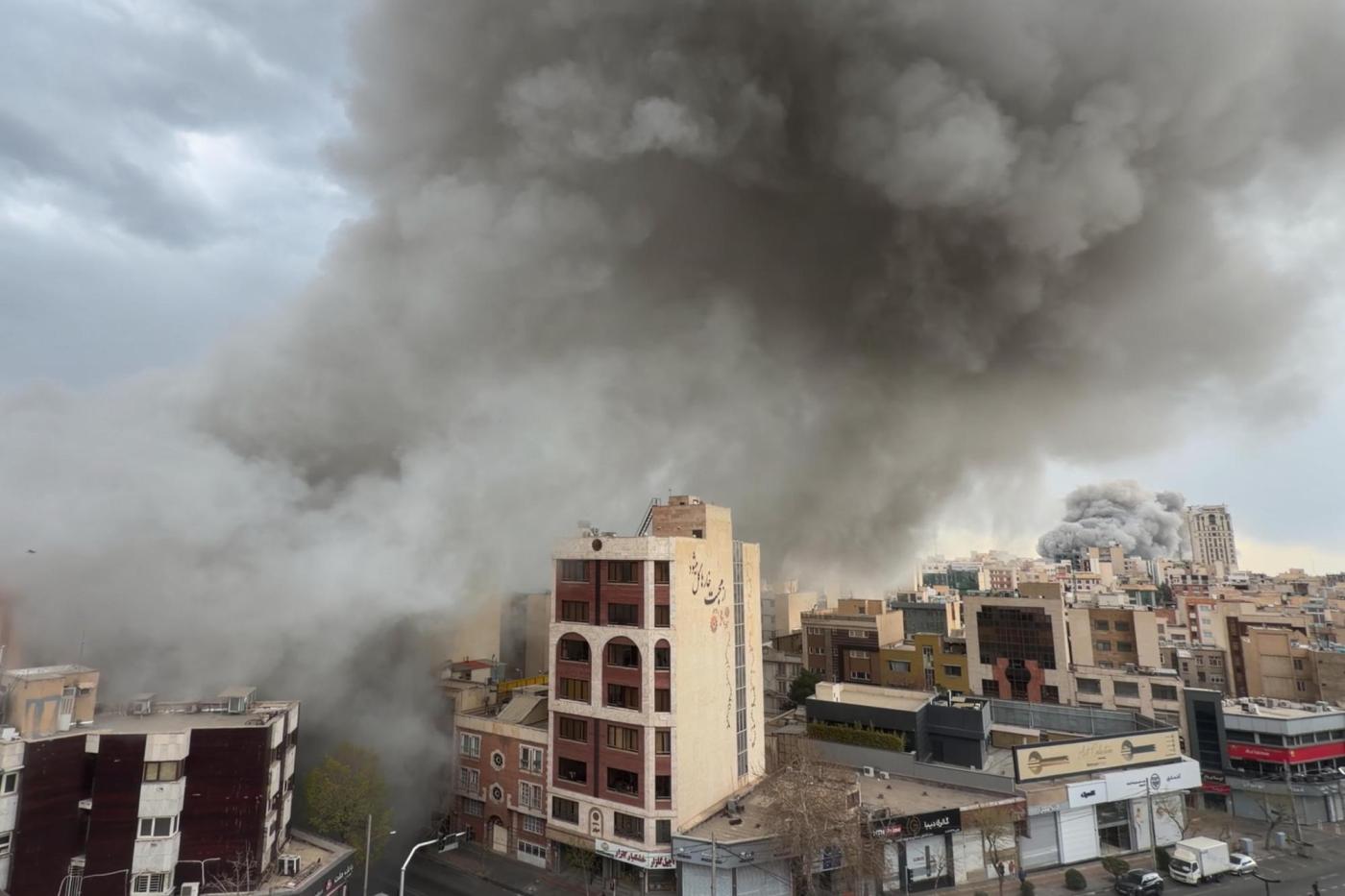
Gas prices in Massachusetts have seen a notable increase in response to the recent military actions involving the United States and Israel against Iran. As of Tuesday, the average cost for a gallon of regular gasoline rose to $2.97, reflecting a 6-cent increase from $2.91 just a day earlier, according to data from the American Automobile Association (AAA). This figure marks a rise from $2.89 per gallon recorded a week prior.
The uptick in prices comes amid escalating geopolitical tensions. Mark Schieldrop, a representative from AAA Northeast, noted that gasoline prices were already on the rise due to seasonal demand and increasing production costs. He stated, “When markets react to geopolitical conflict, rising oil prices put upward pressure on gas prices, but time will tell how large the impact will be at the pump.”
National Trends and Local Variations
On a national scale, the average gas price increased to $3.10 per gallon, up 11 cents from $2.99 on Monday. This marks a significant rise from the average of $2.88 per gallon just a month ago. In Massachusetts, Suffolk County has reported the highest average gas price at $3.10 per gallon, while Middlesex County averages $2.98 and Essex County follows with $2.94. For consumers looking for lower prices, Bristol County stands out with an average of $2.76 per gallon.
The price variation extends to the coastal islands, where prices are typically higher due to transportation costs. For instance, Nantucket has reported an average of $4.11 per gallon, while Martha’s Vineyard averages $3.98 per gallon. In contrast, the Cape has lower prices, averaging $2.96 per gallon.
Impact of Geopolitical Conflict on Oil Prices
The recent military actions have spurred oil prices to levels not seen in over a year. Following the weekend strikes against Iran, oil futures surged as Iran retaliated with attacks, including a drone strike on the U.S. Embassy in Saudi Arabia. Iranian forces also targeted energy facilities in Qatar and Saudi Arabia, further disrupting tanker traffic through the Strait of Hormuz, a crucial waterway through which approximately one-fifth of the world’s oil passes.
The price of crude oil is the primary influence on gasoline costs in the United States. As crude prices rise, consumers can typically expect to feel the effects at the pump within a few weeks. This immediate reaction to geopolitical unrest highlights the interconnectedness of global oil markets and local fuel prices.
While it remains to be seen how the ongoing conflict will affect prices in the long term, the current situation underscores the volatility of the oil market and its direct impact on consumers. As tensions continue to unfold, motorists in Massachusetts and beyond will be watching closely how these developments influence the cost of fuel in the coming days and weeks.