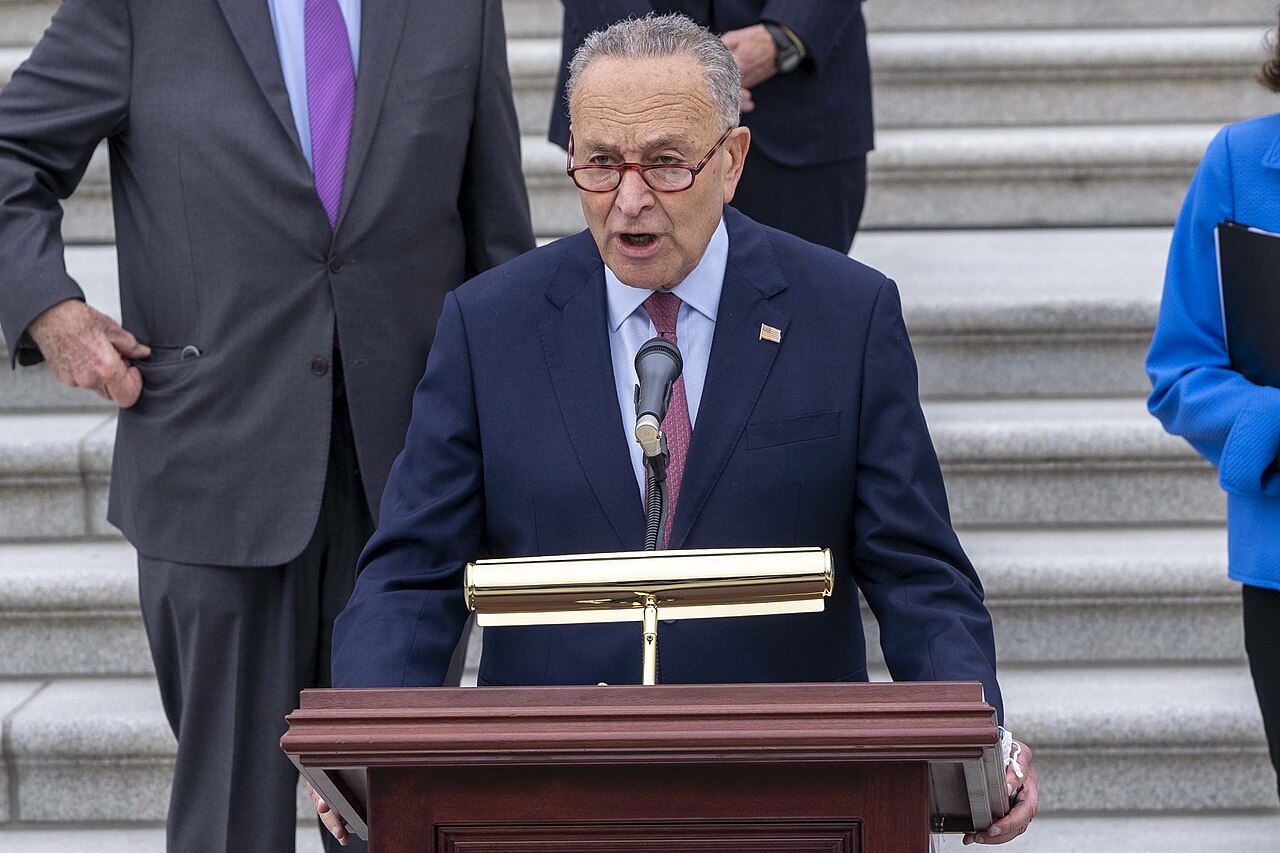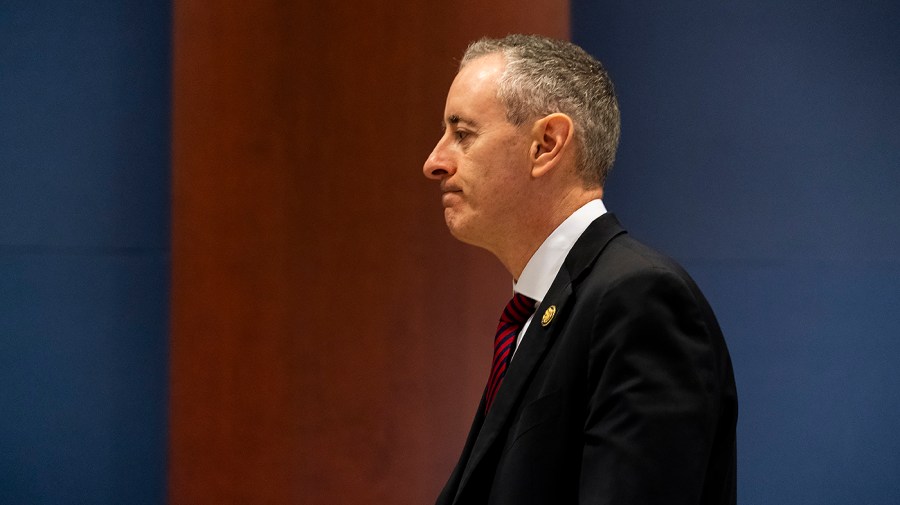
Rep. Brian Fitzpatrick (R-Pa.) publicly criticized Republican leaders on March 6, 2024, claiming they engineered the debate surrounding a series of amendments aimed at reforming ObamaCare to ensure their failure. During a press conference, Fitzpatrick expressed concerns that the party’s strategy was more about preventing potential success than fostering constructive legislative action.
Fitzpatrick articulated his frustration by stating, “Fear of a bill getting 218 votes on the floor is not a reason to keep it off. It’s a reason to put it on the floor.” This comment underscores a significant divide within the Republican Party regarding the approach to health care reform. He emphasized that instead of working toward consensus, party leaders appeared more interested in stifling any proposals that might gain traction among lawmakers.
The amendments in question were designed to address various issues associated with the Affordable Care Act, commonly known as ObamaCare. Fitzpatrick’s remarks reflect a broader frustration within segments of the GOP, where some members advocate for a more open discussion about health care solutions, while others prefer to maintain a strict party line.
In a political landscape increasingly focused on partisan divides, Fitzpatrick’s comments may resonate with those who feel that effective governance requires collaboration and compromise. Many constituents in his district have expressed concerns about health care access and affordability, making the failure of these amendments particularly poignant.
As the debate continues, the Republican leadership’s strategy remains under scrutiny. Critics argue that fear of success can hinder meaningful progress on critical issues affecting millions of Americans. Fitzpatrick’s call to action suggests that a more inclusive approach could lead to viable health care reforms that reflect the needs of constituents across the country.
Further developments are anticipated as the GOP navigates its internal divisions and the ongoing challenges of health care policy. The outcome of this debate could significantly influence the party’s agenda leading into the next election cycle.