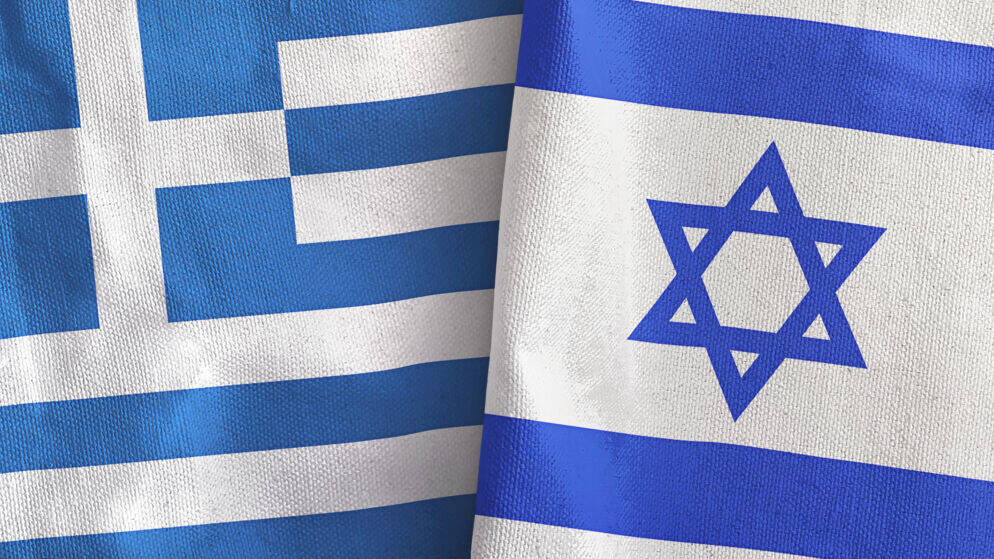
For decades, Greece maintained a cautious stance towards Israel, often prioritizing its relationships with Arab nationalist movements over ties with the Jewish state. This approach began to shift dramatically in the last decade, culminating in Greece’s emergence as one of Israel’s closest allies in Europe. The transformation, marked by a series of diplomatic and military collaborations, highlights a significant geopolitical realignment in the eastern Mediterranean.
Shifting Alliances in the Eastern Mediterranean
Greece’s initial reluctance to engage with Israel can be traced back to historical alignments during the Cold War. The country was the last in Europe to recognize Israel, establishing full diplomatic relations only in 1990. Under former Prime Minister Andreas Papandreou, Greece supported the Palestine Liberation Organization, while the rise of extremist groups like Golden Dawn in the 2000s perpetuated antisemitic sentiments. A survey by the Anti-Defamation League in 2020 revealed that 69% of Greeks held antisemitic views, the highest percentage in Europe.
The turning point came after the 2010 Mavi Marmara incident, which strained Israeli-Turkish relations. Greece seized the opportunity to deepen military and energy cooperation with Israel. High-level visits, joint military exercises, and strategic partnerships blossomed, replacing the past perception of Israel as a mere convenience with a perception of mutual benefit.
The escalation of tensions following the Gaza conflict on October 7, 2023, further solidified this alliance. Greece was among the first nations to show support for Israel by projecting the Israeli flag onto its Parliament building. Prime Minister Kyriakos Mitsotakis visited Israel shortly after, meeting with families of hostages and asserting his role as a “true friend” of Israel. Despite growing European pressure regarding Gaza, Athens has resisted calls to distance itself from Jerusalem.
Domestic Challenges and Political Resolve
Despite the government’s commitment to strengthening ties with Israel, this pro-Israel stance has fueled significant domestic dissent. The ongoing Gaza war sparked widespread protests in various cities, especially in major port areas and tourist destinations. Israeli cruise ships faced blockades, and incidents of vandalism against Jewish cemeteries and Holocaust memorials were reported. Dockworkers also refused to load cargo intended for Israel, illustrating a disconnect between government policy and public sentiment.
In response to the protests, Greek officials have condemned these actions, labeling them as shameful. The government has taken steps to protect Israeli visitors and local business leaders organized counter-demonstrations to reaffirm their support for the Israeli partnership. This demonstrates the government’s determination to maintain its strategic alignment with Israel, despite the challenges posed by public opinion.
The situation is not unique to Greece; neighboring Cyprus has also strengthened its ties with Israel, moving from cautious engagement to robust cooperation in energy and defense. Countries such as Austria and the Czech Republic, traditionally skeptical of Israel, have also enhanced their political commitments, suggesting a broader shift in European attitudes.
As Greece navigates this complex landscape, the sustainability of its pro-Israel alignment remains a critical question. Leaders recognize the need for public legitimacy to support strategic alliances forged during times of crisis. “Friends must speak hard truths,” Mitsotakis stated, acknowledging that support must be both principled and pragmatic.
The shift in Greece’s foreign policy is significant. A nation that once kept Israel at arm’s length now stands as one of its closest European partners. The challenge ahead lies not in the authenticity of this alignment but in its ability to withstand the pressures of democratic governance, ongoing conflicts, and a region fraught with complexities.