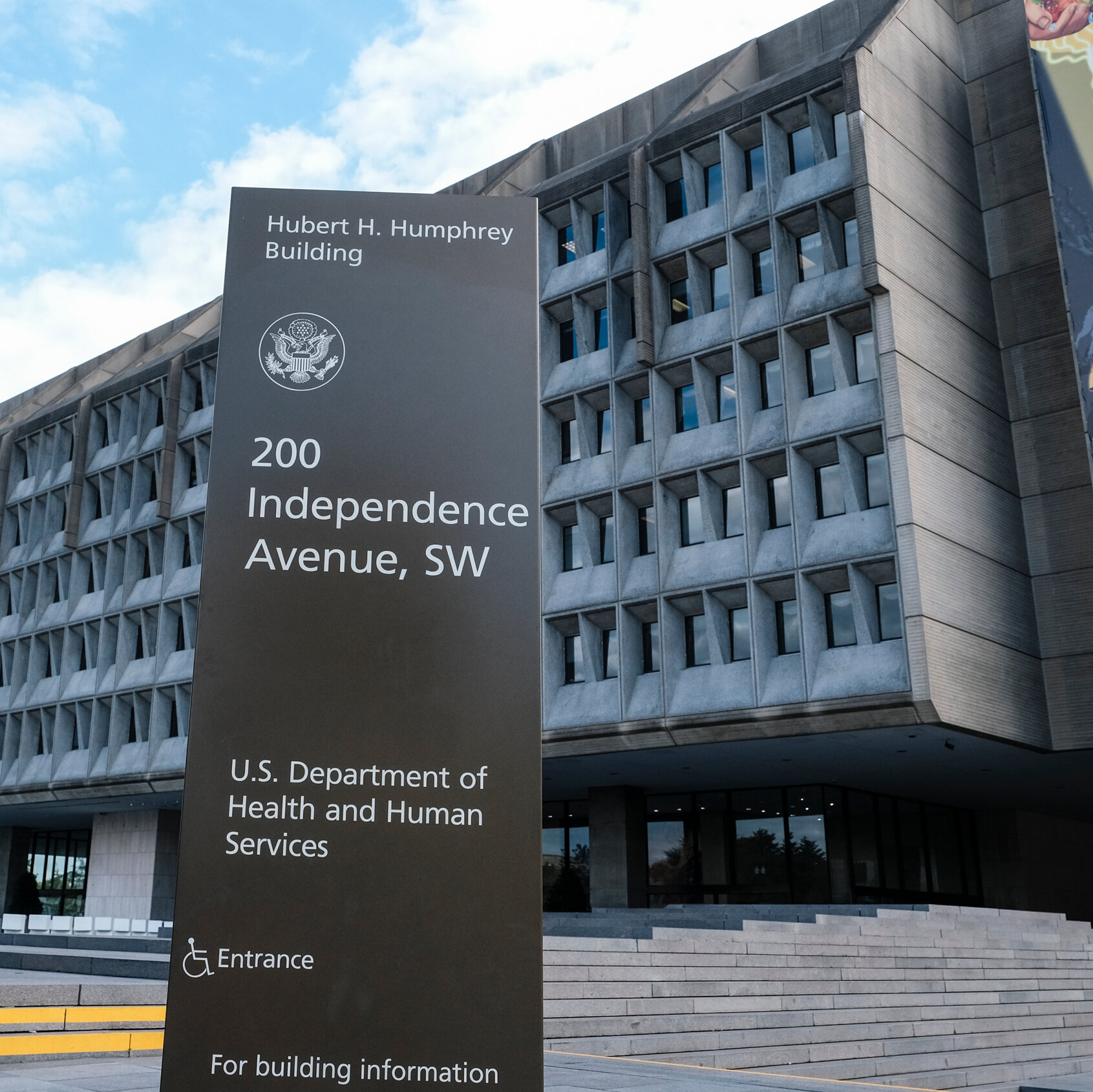
The U.S. Health Department has announced a pause on approximately $10 billion in funding directed towards programs in five Democratic-led states: California, Colorado, Illinois, Minnesota, and New York. This significant funding freeze could severely impact essential services, including child care and various community programs that serve hundreds of thousands of households.
The decision has raised concerns among state officials and advocates who argue that these funds are vital for maintaining operational stability in health care, education, and social services. Many programs in these states rely heavily on federal funding to ensure access to resources for families in need.
Impact on Child Care and Community Services
The funding suspension will likely hinder child care services, which are critical for working families. In states like California, where child care costs can be prohibitively high, the loss of federal support may lead to increased fees or reduced access for families seeking care. This situation could exacerbate existing challenges for parents balancing work and family responsibilities.
In addition to child care, various community programs that provide food assistance, housing support, and health services are also at risk. Advocates have expressed alarm over the potential fallout, emphasizing that these programs address fundamental needs that affect individuals’ well-being and economic stability.
State leaders have responded with urgency, calling on the federal government to reconsider its decision. They argue that the funding is not only an investment in local communities but also a necessary response to the ongoing challenges posed by the pandemic and economic recovery efforts.
Political Reactions and Future Implications
Political ramifications from this funding freeze are expected to unfold, as state officials prepare to advocate for their constituents. Governor Gavin Newsom of California stated, “We cannot afford to lose critical support that helps families thrive. The federal government must prioritize the needs of our communities.”
This funding pause comes as part of broader discussions on federal budget allocations and priorities, particularly in the context of ongoing debates regarding support for state and local governments. The implications could extend beyond immediate program funding, potentially affecting public sentiment and political dynamics in upcoming elections.
As the situation develops, stakeholders from various sectors are closely monitoring the potential outcomes of this funding freeze. The Health Department’s decision underscores the complex relationship between federal support and local governance, with significant implications for the lives of thousands across the affected states.
Advocacy groups continue to mobilize, urging officials to restore the funding necessary to support vulnerable populations. The need for a collaborative approach to address the funding challenges has never been more pressing, as communities prepare to face the repercussions of this decision in the coming months.