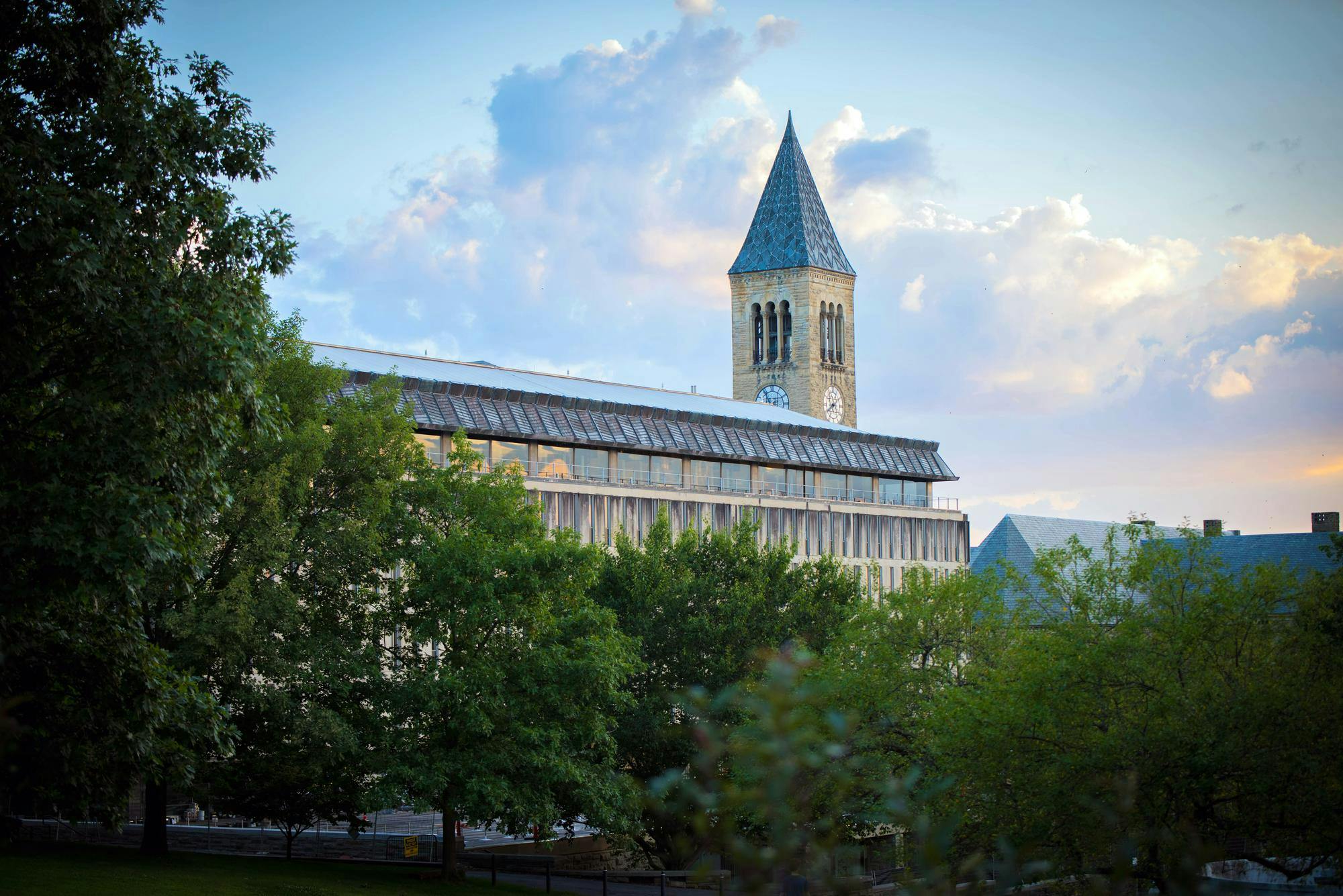
The Secretary of War, Pete Hegseth, has initiated a significant policy change that could restrict military tuition assistance at numerous prestigious universities, including Cornell University. A preliminary assessment by the U.S. Army identifies these institutions as being at “moderate to high risk” for losing eligibility due to perceived bias against the military.
Military tuition assistance allows service members to access up to $4,500 annually for graduate-level education. The Tuition Assistance Top-Up program supplements this amount, covering any additional tuition costs for more expensive programs. Currently, over 230,000 service members benefit from these educational programs. Under Hegseth’s proposed policy, military personnel would be barred from receiving financial support for graduate studies at Cornell and other leading universities.
The Army’s list of institutions at risk includes all Ivy League schools, except Dartmouth, along with renowned universities such as the Massachusetts Institute of Technology, New York University, Stanford, and Duke. Notably, it also encompasses nearly 30 other institutions, including a university in London.
The context for this decision follows a memo issued by Hegseth on February 6, 2024, which severed ties between the Pentagon and Harvard University for the 2026-2027 academic year. This directive prohibits funding for graduate-level military education, fellowships, and certificate programs linked to Harvard. A source familiar with the memo revealed that the military has been tasked with reviewing graduate programs at Ivy League universities and others that may have connections to the Chinese Communist Party or diminish critical thinking.
Hegseth articulated his rationale for these actions in a public video, expressing concerns that many military officers return with ideologies that do not enhance military effectiveness. He criticized the Ivy League for fostering a culture with a “pervasive institutional bias and a lack of viewpoint diversity.” He emphasized that the Army, Navy, and Air Force would evaluate graduate offerings at Ivy League and comparable institutions, although the U.S. Army is the only branch confirmed to have undertaken this evaluation so far.
In his closing remarks, Hegseth stated, “We train warriors, not wokesters,” further underscoring his stance against perceived ideological influences within these academic environments.
This move follows previous funding reductions during the Trump administration, which affected Cornell and other leading universities. Cornell, along with several Ivy League institutions, negotiated with the administration to restore funding to their programs and research initiatives.
When approached for comment regarding Hegseth’s statements and the university’s communication with the Department of War, a spokesperson for Cornell University highlighted its long-standing commitment to educating active-duty military personnel and veterans. The spokesperson noted, “Cornell University has proudly educated active-duty military and veterans since its founding and is the only Ivy League institution designated a Purple Heart University for supporting veterans injured in combat.”
The university’s official further stated, “In addition to a robust ROTC program, Cornell educates active-duty officers pursuing graduate business, law, and engineering degrees with financial support from their branches of the military. We look forward to continuing this important relationship.”
The implications of Hegseth’s proposal could significantly alter the educational landscape for military personnel seeking advanced degrees, especially at institutions traditionally viewed as centers of academic excellence.