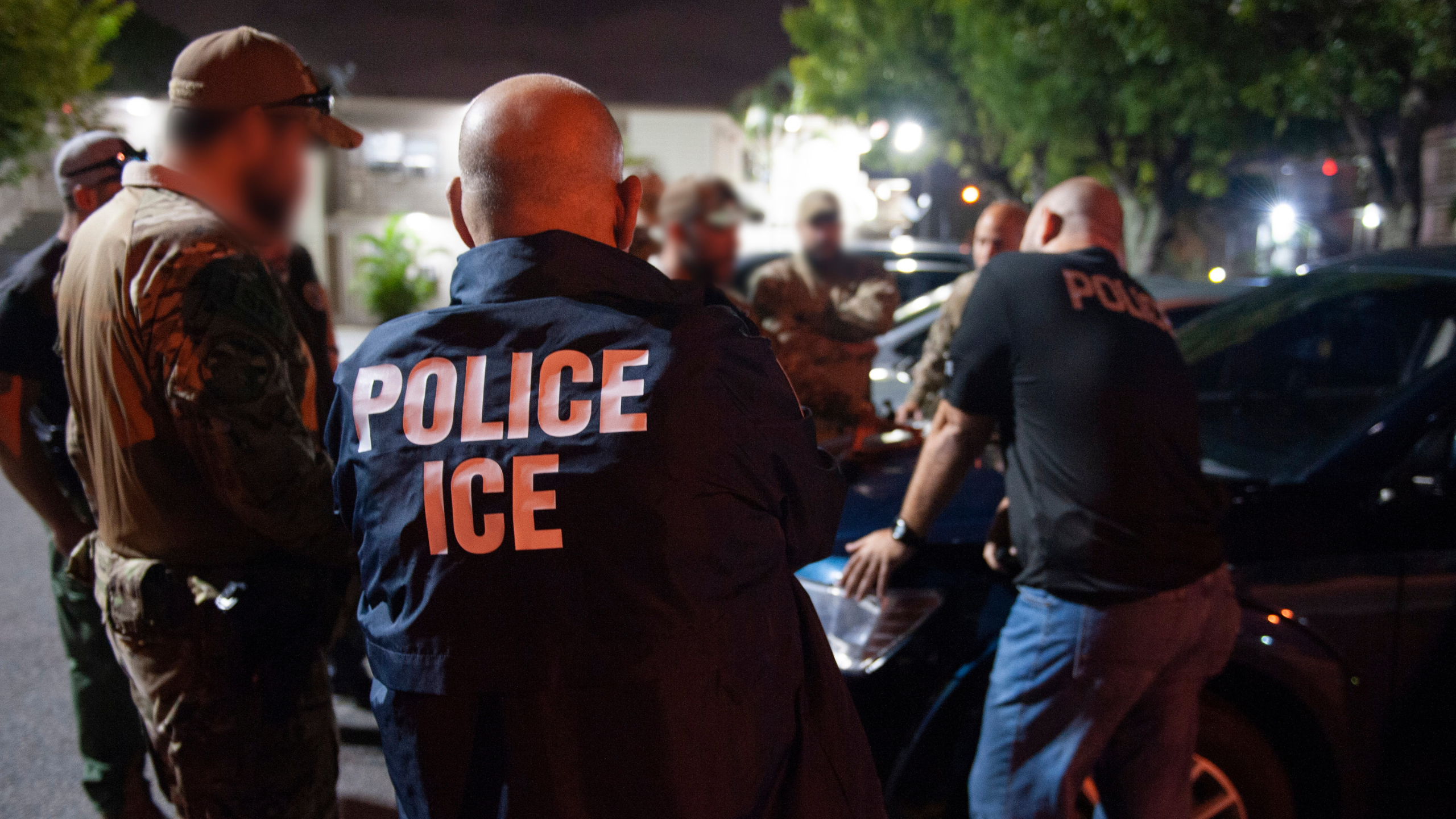
A viral discussion thread has sparked renewed scrutiny of the US Immigration and Customs Enforcement (ICE) agency, revealing troubling accounts from families connected to ICE personnel. Thousands of anonymous users shared personal stories detailing fractured relationships, ethical dilemmas, and serious allegations linked to the agency’s rapid expansion during the Trump administration. The thread, which posed the question, “If you know an ICE agent personally, what’s that relationship like now?” has garnered over 16,000 upvotes and continues to circulate into early 2026.
The discussion became particularly salient following the shooting of Renee Nicole Good by ICE agent Jonathan Ross on 7 January 2026, which intensified the national debate over immigration enforcement practices. Many commenters expressed concerns about the agency’s growing ties to extremist circles. Some noted a coincidental silence from far-right groups, such as the Proud Boys, coinciding with ICE’s aggressive recruitment efforts in 2025. One user stated, “All the 2nd Amendment militia and Proud Boy groups magically evaporated when ICE started hiring. It’s not that they changed—they found new employment.”
These comments, while anecdotal, reflect a broader discourse about the potential ideological shift within ICE, which critics argue has transitioned from a bureaucratic enforcement agency to one increasingly influenced by extremist ideologies. Although ICE has not publicly addressed these allegations, federal agencies have long recognized the risk of white supremacist infiltration in law enforcement.
Allegations of Abuse and Personal Impact
In addition to concerns about extremism, the thread also highlighted disturbing claims of abuse and misconduct among ICE personnel. Users discussed allegations of coercion of detainees and cited cases of sexual misconduct that have garnered media attention. One exchange included comments on video footage showing an ICE officer entering a portable toilet with a handcuffed woman. Reports by organizations such as the ACLU and Human Rights Watch have documented instances of sexual assault, harassment, and forced labor within detention facilities.
One commenter remarked that while the claims were alarming, they were “disturbing but unsurprising,” referencing years of unresolved allegations. Past Senate investigations have confirmed hundreds of abuse complaints against ICE agents, including serious incidents involving minors.
The personal toll of these issues became evident as many users shared stories of families torn apart by the decision to work for ICE. Some Latino families reported severing ties with relatives who joined the agency, while immigrant spouses described living in fear of retaliation. One individual recounted being repeatedly stopped by law enforcement and having their home searched after a family member married an ICE agent, expressing, “If she could make my life this miserable as a citizen, I can’t imagine what it’s like if you’re poor or undocumented.”
Exiting the Agency and Searching for Identity
Not all narratives were focused on misconduct or estrangement. Some users recounted their relatives’ brief tenures with ICE, followed by a decision to leave. A former Marine shared that the enforcement role “never resonated” with him and that a medical emergency shifted his perspective. He concluded, “Best decision I’ve ever made,” later pursuing a career as an EMT.
Another user mentioned a Department of Homeland Security (DHS) veteran who declined a lucrative offer exceeding $400,000 (approximately £302,000) in combined pay and bonuses, stating he could not align the role with his moral values. These personal testimonies reflect a broader unease about the ethical implications of working for an agency that has increasingly become a focal point of national controversy.
As the conversation continues, the complexities surrounding ICE and its impact on families, communities, and the individuals who serve within the agency are garnering attention. With the agency facing allegations of extremism, abuse, and ethical crises, the ongoing dialogue underscores the need for transparency and accountability in immigration enforcement practices.