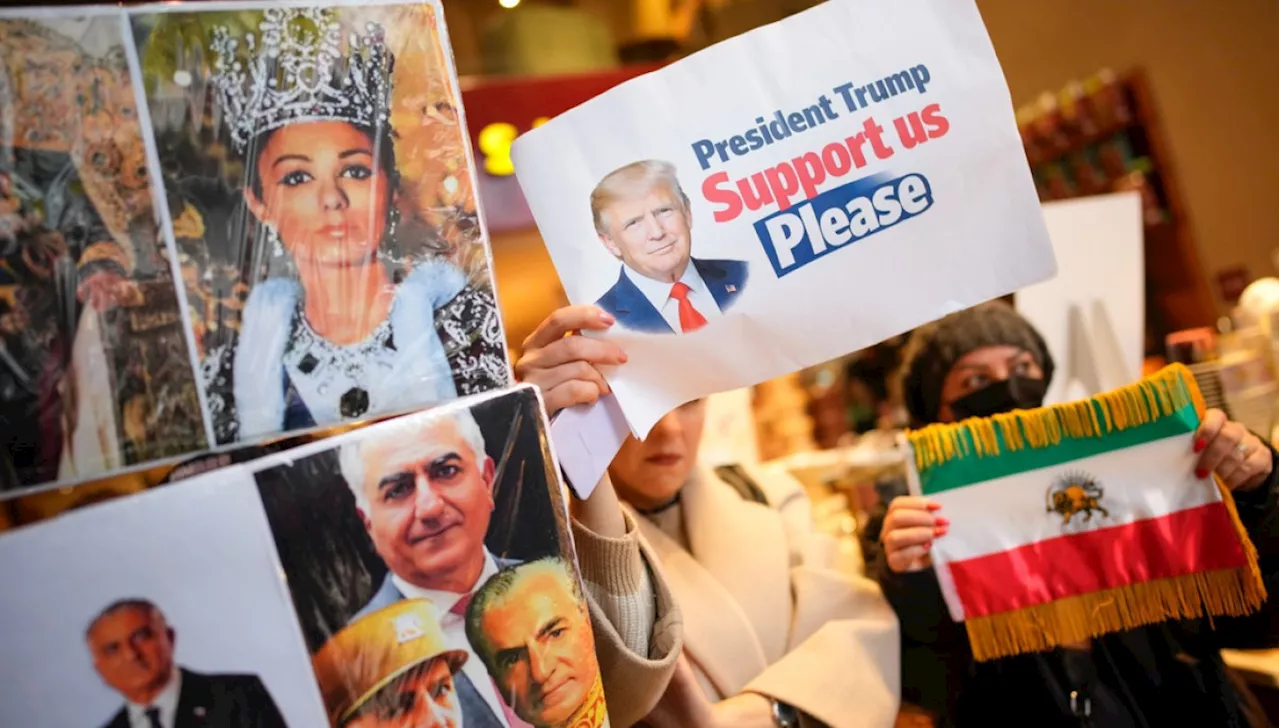
Iran’s crown prince, Reza Pahlavi, recently described former President Donald Trump as the “total opposite” of his predecessors, Barack Obama and Joe Biden, regarding their approaches to fostering relations with the United States. Pahlavi’s comments reflect a broader discourse on American foreign policy and its implications for Iran’s political landscape.
In a statement, Pahlavi emphasized the contrasting strategies employed by Trump, Obama, and Biden in seeking support from the US. His remarks come during a time of significant political tension within Iran, where public discontent has been increasingly directed at the regime led by Ayatollah Ali Khamenei.
Pahlavi’s Readiness to Return to Iran
Pahlavi, who has lived outside of Iran for decades, expressed a strong desire to return to his homeland, indicating he would do so “at the first possible opportunity” if Khamenei’s government were to be overthrown. His comments signal a potential shift in Iran’s political future, should the current regime face significant challenges.
Drawing a distinction between Trump and his predecessors, Pahlavi highlighted how Trump’s administration focused on a more aggressive stance towards Tehran, including the withdrawal from the Iran nuclear deal in 2018. This move marked a significant departure from Obama’s diplomatic efforts aimed at engagement and negotiation. Pahlavi stated that the differences in approach reflect broader ideological divides that influence Iran’s relations with the West.
The crown prince’s critique of Trump aligns with his vision for a democratic Iran, wherein he advocates for reforms and greater freedoms for Iranian citizens. He believes that a change in leadership could pave the way for improved relations with the United States and other nations.
Pahlavi’s statements have garnered attention, as they resonate with many Iranians dissatisfied with the current regime. His call for action and readiness to return has sparked discussions about the future of Iran, particularly among expatriates and political analysts.
The situation in Iran remains complex, with ongoing protests and calls for change. As political dynamics evolve, the role of external influences, such as the United States, will continue to shape the discourse surrounding Iran’s future.
In summary, Reza Pahlavi’s critique of Donald Trump and his readiness to return to Iran highlight the intricate relationship between Iranian politics and international diplomacy, underscoring the potential for significant changes in the region.