Israeli forces apprehended a local Sunni Islamist politician, identified as Atwi Atwi, an ally of the Palestinian militant group Hamas, during an operation in southern Lebanon early on February 7, 2026. The Israeli military confirmed the operation and stated that Atwi was taken to Israel for questioning. This development comes amid heightened tensions in the region, particularly following a series of violent confrontations between Israel and Hezbollah.
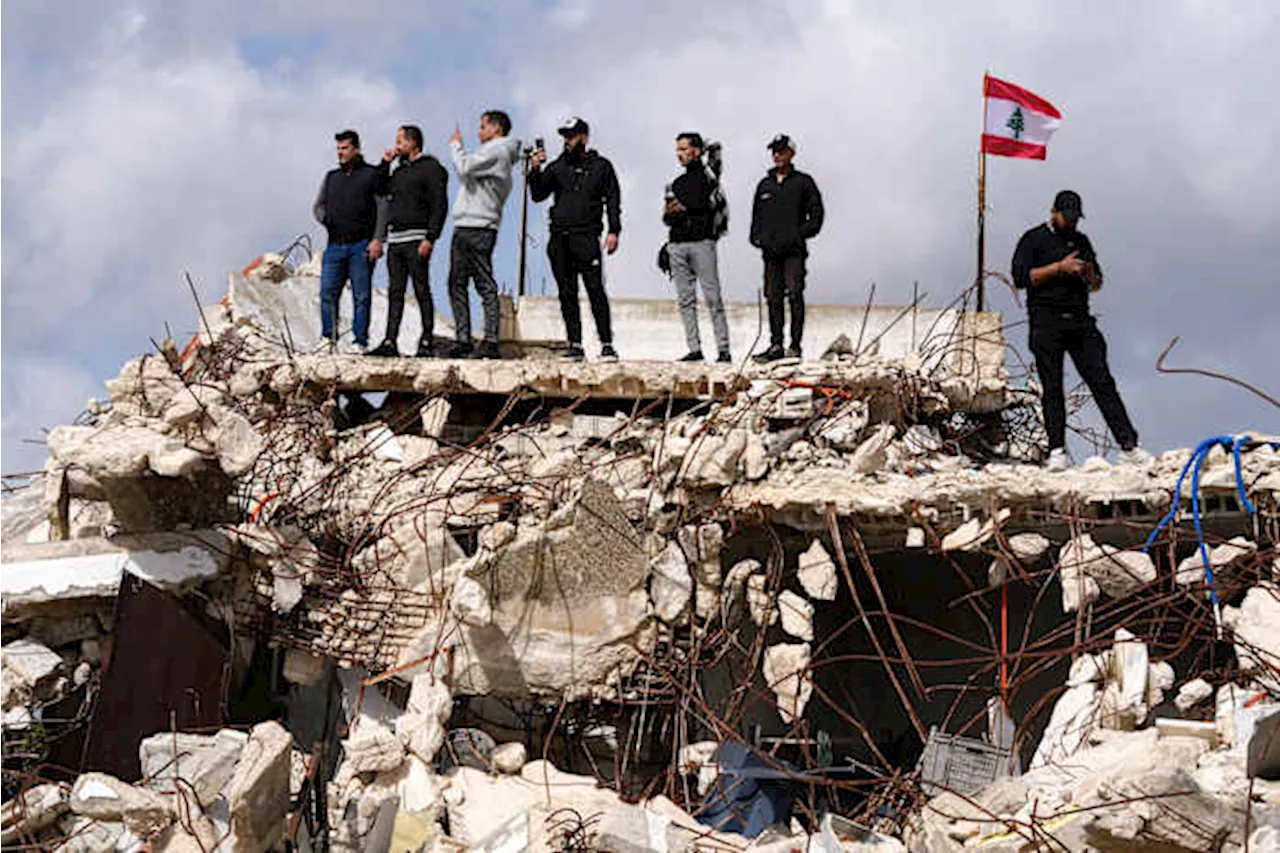
In a separate incident on the same day, an Israeli drone strike targeted a vehicle in the southern Lebanese village of Yanouh, resulting in the deaths of three individuals, including a three-year-old child. The Lebanese state-run National News Agency reported these fatalities, which have raised concerns about civilian casualties in the ongoing conflict. The Israeli military later acknowledged that it aimed at an artillery official associated with Hezbollah, identified as Ahmad Salami, and stated it is reviewing claims regarding civilian deaths.
The Israeli operation that captured Atwi took place in the village of Hebbarieh, located in the Hasbaya region near the border with Israel. The military described the action as a “targeted intelligence-based operation,” although it did not disclose the details of the operation or Atwi’s specific role within the Islamic Group, known as al-Jamaa al-Islamiya in Arabic. This group is often regarded as Lebanon’s branch of the Muslim Brotherhood and has previously cooperated with Hezbollah in response to the Israel-Hamas conflict that escalated in October 2023.
In an official statement, the Islamic Group condemned Atwi’s seizure, characterizing it as part of Israel’s ongoing violations of Lebanese sovereignty. The group called on the Lebanese government to take immediate action for Atwi’s release. The Islamic Group’s relationship with Hezbollah has been underscored by their joint military actions since the outbreak of the recent conflict, suggesting a strategic alignment in their opposition to Israel.
The backdrop of these events is marked by the Israel-Hamas war that began on October 7, 2023, following an attack by Hamas on southern Israel. The conflict has led to extensive military operations, including Israel’s bombardments of Lebanon, which were aimed at weakening Hezbollah’s military capacity. According to the United Nations, this conflict has resulted in over 4,000 deaths in Lebanon, including many civilians, while Israel reported 127 fatalities, with a significant number being military personnel.
After the conflict concluded with a U.S.-brokered ceasefire in 2024, hostilities did not cease entirely. Israel has continued to conduct airstrikes and ground operations in Lebanon, claiming these actions are necessary to dismantle Hezbollah’s infrastructure and mitigate potential threats. The persistent military engagement has kept the region in a state of uncertainty, with both military and civilian lives at risk.
As international observers monitor the situation, the implications of these recent actions could further complicate the fragile dynamics in southern Lebanon, where the interplay between local political factions and regional powers continues to evolve.