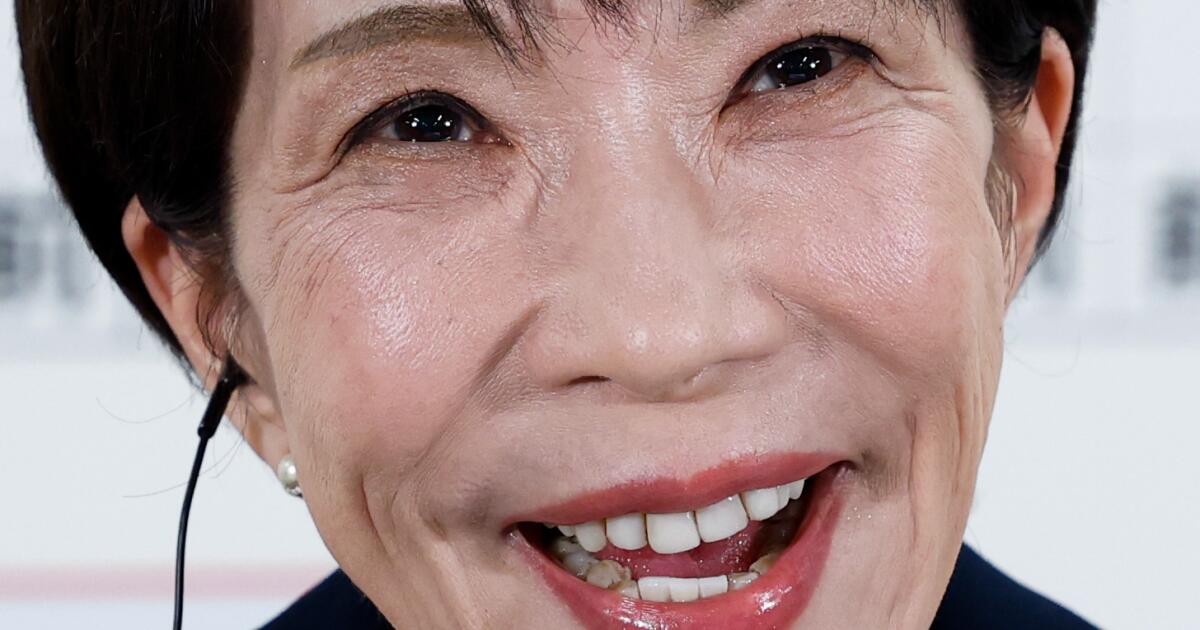
The governing party of Prime Minister Sanae Takaichi achieved a significant victory in Japan’s recent parliamentary elections, securing a majority in the lower house of the National Diet. Preliminary results indicate that Takaichi’s Liberal Democratic Party (LDP) captured 271 seats in the 465-member chamber, comfortably surpassing the 261-seat threshold required for a majority. This election, held on March 10, 2024, comes just four months after Takaichi assumed office, marking a pivotal moment in her administration.
During a televised interview with NHK, Takaichi expressed her determination to advance her policy initiatives following the election results. The LDP’s victory allows her to pursue a right-leaning agenda aimed at enhancing Japan’s economic and military capabilities amidst rising tensions with China. Takaichi emphasized her commitment to working collaboratively with opposition parties while maintaining a flexible approach.
Political Landscape and Future Goals
Takaichi’s administration is characterized by her popularity and proactive leadership style. As Japan’s first female prime minister, she has garnered attention for her vigorous approach to governance, appealing particularly to younger voters who previously felt disconnected from politics. Despite the LDP’s long-standing rule, the party has faced challenges, including funding issues and scandals. With this election win, Takaichi hopes to leverage her popularity to implement significant reforms.
The recent electoral success was bolstered by a fragmented opposition, which includes a newly formed centrist alliance between the LDP’s former coalition partner, the Komeito, and the Constitutional Democratic Party of Japan. However, projections suggest that this alliance will see a significant decline in their combined seat count, potentially dropping to half of their previous total of 167 seats.
Takaichi aims to shift Japan’s policies on security, immigration, and foreign relations. She has stated her intention to revise critical defense policies by December, which includes plans to lift a ban on weapons exports. Her initiatives resonate with far-right sentiments, as exemplified by the rise of the nationalist party Sanseito, which is expected to gain seats as well.
Public Sentiment and Response
As the election results rolled in, Takaichi celebrated by placing red ribbons above the names of winning candidates at the LDP headquarters. Accompanied by party executives, she expressed her readiness to fulfill her campaign promises. Voter sentiment appears cautiously optimistic. For instance, Kazuki Ishihara, a 54-year-old voter, expressed hope that Takaichi could achieve what previous leaders could not, citing stability as a key reason for her support of the LDP.
Despite her ambitious agenda, Takaichi faces the challenge of addressing how to fund increased military spending and navigate diplomatic tensions with China. Critics, including Masato Kamikubo, a politics professor at Ritsumeikan University, argue that the focus on political survival often overshadows substantive policy outcomes. This tension could hinder necessary reforms as the next election approaches.
The recent election not only reflects Takaichi’s personal popularity but also signals a potential shift in Japan’s political landscape, with a more aggressive stance on national defense and immigration policy. As the LDP prepares to move forward, the implications of these changes will unfold in the coming years.