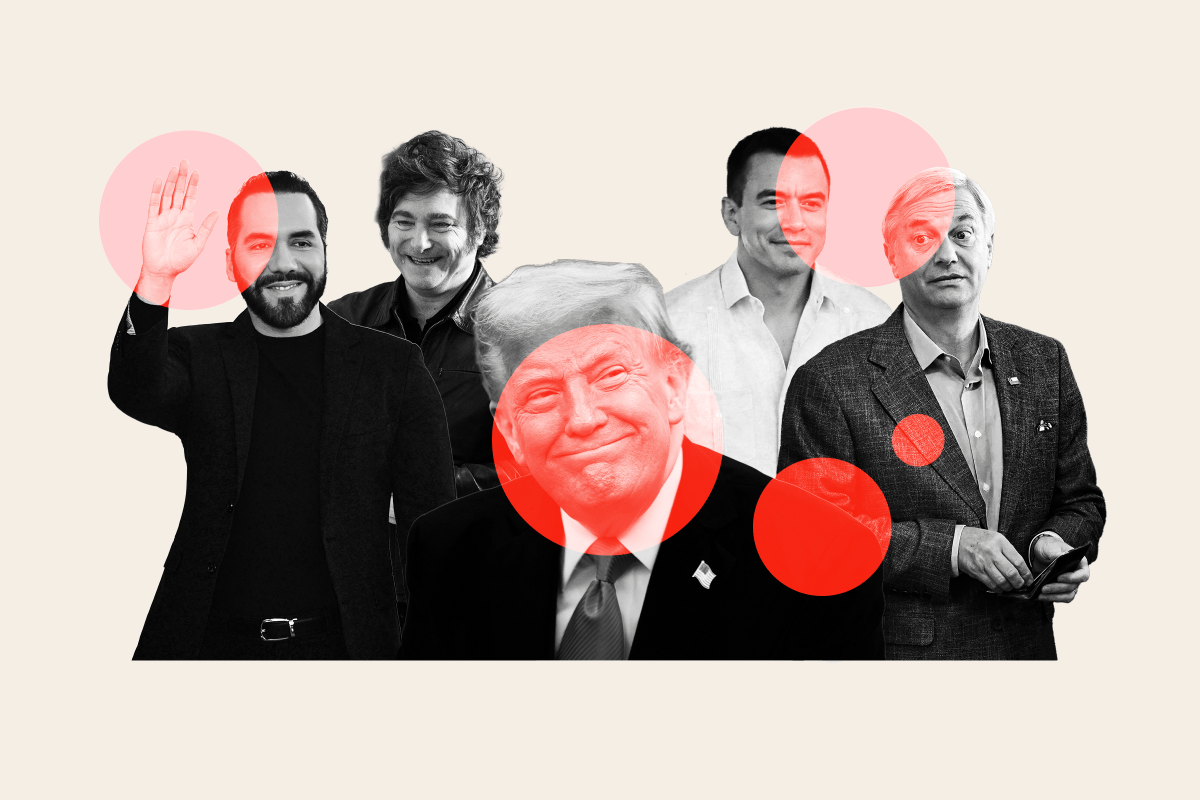
The recent presidential election in Chile saw José Antonio Kast emerge victorious, marking a significant shift in the country’s political landscape. Analysts attribute Kast’s success to a growing alignment with the political strategies of U.S. President Donald Trump, particularly his tough stances on crime, migration, and nationalism. Kast, a 58-year-old lawyer and leader of the far-right Republican Party, campaigned on themes familiar to Trump supporters, emphasizing law and order, cultural conservatism, and a rejection of traditional political norms.
Kast’s admiration for historical figures like former Chilean dictator Augusto Pinochet has also played a role in shaping his political identity. His campaign rhetoric focused heavily on security and sovereignty, promising to restore order amid public fears about crime and migration. According to Marta Lagos, director of Latinobarómetro, a regional polling firm, Kast’s victory was anticipated by the Chilean electorate, which has been shifting rightward over the past several years. “This result has nothing to do with the incumbent government,” Lagos stated. “For Chileans, this outcome was expected. It’s only surprising to the outside world.”
A significant factor driving this political shift is the rising anxiety surrounding immigration. Over the last decade, tens of thousands of Haitians and Venezuelans have migrated to Chile seeking better opportunities. Currently, Venezuelans make up the largest foreign-born population in the country, with around 669,000 people, accounting for approximately 38 percent of Chile’s 1.9 million immigrants, according to the latest census. This influx has sparked backlash and resentment, which Kast leveraged during his campaign. In a widely circulated video, he confronted a Venezuelan migrant, demanding he “leave the country and come back the right way.” Such moments have drawn direct parallels to Trump-era immigration policies and resonated with a fearful electorate.
A Regional Shift to the Right
Kast’s victory is part of a broader trend across Latin America, where a new generation of conservative leaders is gaining traction. Many of these leaders are capitalizing on public frustration regarding crime, corruption, and migration. Michael Shifter, former president of the Inter-American Dialogue, remarked, “There are signs that the political winds in Latin America are blowing to the right.” Countries like Bolivia and Ecuador have witnessed similar electoral shifts, while Argentina’s President Javier Milei has effectively maintained and expanded his power, in part due to U.S. financial support contingent on his party’s success.
The influence of U.S. policies cannot be overlooked. Trump’s administration has fostered stronger ties with conservative governments in the region, promoting initiatives such as military crackdowns on drug trafficking and the designation of criminal organizations as terrorist entities. Marco Rubio, U.S. Secretary of State, has been a key figure in this strategy, praising leaders like El Salvador’s Nayib Bukele, whose tough security measures have become a template for others facing similar challenges. The U.S. National Security Strategy emphasizes the importance of a stable Western Hemisphere, aligning with governments that can help combat transnational crime and manage migration effectively.
Challenges Ahead for New Leadership
While Kast’s campaign avoided controversial topics such as his father’s Nazi past and his positions on social issues, he focused on security and immigration. His proposals include strict enforcement against migrants and strategies inspired by Bukele’s controversial mass incarceration policies. Despite a declining homicide rate in Chile, public perception of safety remains low; only 39 percent of Chileans feel safe walking alone at night, according to a recent Gallup survey.
Analysts caution that the current political momentum may represent a temporary backlash rather than a permanent shift to the right. “Trumpism can help in some circumstances, but these new governments will have to perform effectively—on crime, on the economy, on governance. If they don’t, the left will come back,” Shifter warned.
Upcoming elections in Colombia and Brazil will further test this political landscape. Leaders in these nations, such as Gustavo Petro of Colombia and Luiz Inácio Lula da Silva of Brazil, have positioned themselves as opponents of Trumpism, appealing to voters with promises to combat authoritarianism and economic instability. Recent polling suggests that their strategies may be resonating, with Petro’s approval ratings rebounding amid nationalist sentiments and Lula maintaining a strong lead over potential right-wing challengers.
The political climate in Latin America is dynamic and subject to rapid change. While the rightward tilt has gained momentum, the electorate remains volatile, and any missteps by new leaders could swiftly alter the political landscape once again.