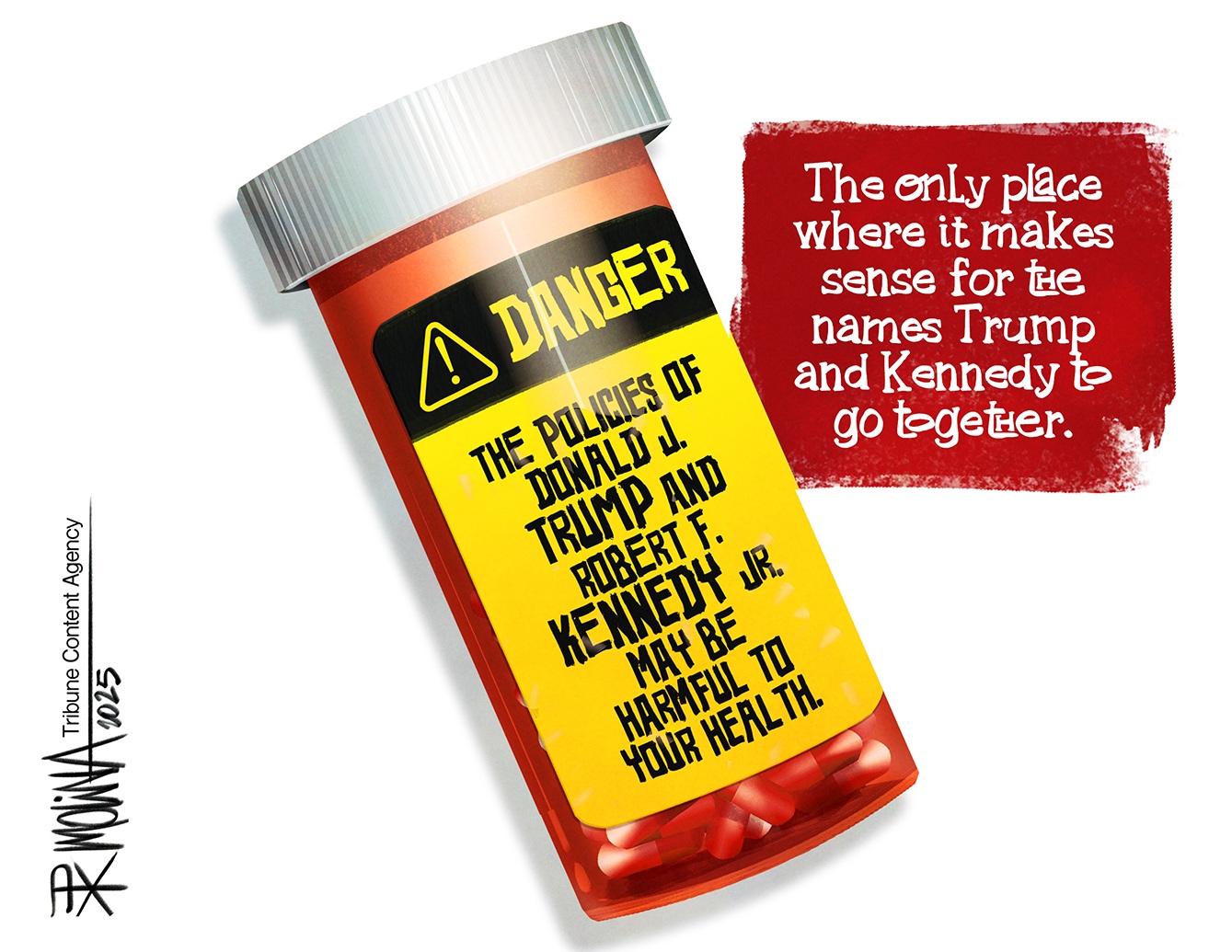
Robert F. Kennedy Jr. has made significant changes during his first year as Secretary of the Department of Health and Human Services (HHS), leaving U.S. public health in a precarious state. Since assuming office in February 2024, Kennedy has faced criticism for failing to uphold his promises to improve public health and restore trust in health agencies. A recent survey by the Kaiser Family Foundation (KFF) indicates that less than half of Americans now have confidence in these agencies’ ability to make science-backed decisions.
Kennedy’s most controversial actions have centered on vaccines. In June 2024, he dismissed the advisory panel of the Centers for Disease Control and Prevention (CDC) responsible for vaccine recommendations, replacing it with individuals known for their skepticism and dissemination of misinformation. He subsequently fired CDC Director Susan Monarez after she refused to comply with his demand to eliminate career staff and approve his chosen advisory panel’s recommendations. This series of actions has led to significant alterations in the childhood vaccine schedule, raising alarms within the public health community.
Exodus of Expertise and Funding Challenges
The reshaping of HHS under Kennedy’s leadership has resulted in a dramatic loss of expertise across multiple agencies. An analysis by *Science* revealed that nearly 2,400 Ph.D.s left key health agencies last year, a figure that is two to three times higher than in 2023. The National Institutes of Health (NIH), a cornerstone of federal research, currently has over half of its 27 institutes without directors, further complicating the agency’s ability to function effectively.
Financially, the impact of Kennedy’s actions has been severe. Researchers funded by the NIH and the National Science Foundation have collectively lost approximately $1.4 billion in funding due to abrupt grant terminations, although some have been reinstated through court rulings. New grant awards from the NIH to academic labs dropped by around 24% in 2025, a trend that could significantly hinder future medical discoveries in the U.S.
The Food and Drug Administration (FDA) has also experienced turmoil under Kennedy’s watch. Last year, five different individuals served as the director of the Center for Drug Evaluation and Research, the division responsible for overseeing new drug approvals. This instability arose amid controversy surrounding a new voucher program introduced by FDA Director Marty Makary, which some have criticized as politically motivated rather than focused on patient welfare.
Challenges Facing the CDC and Public Trust
In addition to the vaccine-related upheaval, core functions of the CDC have been compromised. A recent analysis published in the *Annals of Internal Medicine* found that much of the agency’s traditional data is being published late or not at all. In the past year, the CDC has issued significantly fewer health alerts compared to typical years, leaving local health departments without crucial information about potential health threats.
The leadership vacuum at the CDC has deepened following the ousting of HHS Deputy Secretary Jim O’Neill, who briefly served as interim director after Monarez’s dismissal. The combination of staff departures and diminished agency output has led to concerns over the long-term viability of the CDC’s operations and its ability to effectively respond to public health crises.
Kennedy’s actions have not only affected the CDC’s structure but have also eroded public trust in health expertise. Throughout the year, he has repeatedly challenged the credibility of the scientists and medical professionals within his department, encouraging the public to “do your own research.” This rhetoric has further weakened confidence in established medical guidance.
As states and medical associations begin to establish their own public health initiatives to fill the gaps left by the CDC, it remains uncertain how these alternative structures will evolve. Initially seen as temporary solutions, these collaborations may need to develop into more robust entities that can provide consistent, evidence-based information and support local health needs.
Looking ahead, Kennedy’s agenda appears to focus on vaccines, with plans to overhaul the National Vaccine Injury Compensation Program. His recent decision to remove half of the panel that determines compensation for vaccine-related injuries has raised concerns. If he appoints members inclined to expand the list of compensable injuries to include those not supported by scientific evidence, it could jeopardize the fund’s sustainability and discourage vaccine manufacturers from continuing their work.
While some observers hope Kennedy will pivot towards more politically favorable issues, such as healthy food initiatives, his past actions have left many skeptical about his commitment to evidence-based practices. His recent revisions to the food pyramid have drawn criticism for placing undue emphasis on red meat and saturated fats, which undermines previous nutritional guidelines.
As Kennedy marks one year in office, the legacy of his tenure will be closely scrutinized. The repercussions of his policies are becoming increasingly evident, with the potential for long-lasting damage to public health in the United States. The challenges facing the HHS and its agencies suggest that the implications of his leadership will resonate for years to come.