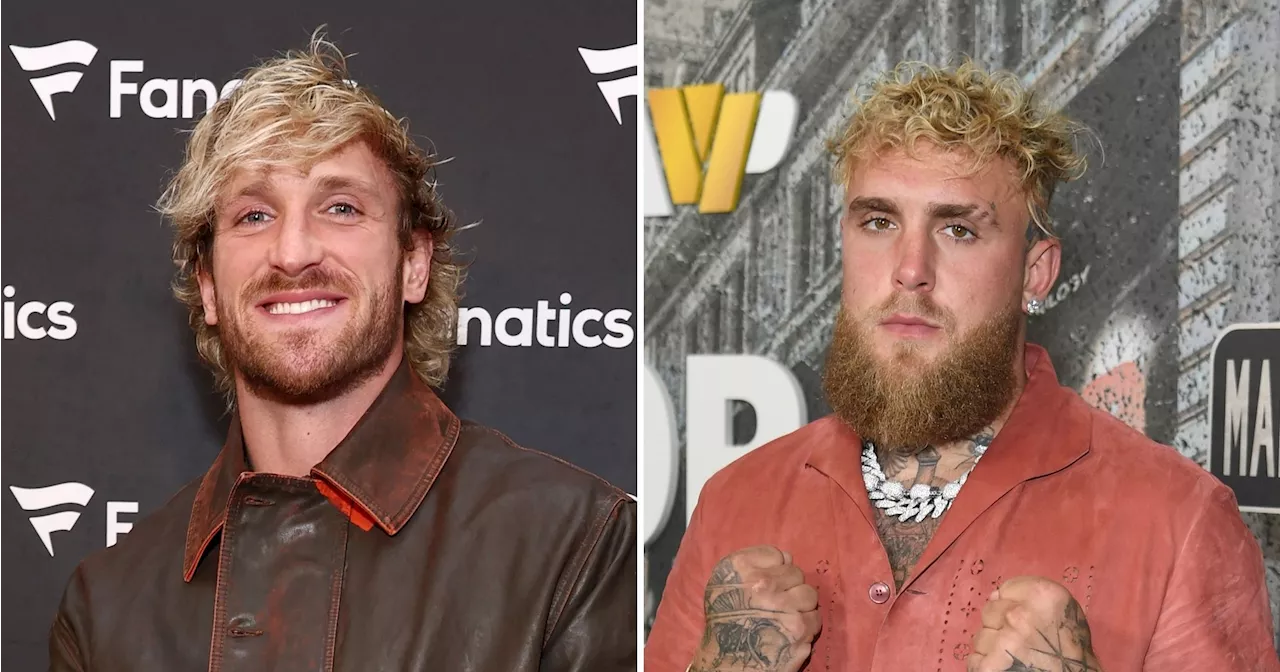
Logan Paul publicly defended musician Bad Bunny after his brother, Jake Paul, declared he would not watch the Super Bowl LX halftime performance. This exchange unfolded on social media following Jake’s comments about the event, which took place on February 12, 2023.
In a series of posts, Logan voiced his support for Bad Bunny, emphasizing the artist’s significant contributions to music and culture. Logan stated that Bad Bunny had made history as the first non-English-speaking performer to headline the Super Bowl halftime show, a milestone he believes should be celebrated rather than dismissed.
Jake Paul, known for his boxing career and social media presence, criticized the performance, suggesting it did not resonate with his personal taste. His remarks sparked a wave of backlash from fans and followers who felt his comments undermined the achievements of artists like Bad Bunny.
Logan’s defense included a pointed message on social media, where he highlighted the importance of supporting diverse artists in mainstream events. He argued that the Super Bowl stage represents a unique opportunity for cultural celebration, and dismissing it only serves to marginalize those who are breaking new ground in the industry.
The conversation reflects ongoing debates about representation in entertainment, especially within major platforms like the Super Bowl. Bad Bunny’s performance drew attention not only for its entertainment value but also for its broader cultural significance, marking a shift towards inclusivity in an arena that has historically favored English-speaking artists.
As the fallout from this family exchange continues, fans are engaging in discussions about the role of artists in challenging cultural norms. Logan Paul’s vocal support of Bad Bunny could be seen as part of a larger trend where artists and influencers are using their platforms to advocate for change and recognition of diverse talent.
This incident underscores the evolving landscape of entertainment, where musicians are increasingly recognized for their contributions across language barriers. The implications of this exchange reach beyond the Paul brothers, touching on critical discussions about identity, representation, and the power of music to unite different cultures.
As the entertainment industry progresses, the responses from both Logan and Jake Paul highlight the complexities of public discourse surrounding art and personal preference. The ongoing dialogue about Bad Bunny’s historic performance continues to resonate with audiences, inviting reflection on how cultural milestones are perceived and celebrated in today’s society.