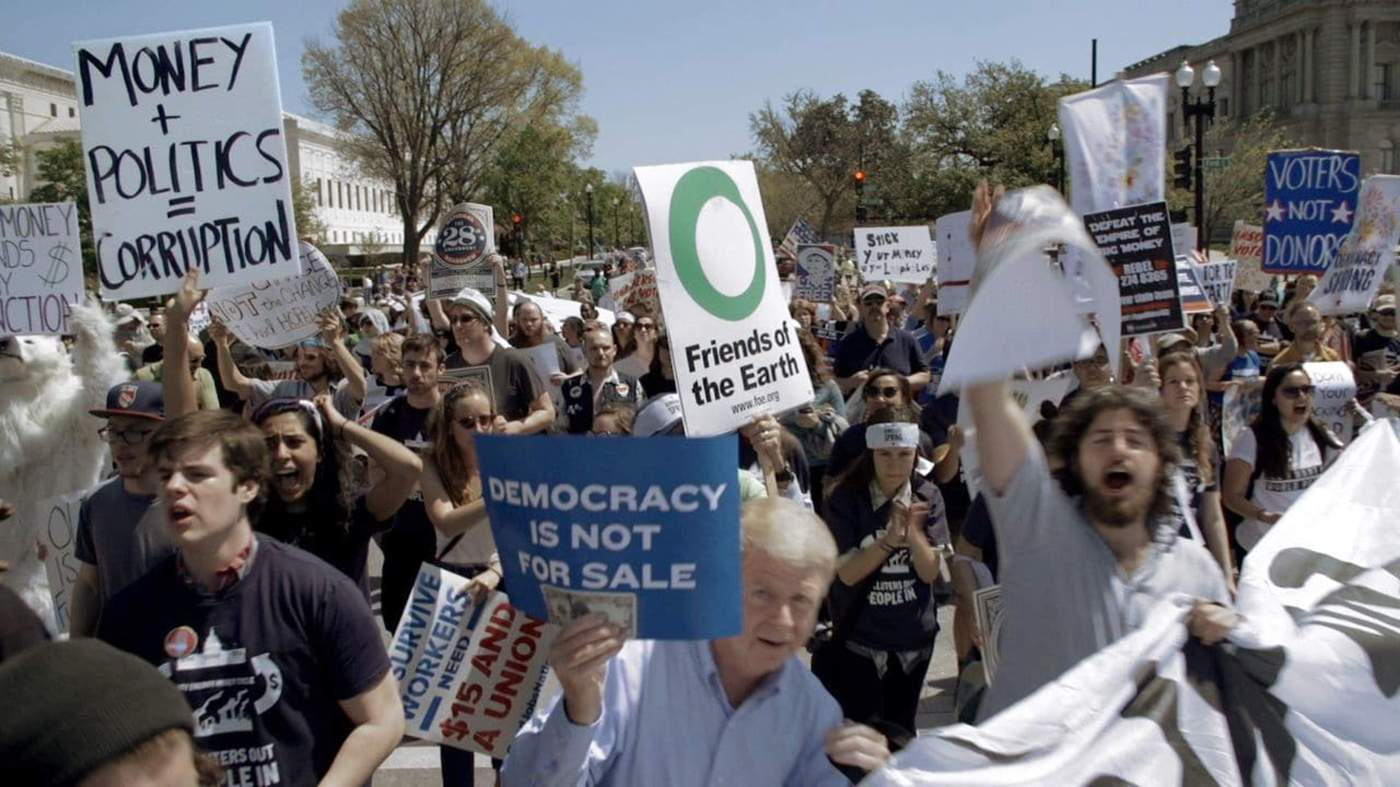
Recent discussions surrounding the influence of money in U.S. politics have reignited calls for reform, particularly in light of a report from OpenSecrets. The report highlights that in 2024, candidates for the U.S. Senate raised only 27.5% of their itemized donations from within their home states, while House candidates received merely 17.5% from in-state donors. As the 2026 midterm elections approach, concerns are mounting that these figures could decline further, reflecting a growing disconnect between elected officials and their constituents.
The discourse is underscored by the 50th anniversary of the landmark Supreme Court case Buckley v. Valeo, which established the current framework of unregulated and unlimited political spending. Critics argue that this has created an electoral landscape dominated by wealthy donors and obscure funding sources, often alienating everyday citizens from the political process.
Calls for Constitutional Amendment
Advocates for change believe that a constitutional amendment could restore Congress’s authority to regulate campaign financing, thereby enhancing the integrity of elections. Citizens are encouraged to engage with their legislators, particularly in Pennsylvania, to support measures that aim to return control of the electoral system to the populace.
Dan Shephard of Palmer Township emphasized the importance of preserving self-governance in his letter, urging fellow citizens to demand legislative support for an amendment that prioritizes the principles of democracy.
Local Governance and Security Concerns
In another letter, Lehigh County Executive Josh Siegel defended the decision to remove a Department of Homeland Security (DHS) office from local property. Critics argue that this office has played a crucial role in assisting local law enforcement to combat drug and sex trafficking. The potential consequences of its removal could lead to increased crime rates in the area, according to local residents like Samuel F. Nuttall Jr. from Bethlehem.
The debate extends to broader societal issues, such as the role of law enforcement transparency. Robert K. McFadden from Upper Macungie Township called for legislation to prohibit law enforcement agents from concealing their identities, citing concerns about accountability and due process.
Historical Parallels and Public Sentiment
As political tensions rise, some observers draw parallels between the current administration and historical figures like King George III. Mark Anderson from Longswamp Township referenced Thomas Jefferson‘s criticisms of British governance, suggesting that similar grievances apply to the leadership of Donald Trump. This sentiment reflects a growing discontent regarding perceived corruption and the erosion of democratic principles.
The public’s frustration is not limited to political figures; it extends to the media as well. David Schaffer from North Whitehall Township criticized meteorologists for their reporting, claiming that they misuse language and numbers when discussing weather patterns. His observations raise questions about the standards of accuracy and clarity in public communications.
As these discussions unfold, they highlight the intricate relationship between money, governance, and public perception in the United States. The push for reform and accountability continues to resonate, suggesting a collective desire for a political system that is more responsive to the needs of its citizens.