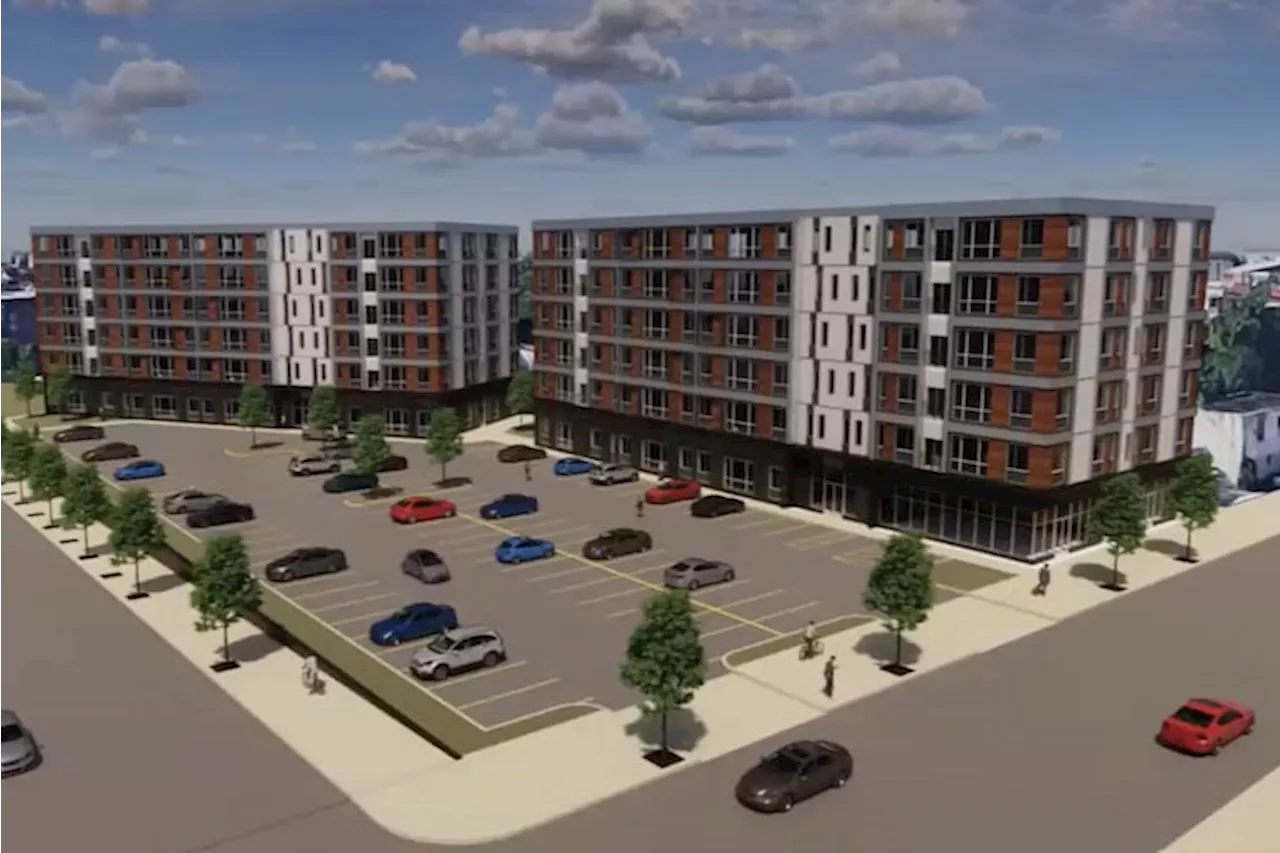
A significant ruling has brought a planned **104-unit affordable housing development** in Cedar Park, Philadelphia, closer to reality. On **October 25, 2023**, Common Pleas Judge **Idee Fox** dismissed a lawsuit filed by local resident **Melissa Johanningsmeier**, who sought to challenge a zoning change that was essential for the project to move forward.
The development, proposed in **2020** by **New York-based developer Omni**, aims to transform a vacant junkyard into much-needed affordable housing. The judge’s decision allows for the construction of two buildings with a maximum height of seven stories on a triangular parcel situated on **Warrington Avenue**. This ruling is seen as a pivotal step forward after nearly six years of planning and community discussions.
Johanningsmeier argued that the project would disrupt the neighborhood’s character, claiming it was inconsistent with the city’s efforts to preserve single-family homes in Cedar Park. She expressed concerns about increased traffic, loss of green space, and potential parking issues. During the two-day trial, she reported that many residents shared her discontent, though Judge Fox noted that her attorney failed to present substantial evidence or witness testimony to support these claims.
In her ruling, Judge Fox emphasized that the court’s role was not to assess the merits of the project but to determine the legality of the zoning adjustments. “If the community is unhappy with what’s being done, they have the right to express their concerns to the Councilwoman at the ballot box,” Fox stated.
The zoning change was necessary for Omni’s proposal, which includes plans for a **100-space surface parking lot** in front of the buildings. This compromise was reached to mitigate concerns regarding the shadow cast by the new structures on adjacent homes. While many local residents supported the project during the zoning board hearings, Johanningsmeier remained a vocal opponent, taking her objections to the Common Pleas Court.
Her legal team contended that the zoning change constituted **spot zoning**, arguing that the area primarily consists of single-family homes and duplexes. **Edward Hayes**, the attorney representing Johanningsmeier, insisted that the large multi-family buildings would not align with the neighborhood’s existing character. He expressed that, while affordable housing is an important issue, it should not come at the expense of community integrity.
Conversely, **Evan Lechtman**, representing Omni, argued that the project would address the urgent need for affordable housing in an area that has seen increasing rental prices. He pointed out that existing buildings of similar height are located nearby, across the railroad tracks. “We are transforming a blighted, dilapidated junkyard into affordable housing,” Lechtman said.
Housing advocates have highlighted the prolonged nature of this project as indicative of broader challenges facing affordable housing initiatives. Activists note that determined opposition from even a single individual can lead to substantial delays and increased costs. **Will Tung**, a local resident and volunteer with **5th Square**, criticized the impact of prolonged legal battles, stating, “It’s a travesty that one deep-pocketed opponent has been able to block access to housing for over **100 families** in my neighborhood for years.”
As the legal obstacles diminish, the community looks forward to the potential benefits of the development. Supporters cite the importance of creating accessible housing options and fostering inclusive neighborhoods where lower-income families can thrive. With the court’s ruling now in place, the path forward for the **Cedar Park affordable housing project** appears clearer, potentially marking a new chapter for this long-awaited initiative.