A group of Democratic lawmakers is facing criticism for urging members of the U.S. military to disregard orders they deem unlawful. This call to action has drawn parallels to historical political factions that aimed to undermine military discipline during the Civil War. The current situation echoes the actions of the “Copperheads,” a faction within the Democratic Party that President Abraham Lincoln confronted in the 1860s.
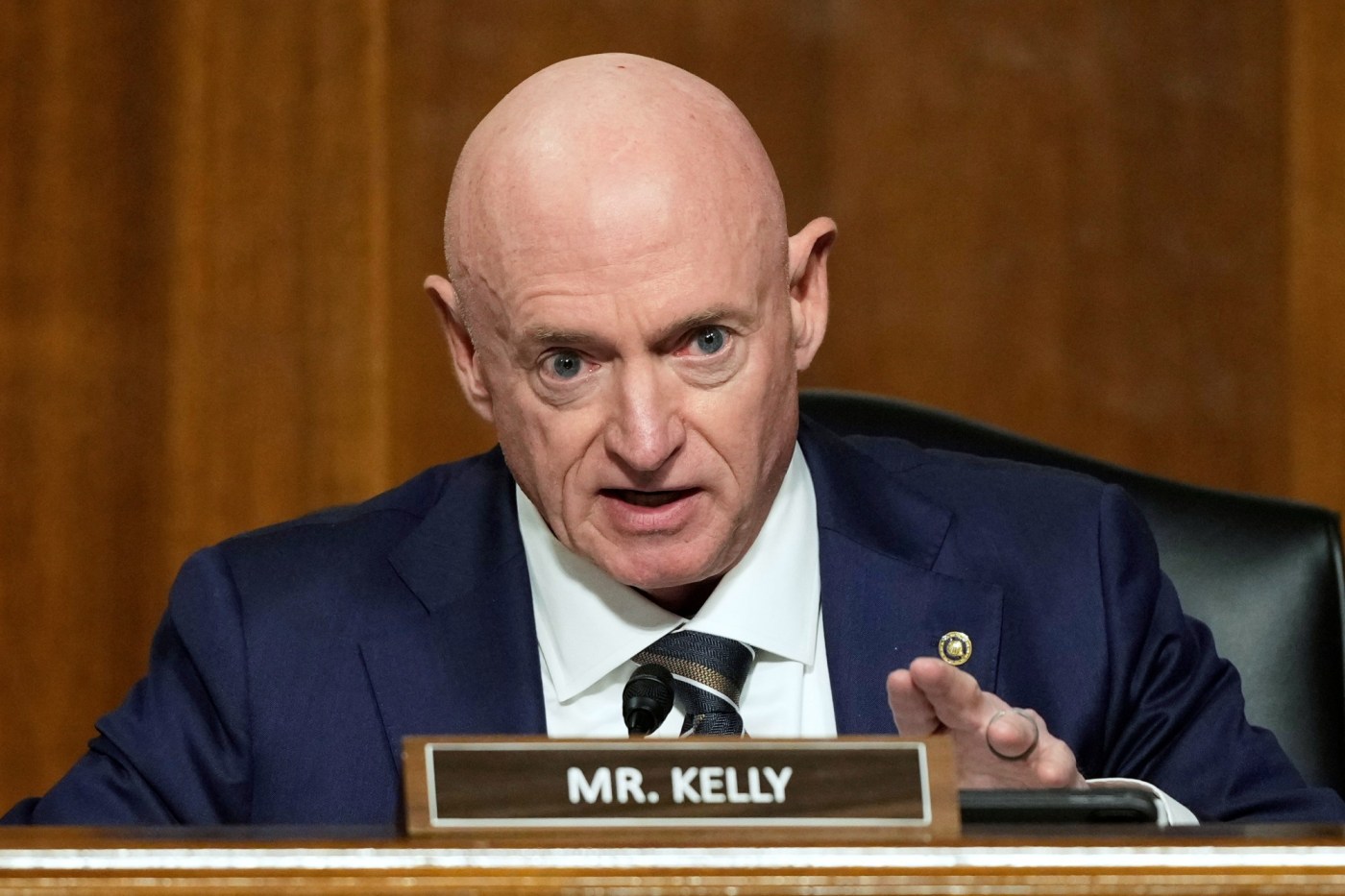
Senators Elissa Slotkin of Michigan and Mark Kelly of Arizona, along with four House representatives, publicly encouraged service members to evaluate orders based on their legality. This statement has raised concerns about the implications of a politicized military, with critics arguing that it undermines the essential chain of command. The lawmakers did not specify which orders they were referring to, leaving many to speculate on the potential consequences.
In referencing the historical context, President Lincoln famously questioned the morality of punishing a soldier for desertion while allowing those who incite dissent to go unscathed. The Copperheads actively worked to destabilize Union efforts during the Civil War, fostering discontent among soldiers. A review of Jennifer Weber’s book, “Copperheads: The Rise and Fall of Lincoln’s Opponents in the North,” highlights how these political actions significantly hindered military operations. According to Mackubin T. Owens, who reviewed the book in 2007, the Copperheads’ efforts to encourage desertion forced the Union to divert resources away from the battlefield to combat their influence.
The inflammatory rhetoric used by Copperhead politicians in Lincoln’s time mirrors that of some contemporary figures. Prominent Copperhead newspaper editor Marcus M. “Brick” Pomeroy referred to Lincoln as a tyrant, a sentiment that resonates with certain modern critiques of political leaders. The current Democratic representatives, by calling for military dissent, are seen by some as echoing the divisive tactics of their historical counterparts.
Historian Weber notes that many Union soldiers harbored greater disdain for Copperheads than for Confederate troops. A letter from a group of Indiana soldiers exemplifies this sentiment, declaring anyone who supported Copperhead ideals a “cowardly traitor.” This historical context serves as a warning for today’s politicians, suggesting that undermining military authority could backfire politically.
As the current political landscape becomes increasingly polarized, the actions of these lawmakers raise critical questions about loyalty and governance. The focus on dissent within the military not only poses risks to national security but may also jeopardize the political futures of those advocating for it. The historical lessons of the Copperheads serve as a reminder that political maneuvering can have dire consequences.
In a broader context, the article reflects on President Lincoln’s legacy, particularly his establishment of Thanksgiving as a national holiday in 1863. During a tumultuous period, Lincoln called for prayer and reflection, urging the nation to recognize its blessings and the importance of unity. He emphasized the need for humility and gratitude, which stands in contrast to the current political climate.
As the nation approaches Thanksgiving, the hope is for a collective recognition of genuine leadership that prioritizes the country’s interests over partisan agendas. In a time of division, Americans are encouraged to discern between those who seek to serve the public good and those who may exploit their positions for personal or political gain.
In navigating this complex landscape, it is vital for citizens to remain informed and engaged, ensuring that the lessons of history are not forgotten. A thoughtful approach to political discourse can help foster a more united and resilient society.