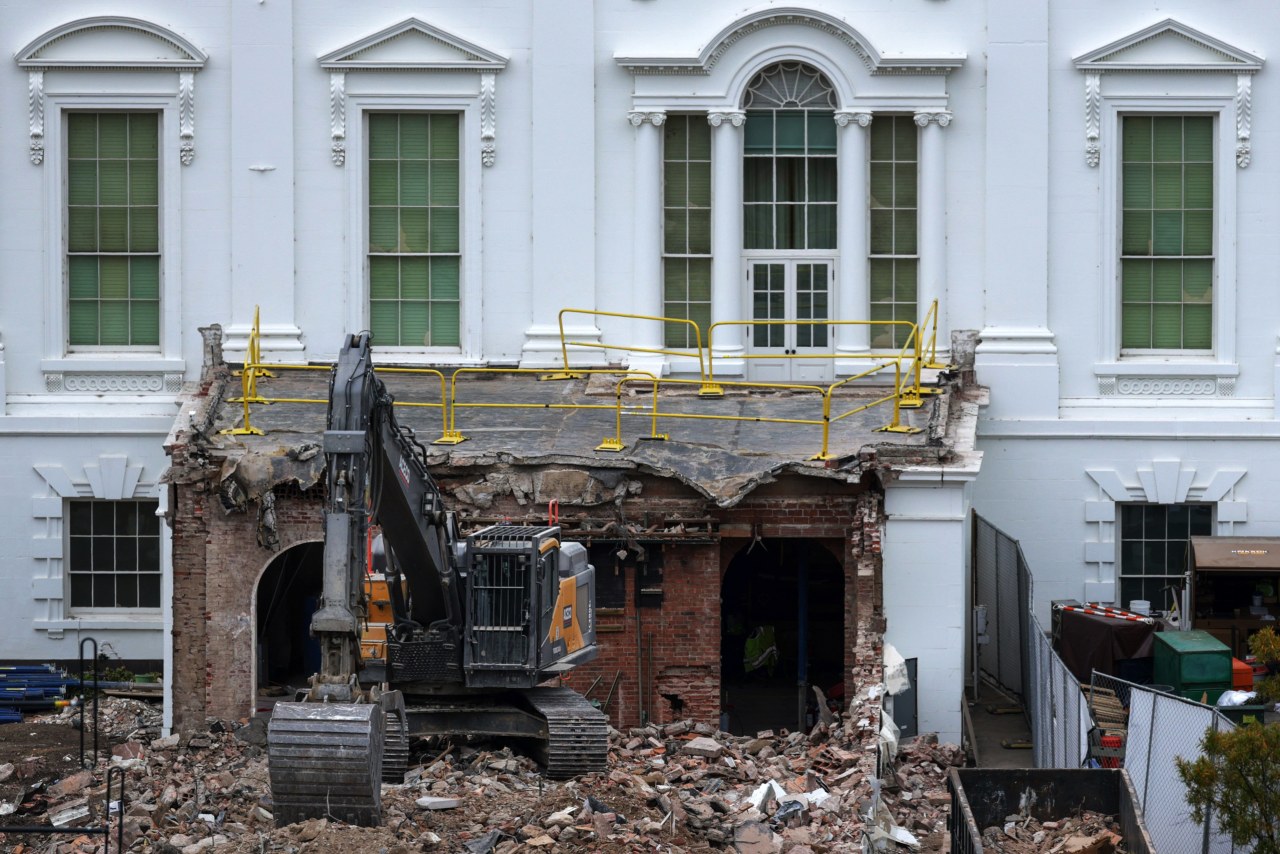
A historical preservation organization has initiated legal action against President Donald Trump regarding his proposal to demolish the East Wing of the White House. The plan aims to replace the existing structure with a large ballroom, a project that has sparked significant controversy among conservationists.
The National Trust for Historic Preservation filed the lawsuit on March 1, 2024, seeking a court order to suspend all work related to the demolition. The organization argues that the project should undergo a thorough federal review to assess its potential impact on the historical integrity of the White House.
According to the National Trust, the East Wing is not just an architectural feature but a vital part of the nation’s history. The group contends that the proposed changes could erase significant aspects of the building’s historical value. They emphasize the importance of preserving the White House as a symbol of American heritage.
In their complaint, the National Trust points out that the East Wing has served various functions over the decades, including hosting official events and serving as a space for administrative offices. The lawsuit highlights the need for a careful review process to ensure that any alterations to the White House do not compromise its historical significance.
The White House has yet to respond formally to the lawsuit. However, the administration has previously expressed a commitment to modernizing the premises, asserting that the proposed ballroom would enhance the venue’s capabilities for hosting important events.
As the legal proceedings unfold, the case raises broader questions about the balance between modernization and historic preservation. Advocates for preservation argue that such actions could set a precedent for future projects involving historic sites across the United States.
In the past, the National Trust has successfully advocated for the protection of numerous historically significant sites. Their involvement in this case underscores the increasing scrutiny that renovations of iconic structures face, especially when they involve potential alterations to their original designs.
The outcome of this lawsuit may have lasting implications for the White House and similar historic sites nationwide. As the judicial process moves forward, both sides will likely present detailed arguments regarding the necessity and impact of the proposed changes to the East Wing.
With the legal landscape shifting and public opinion closely monitoring the developments, the case serves as a reminder of the ongoing tensions between progress and preservation in the realm of American architecture and history.