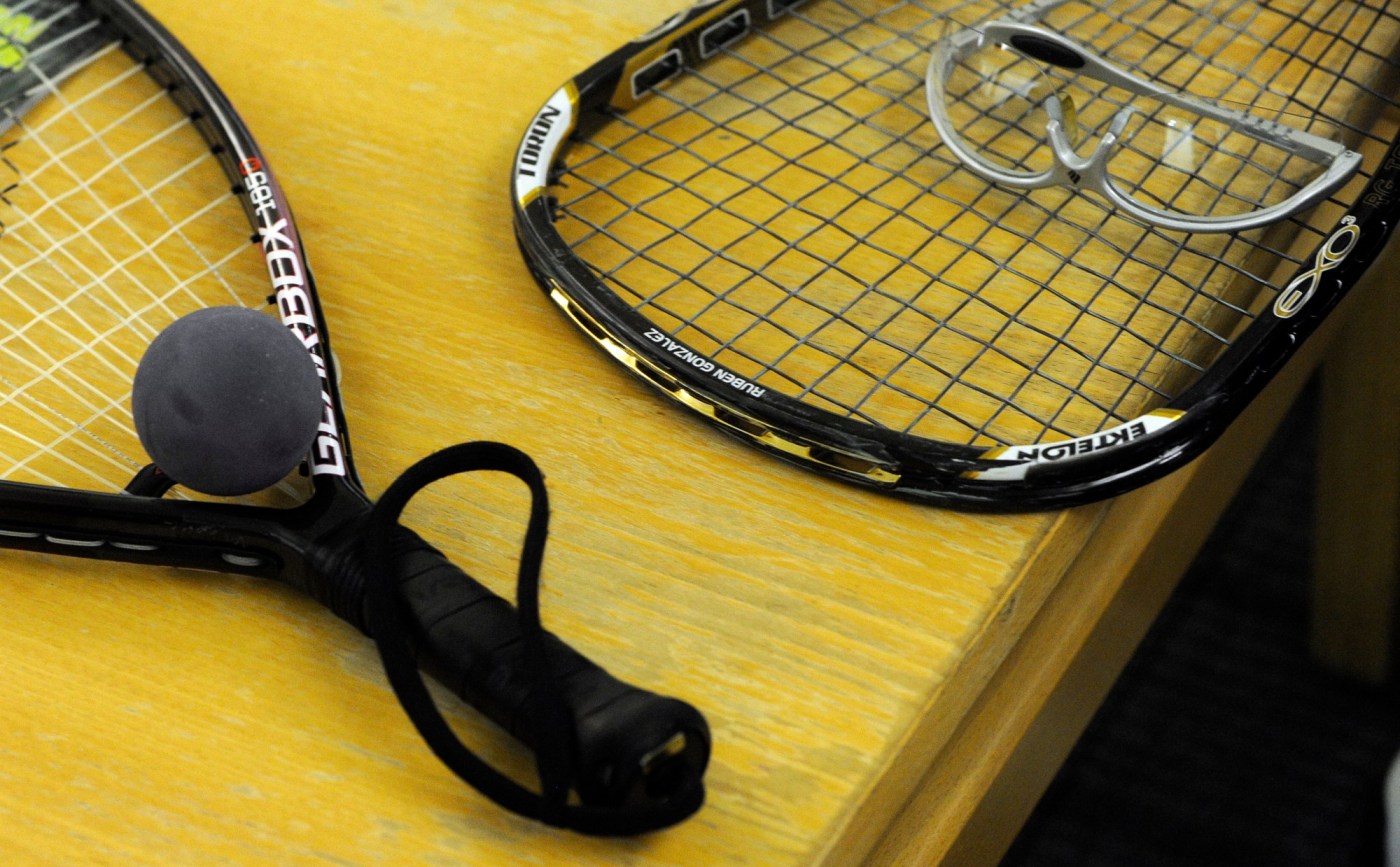
Young athletes participating in racket sports such as tennis, pickleball, and squash face significant risks of eye injuries, particularly if they wear glasses. These injuries, which can lead to permanent vision loss, are often preventable with the right protective gear. A growing concern among parents and coaches is the lack of awareness regarding specialized sports eyewear, leaving many young players vulnerable during games.
In Allentown, between 2015 and 2025, youth athletes aged 10-18 have demonstrated a high risk of ocular injuries related to racket sports. A report from the *American Academy of Ophthalmology* underscores the importance of proper eye protection, revealing that many parents mistakenly believe standard prescription glasses offer adequate safety. In reality, these glasses can shatter upon impact, posing an even greater threat to the eyes.
Research shows that the speed of the balls used in youth racket sports, combined with developing coordination skills, increases the likelihood of eye injuries. According to a review published in *Clinics in Sports Medicine*, racket sports account for a substantial portion of sports-related eye injuries in the United States. The review highlights that a staggering 93% of these injuries occurred when athletes were not wearing protective eyewear.
Pickleball, which has surged in popularity among young players, presents serious risks as well. A study in *JAMA Ophthalmology* reported an estimated 3,112 pickleball-related ocular injuries between 2005 and 2024, with 1,262 occurring in 2024 alone. Tennis also contributes significantly to this issue. From 2000 to 2019, there were about 16,000 emergency department visits for tennis-related eye injuries, predominantly involving boys aged 11-15.
To effectively protect youth athletes, it is imperative that no child steps onto a court without appropriate eyewear. The American Academy of Ophthalmology now recommends that players in racket sports adhere to the *American Society for Testing and Materials* (ASTM) F3164 guidelines. These guidelines specify that protective sports glasses should absorb impact and meet ASTM safety standards, utilizing materials such as polycarbonate, known for its exceptional strength—approximately 150 times stronger than standard lenses.
Experts emphasize additional features to enhance safety, including impact-resistant lenses, wraparound frames for better peripheral coverage, and antifog capabilities. Parents are encouraged to select ASTM-certified sports glasses specifically designed for racket sports and to engage their children in discussions about the importance of wearing these protective items.
Coaches and athletic staff should prioritize eye safety, encouraging athletes to wear sports glasses during all practices, drills, and games. Leading by example can help cultivate a culture of safety within teams. Racket sports facilities and programs should also adopt these practices, promoting awareness during youth clinics, tournaments, and open-court play.
To effectively raise awareness, a community outreach campaign utilizing social media and posters can engage young athletes and their parents. Platforms such as Instagram, TikTok, and X can serve as vital tools to convey urgent messages about eye safety. By distributing educational materials at local tennis, pickleball, and racquetball facilities, stakeholders can collectively set a standard for protective eyewear in youth racket sports.
By working together—families, coaches, leagues, schools, and health professionals—the community can ensure that ASTM-certified protective eyewear becomes the norm. This effort will help guarantee that every child who steps onto a court leaves with their vision intact.
This opinion column was contributed by Casey T. Knipe, a student at Muhlenberg College. The views expressed herein are those of the author and do not necessarily reflect the stance of this publication.