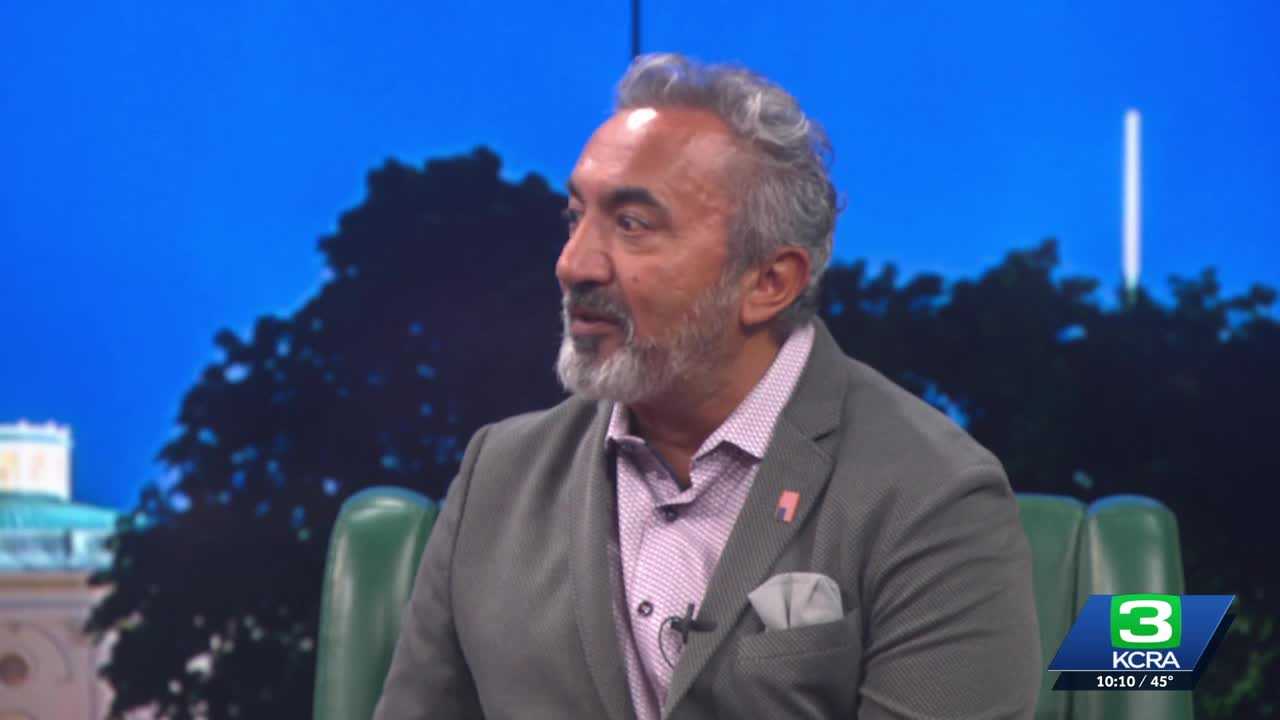
As Congress reconvenes following its recess, Congressman Ami Bera of Sacramento has reported that Republican lawmakers are increasingly anxious about President Donald Trump’s recent decisions. Bera stated, “I think they are very worried about what they’re seeing coming out of the President,” highlighting a lack of consultation on significant matters, including actions related to Venezuela.
Bera, a member of the House Foreign Affairs and Intelligence Committees, returned on Sunday from a trip to South America where he engaged with Peru’s foreign minister. He revealed that he deemed it too risky to visit Venezuela, a country he described as fragile following U.S. military actions that resulted in the ousting of President Nicolás Maduro. “They’re happy Maduro is gone,” Bera noted of Peruvian officials, adding that there remains a cautious desire for a stable Venezuela. He warned that ongoing instability could heighten the risk of increased migration into neighboring countries.
Back in Washington, Congress is faced with the prospect of a government shutdown at the end of the month. Bera emphasized the need to resolve outstanding issues, such as healthcare subsidies and immigration policy, particularly following recent events in Minneapolis. He pointed out that President Trump’s controversial comments about acquiring Greenland for national security purposes have further alienated U.S. allies in Europe. “President Trump is not listening to anyone,” Bera remarked, expressing hope that Republicans would recognize the urgency to bypass the president’s decisions to advance critical legislation.
Despite the looming challenges, Bera maintains a sense of optimism regarding the potential for avoiding a government shutdown. “I do not think the government will shut down because we saw how it hurt Americans,” he stated. He stressed the importance of negotiation and compromise, acknowledging that Democrats would not secure all their demands but emphasizing the need for bipartisan cooperation.
Bera highlighted a notable instance of this bipartisanship, citing support for extending healthcare subsidies, which saw the backing of 17 Republicans joining Democrats, despite opposition from President Trump. As Congress heads back into session, the path forward remains uncertain, yet Bera’s insights reflect a growing urgency within the Republican ranks to address the implications of the President’s actions.