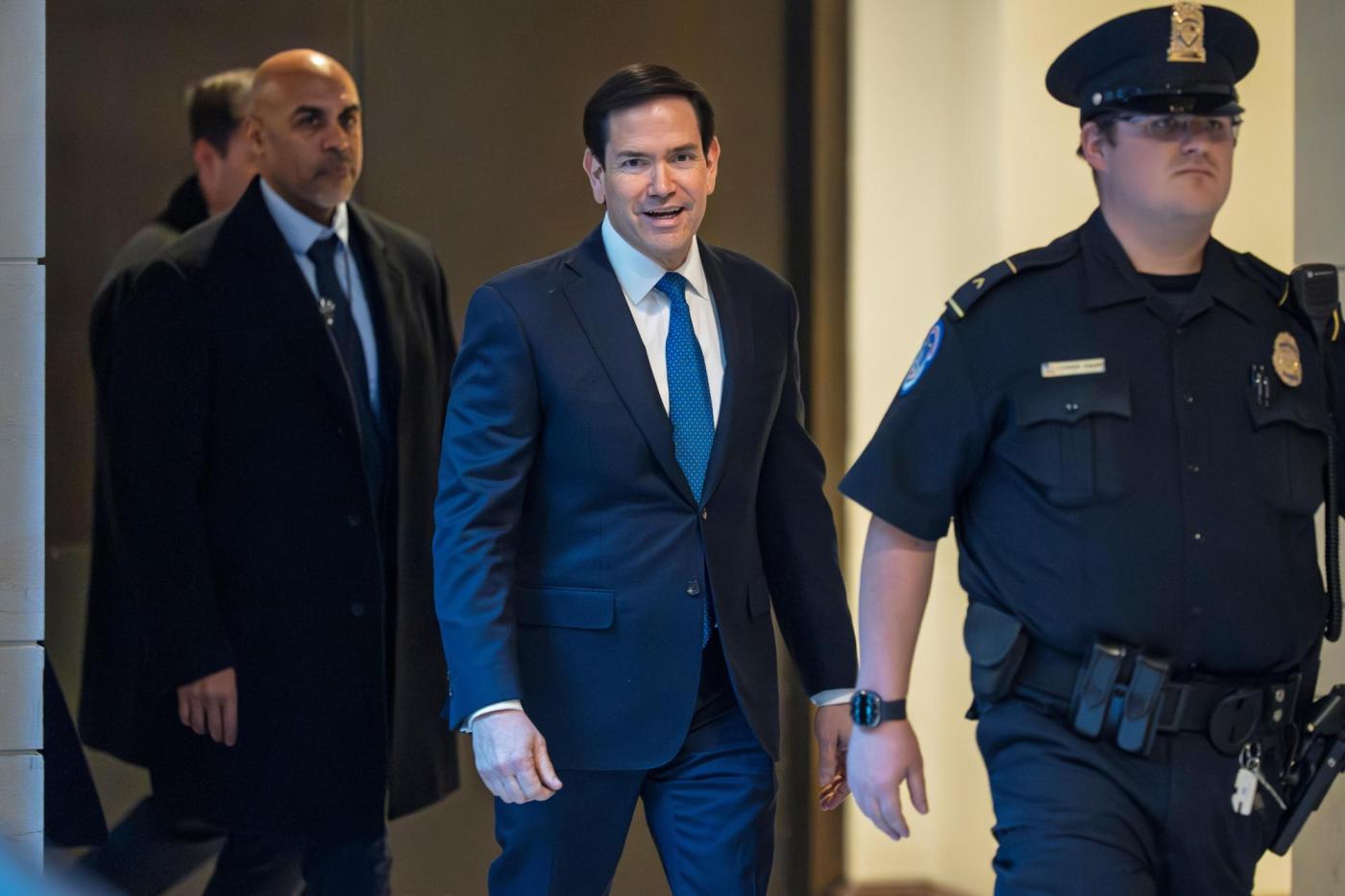
Secretary of State Marco Rubio has mandated that all U.S. diplomatic correspondence revert to the traditional Times New Roman font, effective immediately. This decision, announced on Wednesday, rescinds a prior change made during the Biden administration that allowed the use of the Calibri font, which Rubio criticized as wasteful and inappropriate for official documents.
In a cable distributed to all U.S. embassies and consulates, Rubio stated the return to Times New Roman aligns with the formality expected in government communication. He described the previous shift to Calibri, which took place in January 2023, as a misguided effort stemming from diversity, equity, and inclusion (DEI) policies instituted by former Secretary of State Antony Blinken. According to Rubio, the Calibri font did not fulfill its intended purpose of improving accessibility for individuals with disabilities, and he claimed it had resulted in an unnecessary cost of approximately $145,000.
Rubio Dismantles DEI Initiatives
Since assuming office, Rubio has actively dismantled various DEI programs within the State Department, in line with directives from President Donald Trump. This includes the elimination of offices and initiatives designed to enhance diversity and inclusion in both domestic and international contexts. The Trump administration’s overarching objective is to reinforce merit-based standards across federal agencies.
In his communication, Rubio noted that while the font switch was not among the most significant missteps related to DEI, it was nonetheless superficial and detrimental. He stated, “Switching to Calibri achieved nothing except the degradation of the department’s correspondence.” Rubio emphasized that the use of Calibri clashed with the established State Department letterhead, further diminishing the professionalism of official communications.
The memo issued to department employees specifies that the transition back to Times New Roman should be completed immediately. All templates for official documents are required to reflect this change, with the notable exception of documents prepared for international treaties and presidential appointments, which must adhere to the Courier New 12-point font standard.
Rubio’s decision has prompted discussions about the role of typography in government communications, with some arguing that font choice can impact perceptions of cohesion and professionalism. As the State Department moves forward with this directive, it remains to be seen how this will affect diplomatic correspondence and the broader implications for DEI initiatives within federal agencies.