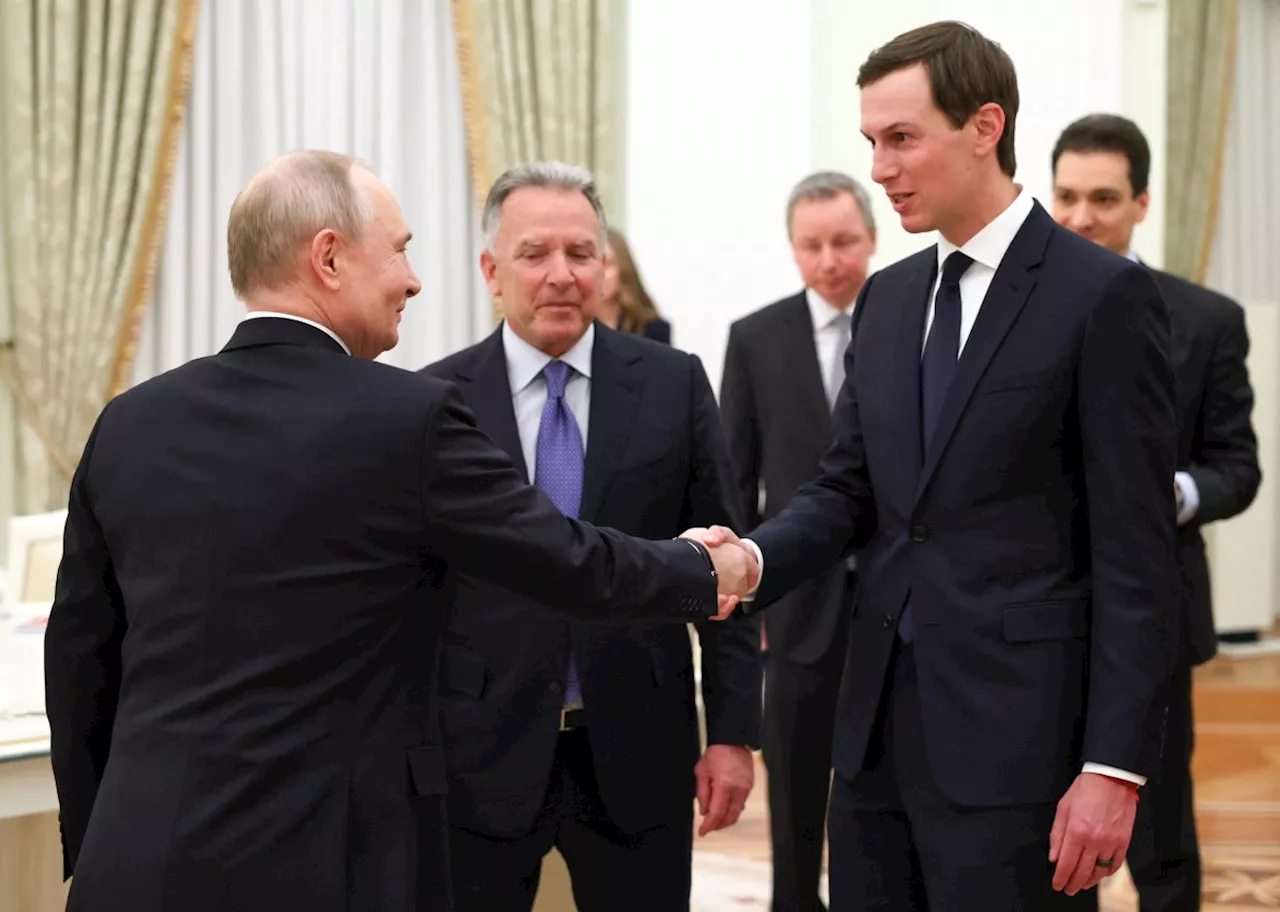
Following a significant meeting in Moscow, Russian President Vladimir Putin has reiterated that Russia’s military operations in Ukraine will persist until its objectives are fully met. This declaration was made following discussions with U.S. envoys Steve Witkoff and Jared Kushner, who are now en route to Abu Dhabi for further trilateral negotiations aimed at resolving the ongoing conflict.
Details of the Moscow Meeting
The meeting, which lasted approximately four hours, was characterized by its directness and depth. According to Yuri Ushakov, a key adviser to Putin, the talks were “exceptionally substantive and constructive.” He emphasized that both parties engaged in an “extremely frank” discussion, conducted in a spirit of trust. Ushakov stated that while Russia is committed to finding a diplomatic solution to the crisis, the military operation will continue until key territorial disputes are addressed.
The envoys’ visit to Moscow is part of a broader effort to facilitate a peace agreement as the conflict approaches its fourth anniversary. Witkoff expressed optimism after the talks, noting that the negotiations have narrowed down to a single, resolvable issue. This comment signals a potential shift towards a more optimistic outlook on the peace process.
Key Issues Ahead
Ushakov highlighted the necessity of resolving the territorial issues central to the conflict, reiterating that any hope for a long-term settlement hinges upon this agreement. He remarked, “Without resolving the territorial issue according to the formula agreed in Anchorage, one should not expect to achieve a long-term settlement.” This statement underscores the continuing complexities surrounding the negotiations and the importance both sides place on territorial integrity.
The next round of discussions in Abu Dhabi is set to take place on January 22, 2026, where representatives from the U.S., Russia, and Ukraine will meet to further explore pathways to peace. The outcomes of these negotiations could have significant implications for the region and for international relations.
As the diplomatic efforts unfold, many observers are watching closely to see if tangible progress can be made. The stakes are high, and the international community remains hopeful for a resolution that addresses both the humanitarian crisis and the geopolitical ramifications of the ongoing conflict.