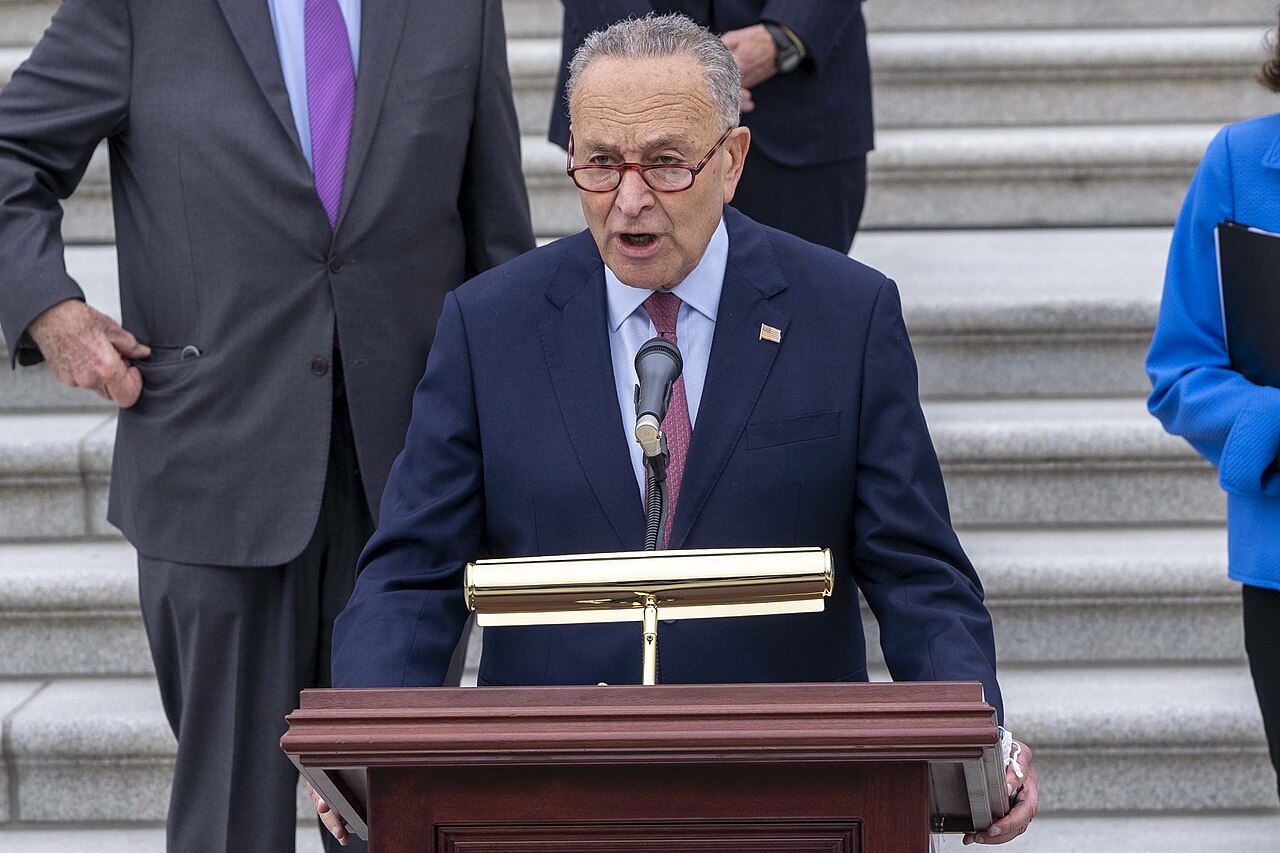
Senate Minority Leader Chuck Schumer has taken a strong stance against the U.S. Department of Justice (DOJ) after officials indicated they would not meet the legal deadline for releasing records related to Jeffrey Epstein. This announcement has sparked accusations that the DOJ is violating federal law by withholding crucial information.
On Friday, Deputy Attorney General Todd Blanche confirmed to Fox News that the DOJ plans to release “several hundred thousand documents” tied to Epstein and his associate Ghislaine Maxwell. However, he stated that a significant amount of material would not be available by the statutory deadline, with further releases expected over the coming weeks. Blanche emphasized that redactions are necessary to safeguard the privacy of Epstein’s survivors and to protect sensitive information.
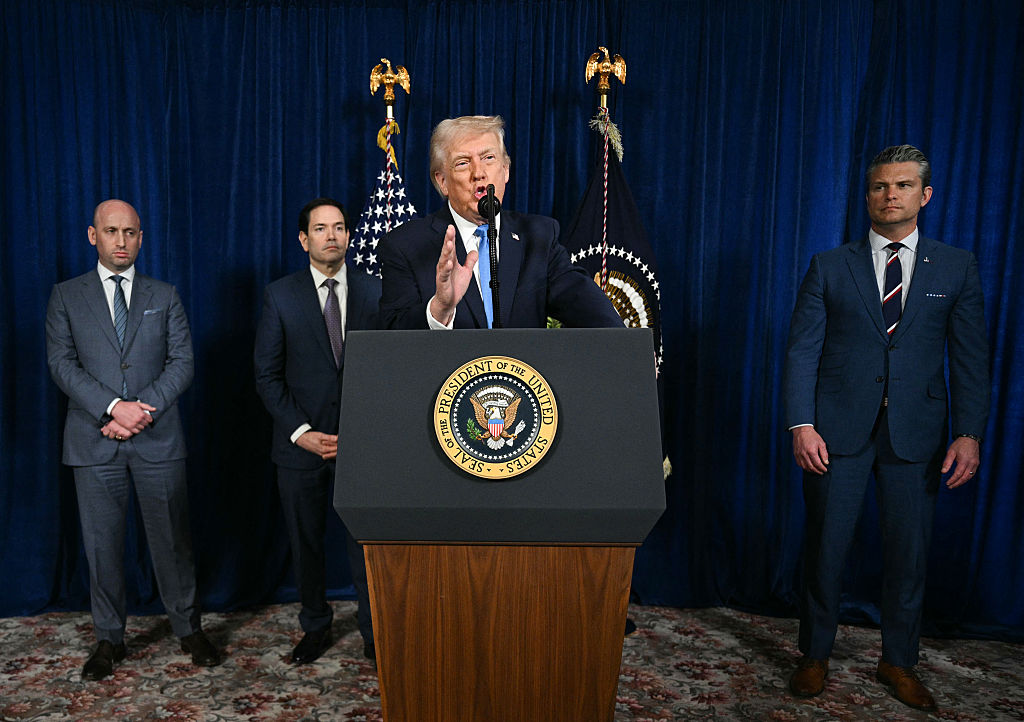
Schumer’s office quickly issued a statement condemning the DOJ’s approach, claiming it illustrates an intent to conceal the truth. The statement read, “This just shows the Department of Justice, Donald Trump, and Attorney General Pam Bondi are hellbent on hiding the truth.” Schumer indicated that Senate Democrats are collaborating with victim attorneys and legal experts to scrutinize the withheld documents and ensure that transparency prevails.
Bipartisan Concerns About Transparency
The criticism is not confined to Schumer alone. Representative Ro Khanna, a co-sponsor of the Transparency Act, voiced his frustration, stating that the DOJ must establish a “clear timeline” for the full release of all materials. He pointed out that the department has had months to prepare for this release and has dismissed opportunities to engage with survivors’ lawyers regarding the logistics.
The Epstein Files Transparency Act was passed with overwhelming bipartisan support in both chambers of Congress and signed into law by President Trump on November 19, 2025. This legislation mandates that the DOJ make all unclassified records, documents, communications, and investigative materials related to Epstein and Maxwell publicly available within 30 days of its enactment.
Consequences for Non-Compliance
Representative Thomas Massie, another co-sponsor of the act and a critical voice from within Trump’s party, warned that failure to produce the remaining files could lead to legal consequences. He highlighted the specific language of the law, which states, “Not later than 30 days after the date of enactment of the Act,” emphasizing the requirement to release “all” relevant documents.
As the deadline approaches, the public and lawmakers alike are closely monitoring the DOJ’s actions. The controversy surrounding the Epstein files underscores the ongoing demand for accountability and transparency in high-profile cases involving powerful individuals. The coming weeks will be crucial in determining whether the DOJ will adhere to the legal requirements set forth by Congress or face further scrutiny and potential backlash.