The U.S. Senate has rejected a War Powers Resolution aimed at limiting the president’s authority to engage in military action against Iran. On November 1, 2023, Senate Republicans blocked the Democratic initiative, which sought to require congressional consent before any further military strikes could be launched. This decision comes amidst escalating tensions and conflict in the Middle East, including recent reports from the Pentagon regarding the sinking of an Iranian warship.
The resolution failed to garner the necessary support, highlighting a significant divide between the two major parties on matters of military intervention. Democratic leaders argued that the measure was essential to ensure that any potential military actions in Iran would involve congressional oversight. As the situation in the region intensifies, many lawmakers are concerned about the implications of unilateral military decisions by the executive branch.
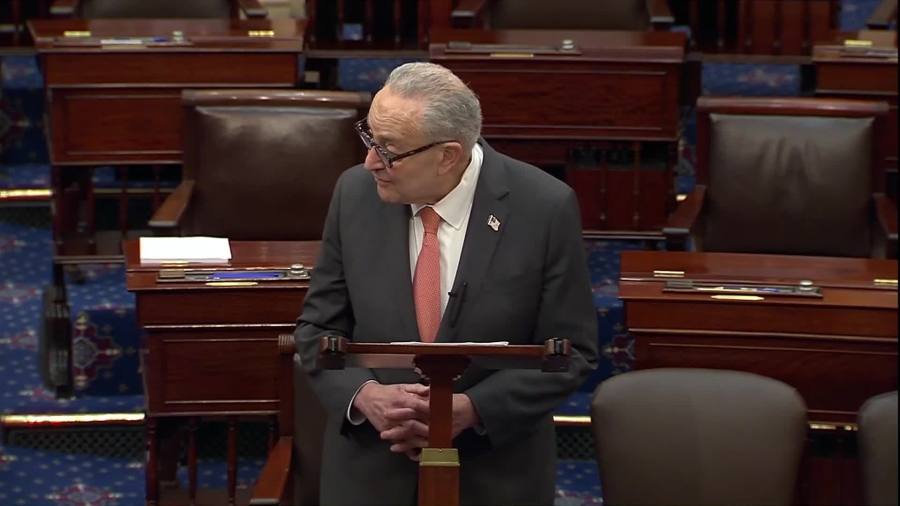
Senate Majority Leader Chuck Schumer expressed disappointment over the outcome, emphasizing the need for transparency and accountability in military engagements. “Congress must have a say in any decisions that could lead to war,” he stated. Schumer’s comments reflect a growing sentiment among some legislators who advocate for a more measured approach to foreign military involvement.
In contrast, Republican senators defended their stance, asserting that the president requires the flexibility to respond to threats swiftly. Senate Minority Leader Mitch McConnell argued that the resolution could hinder the United States’ ability to protect its interests abroad. “We must ensure our military can act decisively when necessary,” McConnell said following the vote.
As tensions rise, the situation in the Middle East remains precarious. The Pentagon’s report on the sinking of the Iranian warship adds urgency to the debate surrounding military engagement. With various factions involved in the ongoing conflict, lawmakers are faced with the challenge of balancing national security with the principles of democratic oversight.
The failed resolution is a reminder of the complex and often contentious relationship between Congress and the presidency regarding military action. Lawmakers continue to grapple with the implications of military decisions that can have far-reaching consequences, both domestically and internationally.
In the coming weeks, it is anticipated that discussions around military authority and foreign policy will intensify. As events unfold in the Middle East, the Senate’s decision may prompt further debates about the role of Congress in military engagements, particularly concerning Iran. With bipartisan support for re-evaluating the War Powers Act, this issue is likely to remain at the forefront of legislative discussions.