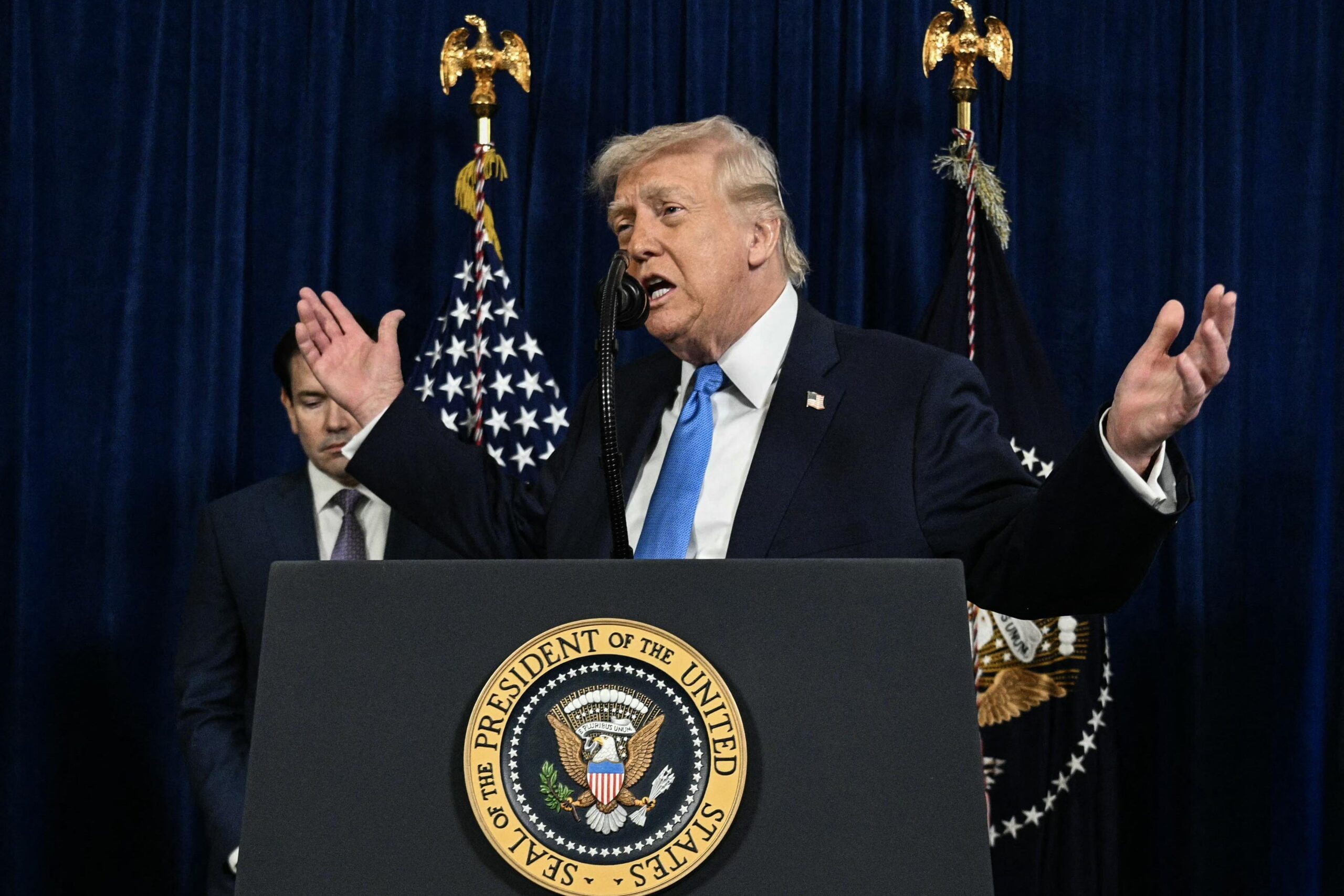
The Smithsonian’s National Portrait Gallery in Washington, D.C., has removed references to former President Donald Trump’s two impeachments from his photo portrait display. This alteration reflects ongoing tensions regarding how his presidency is officially documented.
The wall text that previously accompanied Trump’s portrait summarized key aspects of his presidency, including his 2024 presidential bid, but also noted the impeachments he faced during his time in office. As of Sunday, this text was accessible online, but visitors to the museum now see a different photo of Trump without any explanatory text.
The White House has not clarified whether the changes were requested by Trump or his aides. This decision comes as Trump has publicly accused various institutions, including museums, of bias against him. The removal aligns with his broader narrative of seeking to influence how his legacy is presented in official records.
The implications of this change extend beyond just a visual modification. It raises questions about the role of museums in engaging with historical controversies, particularly those involving prominent political figures. As institutions that aim to document and reflect societal history, museums face challenges in balancing public perception and historical accuracy.
The National Portrait Gallery, known for its extensive collection of American leaders, has previously faced scrutiny for its portrayals of contemporary figures. The decision to remove impeachment references may be seen as a step towards aligning the gallery’s presentation with Trump’s perspective on his presidency.
As the political landscape evolves in the lead-up to the 2024 elections, how institutions like the Smithsonian choose to present historical narratives will likely remain a point of discussion and debate. This incident serves as a reminder of the complexities involved in documenting recent history and the differing interpretations that can arise from it.
The museum’s actions highlight a significant moment in the ongoing dialogue about representation and legacy in American politics, particularly concerning a figure as polarizing as Trump. The future of such presentations may continue to reflect broader societal sentiments and the contentious nature of current political discourse.