The attorneys general of 20 states, including California and New York, have initiated a legal challenge against the Trump administration’s recently imposed $100,000 fee for H-1B visas designated for skilled foreign workers. This lawsuit, filed on September 21, 2023, in the U.S. District Court for the District of Massachusetts, aims to declare the fee unlawful and halt its enforcement.
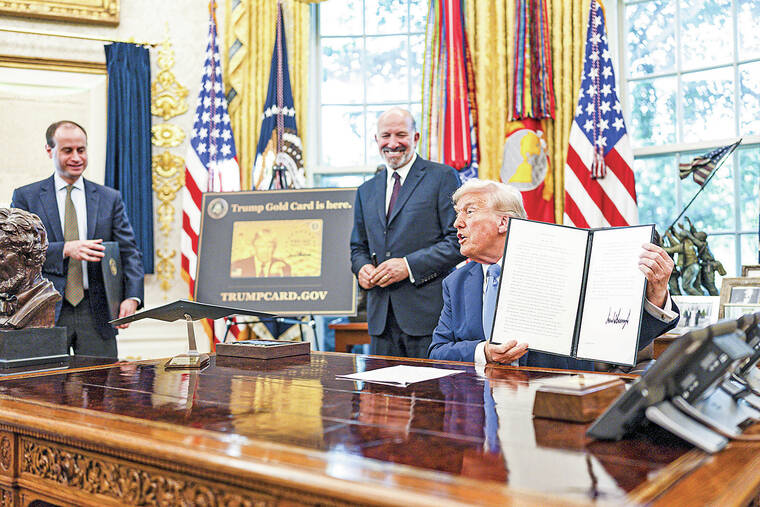
The measure was enacted following a proclamation by President Donald Trump in September, who argued that certain employers exploited the H-1B program, using it to suppress wages and adversely affect American workers. The H-1B visa program allows U.S. employers to hire foreign professionals for jobs that require specialized skills and where qualified American candidates are unavailable, particularly in sectors such as science and technology.
California and Massachusetts are leading the legal efforts, with California Attorney General Rob Bonta emphasizing the detrimental impact of the fee on essential services. “The $100,000 visa fee is devastating for all states, including California, and threatens the quality of education, health care and other core services available to our residents,” Bonta stated.
The new fee has sparked significant backlash from various sectors. An earlier lawsuit challenging the fee was filed in October by a coalition of unions, higher-education professionals, and religious organizations. They argued that the fee would severely impact hospitals, schools, and small businesses that rely on H-1B visa holders.
The controversy surrounding the H-1B visa fee has highlighted a divide among Trump’s supporters. Many in the technology sector, including major employers such as Meta, Google, and Apple, oppose the fee, stating it could hinder their ability to recruit talent and maintain competitiveness. Conversely, immigration hard-liners support the fee, believing it would incentivize companies to prioritize American workers.
Healthcare associations have also expressed concerns, warning that the fee could worsen existing physician shortages. The H-1B visa application process is notably competitive, with Congress capping the number of visas granted annually at 85,000. The addition of a $100,000 fee significantly raises the financial burden for companies seeking to utilize the program.
The lawsuit has garnered support from a broad coalition of states, with additional plaintiffs including Arizona, Colorado, Connecticut, Delaware, Hawaii, Illinois, Maryland, Michigan, Minnesota, Nevada, North Carolina, New Jersey, Oregon, Rhode Island, Vermont, Washington, and Wisconsin.
As the situation develops, responses from the Homeland Security, State, Labor, and Justice Departments remain pending. This legal battle signifies a critical moment in the ongoing discussion about immigration policy and its implications for the U.S. workforce.
The outcome of this lawsuit could have far-reaching effects, not only for skilled foreign workers but also for the industries that depend on their expertise.