The U.S. Supreme Court ruled on March 15, 2024, against a significant portion of President Donald Trump’s tariff regime, reinforcing the principle of separation of powers embedded in the Constitution. In a decisive 6-3 vote, the Court determined that the imposition of tariffs constitutes a form of taxation, a power that resides exclusively with Congress. This ruling signals a pivotal moment in the ongoing dialogue about executive authority and legislative oversight.
Chief Justice John G. Roberts Jr. highlighted the core issue: while the Court did not assess the merits of the tariffs as policy, it emphasized that the authority to raise revenue through taxation lies distinctly with Congress. The phrase “no taxation without representation” resonates deeply within the American legal framework, underscoring that taxing citizens without legislative approval contradicts democratic principles.
The tariffs in question were implemented by Trump, who asserted they were permissible under the International Emergency Economic Powers Act (IEEPA) of 1977. However, the Court noted that this assertion was based on a tenuous interpretation of the law, which only mentions the ability to “regulate … importation.” As Roberts stated, “Based on two words separated by 16 others, the President asserts the independent power to impose tariffs on imports from any country, of any product, at any rate, for any amount of time. Those words cannot bear such weight.” This ruling serves as a crucial check on executive power, preventing arbitrary financial demands on the American populace.
The Court’s opinion hinted at the potential chaos stemming from Trump’s adjustments to tariff rates. It observed that under his interpretation, he could enact numerous modifications without oversight, leading to a landscape where tariffs became a tool for lobbying and special interests. The ruling also referenced existing laws, which grant the executive branch limited powers to impose tariffs through defined procedures and restrictions, something Trump sought to bypass.
In response to the ruling, Trump announced a new 10 percent global tariff, which can be enacted for a maximum of 150 days. This decision coincided with the release of economic data showing a quarterly growth rate of just 1.4 percent, a figure below expectations. Analysts suggest this legal setback may prompt Trump to reconsider his approach to tariffs, particularly with the midterm elections approaching.
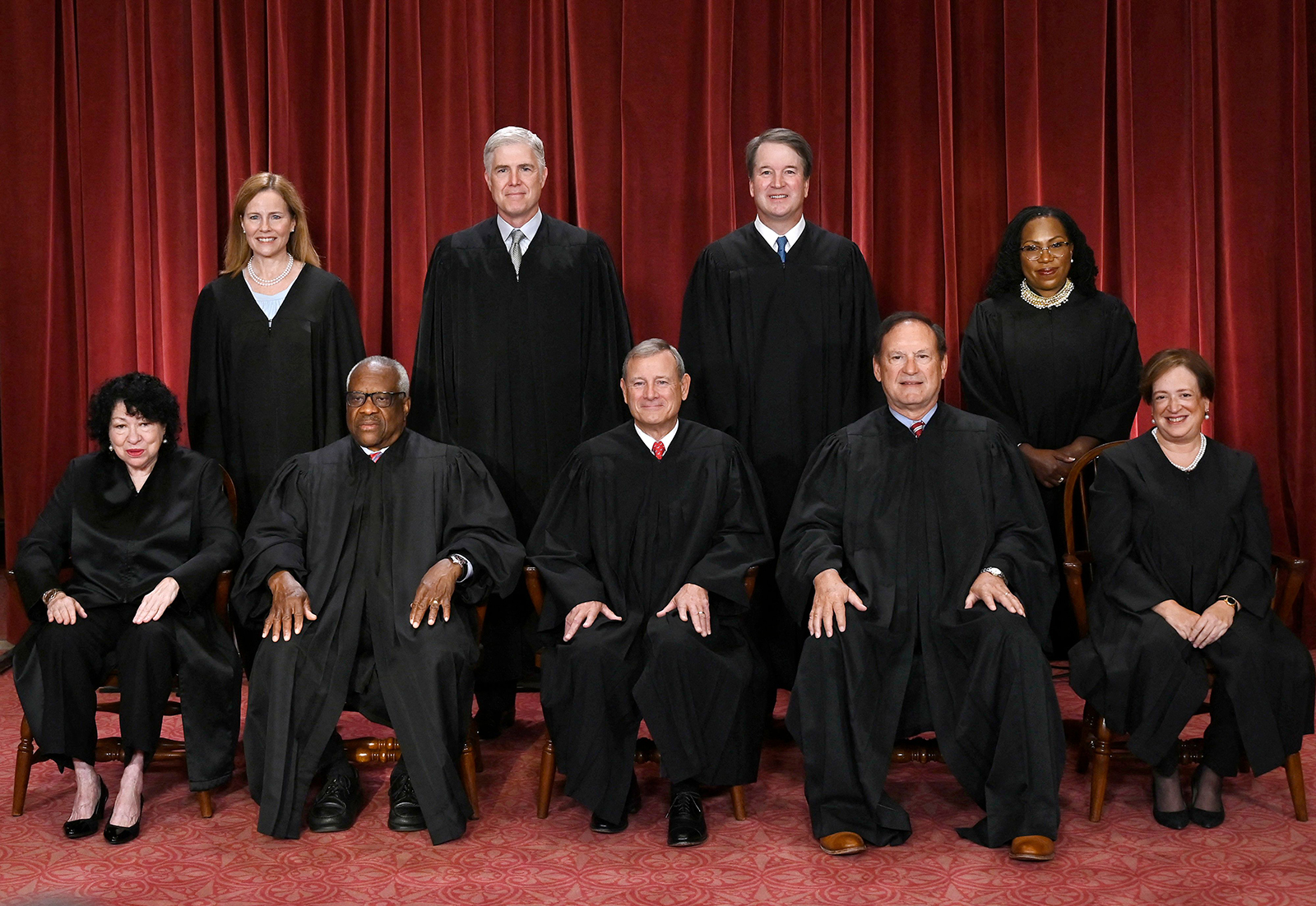
The dissenting opinion, led by Justice Brett M. Kavanaugh and supported by Justices Samuel A. Alito Jr. and Clarence Thomas, argued for a more lenient approach to tariffs, claiming they pertain to “foreign affairs.” This perspective, however, faced criticism due to the financial implications tariffs have on U.S. companies and consumers. Justice Neil M. Gorsuch, in a separate commentary, pointed out that the Supreme Court has previously applied rigorous scrutiny in cases that involved significant policy implications, irrespective of whether they pertained to domestic or foreign affairs.
This ruling comes at a time when the Supreme Court’s independence has been questioned, especially in relation to its past decisions favoring Trump’s policies. The Court previously blocked several initiatives associated with his administration, including attempts to expedite deportations and deploy the National Guard for domestic purposes.
The recent decision reinforces the importance of the separation of powers, reminding the executive branch that it cannot unilaterally impose financial burdens on citizens. As the Court asserts its authority, the onus now shifts to Congress to actively engage in its constitutional role and ensure that any taxation is conducted with proper representation and oversight.