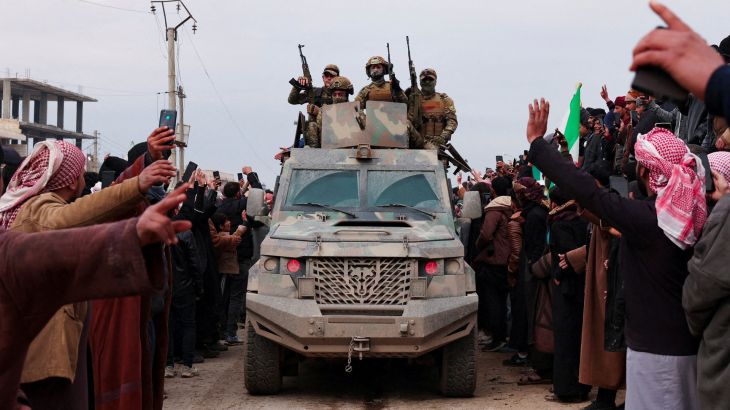
Syrian government troops have gained control of key towns in the eastern Aleppo governorate, including Deir Hafer and Maskana, as the Syrian Democratic Forces (SDF) withdraw from these areas. This shift in power follows an agreement backed by international sponsors aimed at facilitating a more stable environment in the region.
The recent movement of Syrian army forces marks a significant change in the dynamics of eastern Aleppo. According to local officials, the agreement, which has been in the works for several months, was designed to transfer control of these territories to the Syrian government, allowing for the return of displaced residents and the restoration of basic services.
As part of the deal, the SDF has begun its withdrawal, which was closely monitored by representatives from the international community. Reports indicate that the process is progressing smoothly, with minimal resistance encountered. The SDF, which has played a crucial role in the fight against ISIS in the region, has now shifted its focus to other strategic areas where its presence is deemed necessary.
The developments in eastern Aleppo come at a time when the region has faced ongoing challenges, including humanitarian crises and security threats. The Syrian government has expressed its commitment to maintaining stability and order in the newly acquired territories. In a statement, a spokesperson for the Syrian army emphasized the importance of this agreement in fostering peace and security throughout the area.
Local residents have shown mixed reactions to the changes. Some are hopeful that the government’s presence will lead to improved conditions and services, while others remain cautious, recalling past conflicts and instability in the region.
The international community has been actively involved in facilitating this transition. The agreement was reportedly negotiated by key players, including representatives from the United Nations and neighboring countries. Their involvement underscores a growing recognition of the need for coordinated efforts to address the complex challenges facing Syria.
As the situation evolves, the focus will likely shift to how the Syrian government manages its new responsibilities in the region. This includes not only security but also the provision of essential services and infrastructure development to support returning residents.
The developments in eastern Aleppo represent a critical juncture in the ongoing conflict in Syria. The successful implementation of this agreement could pave the way for further negotiations and potential peace initiatives in other conflict-affected areas of the country.
Overall, the situation remains fluid, and the long-term implications of these changes will depend on the ability of all parties involved to navigate the complexities of the region and foster an environment conducive to peace and stability.