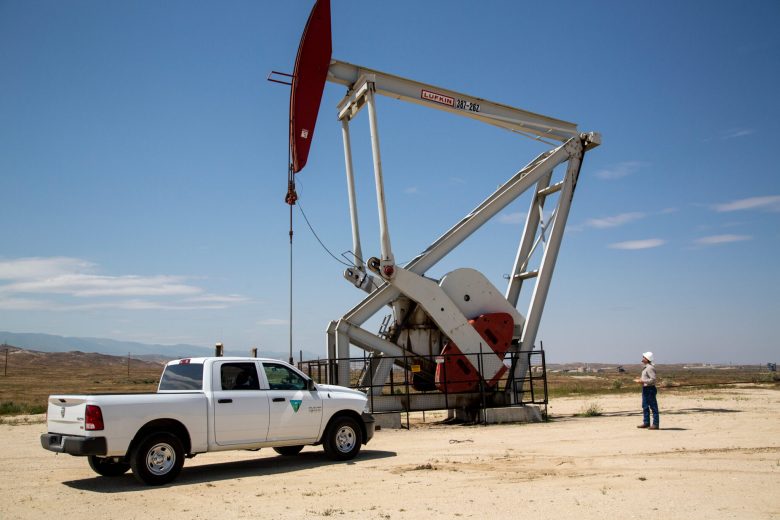
The Trump administration has reignited efforts to expand oil drilling in California by proposing plans to open nearly 2 million acres of public land for fossil fuel development. This initiative, announced by the Bureau of Land Management (BLM), encompasses areas from Santa Barbara to the Bay Area, including land adjacent to national and state parks and near residential zones.
This renewed push comes after previous attempts during Trump’s last term faced significant legal challenges from environmental groups and the state of California. Lawsuits argued that the environmental reviews conducted at the time inadequately assessed the impacts of drilling and fracking. Cooper Kass, an attorney with the Center for Biological Diversity, expressed concern, stating, “They think that they’ve assessed the fracking issue, and they should be free and clear to go now.”
In 2019, the Trump administration’s initial proposal aimed to open approximately 1.2 million acres overseen by the BLM’s Bakersfield office, along with an additional 800,000 acres managed by its Central Coast office. The areas include a mix of federal and split estate lands, where the federal government retains mineral rights while other entities own the surface rights. Legal action by environmental organizations, including the Sierra Club and Los Padres ForestWatch, resulted in settlements that prohibited new oil leases until new environmental analyses were conducted.
The BLM released these new assessments on January 12, 2023, which propose to move forward with the original 2019 plans. The current analyses conclude that there would be “minor” impacts on regional air quality and water resources, despite concerns regarding endangered species in the area. Kass remarked, “They’re saying, ‘Not much has changed, and we’re sticking with what we decided before.’”
Public Response and Legal Challenges
The BLM’s proposal opens a public comment period, which will conclude on March 6, 2023. A final decision on whether to proceed with the drilling plans is expected by July. Environmental advocates are poised to respond. Victoria Bogdan Tejeda, another attorney with the Center for Biological Diversity, emphasized that the BLM still has an opportunity to reassess its decision. “We’re going to look at it very closely,” she said.
Critics of the BLM’s analyses argue they fail to incorporate new state laws enacted in recent years, such as those banning fracking and mandating that new oil wells be located at least 3,200 feet from schools and homes. The Trump administration has contested these new regulations in court, complicating the landscape for potential drilling developments.
Furthermore, recent studies highlighting public health impacts associated with oil and gas production have not been considered in the BLM’s analyses. Michelle Ghafar, an attorney with Earthjustice, noted the lack of consideration for these developments, claiming, “They didn’t look at any of that new information or change of circumstances.”
Industry Outlook and Economic Considerations
Even if the BLM’s plans move forward, the interest from oil companies may remain tepid. With current oil prices low and the challenges associated with extracting crude from California’s aging oil fields, analysts suggest that significant investment may be unlikely. The Western States Petroleum Association has described the proposal as a “common-sense” approach to bolster local economies and ensure energy security. However, Matt Woodson, an analyst at Wood Mackenzie, cautioned that California’s unique regulatory environment and the complexity of its oil fields make it a challenging market for new entrants.
While Governor Gavin Newsom signed legislation to expedite the permitting process for new wells in Kern County, the actual response from companies remains uncertain. Antoine Halff, chief analyst at Kayrros, likened the situation to Venezuela, noting that while the political risk is different, the aging infrastructure and fields present substantial hurdles.
In conclusion, the revival of Trump’s oil drilling plans in California has sparked significant debate and concern among environmental groups and local communities. As the public comment period closes and the BLM prepares its final decision, the implications of these proposals will likely resonate far beyond the immediate areas affected, raising questions about the future of fossil fuel development in the state.