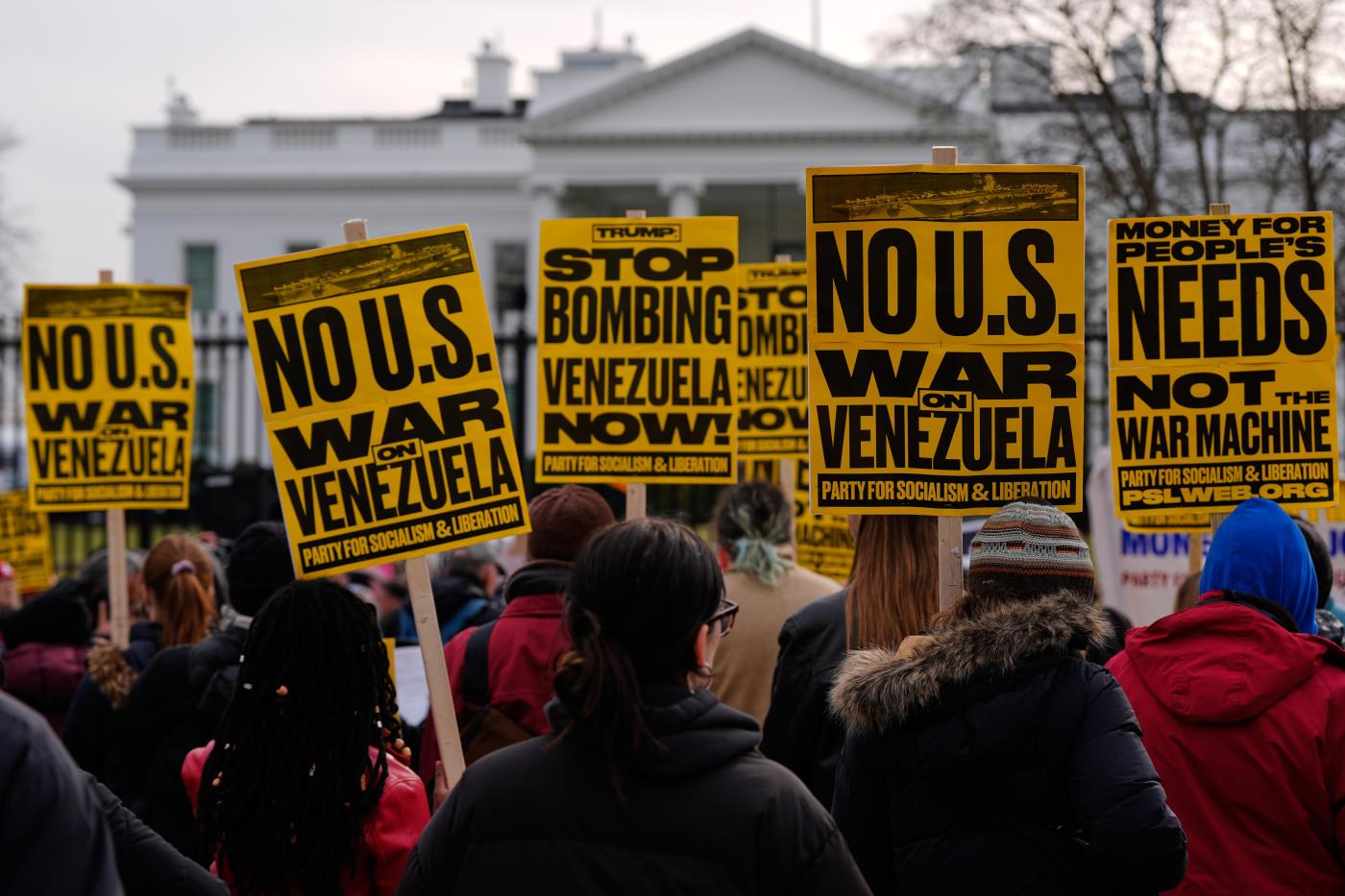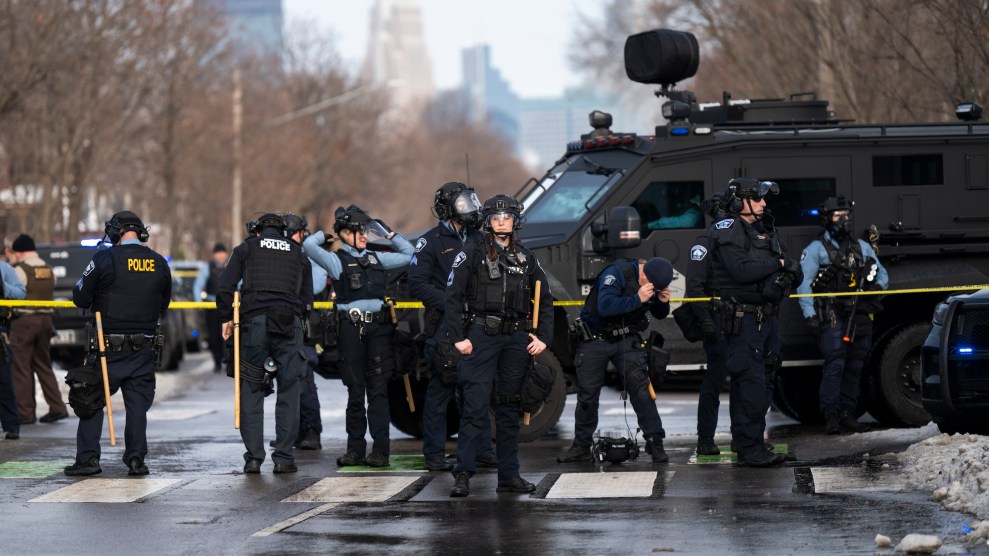
The recent actions of the Trump administration have sparked significant debate regarding the use of violence both domestically and internationally. On January 7, 2026, a civilian named Renee Nicole Good was shot and killed by an agent from ICE in Minneapolis. This incident comes in the wake of a military operation against Venezuela, alongside the launch of a revisionist website by the White House that aims to reshape the narrative surrounding the January 6 Capitol riots.
The military intervention in Venezuela, which included the attempted capture of President Nicolás Maduro, raised serious questions about the legality of such actions. Critics argue that the strike violated both the U.S. Constitution and international law. Without any imminent threat from Venezuela, the unilateral decision to deploy military force against the country lacks legitimate justification. The administration’s portrayal of Maduro as a drug lord does not constitute a valid reason for military action.
In Minneapolis, the circumstances surrounding Good’s death have prompted outrage and concern. Initial reports suggest that Good was not attacking ICE officers but rather attempting to escape when she was shot. Video footage challenges the narrative presented by the Department of Homeland Security, which described her as part of a group of “violent rioters” who allegedly attempted to run over law enforcement. Secretary of Homeland Security Kristi Noem defended the officer, stating that he acted out of fear for his life, reinforcing a message that lethal force could be justified under certain conditions.
The day prior to the shooting, the Trump White House unveiled a new website celebrating the January 6 rioters. This site portrays those involved in the Capitol breach as “patriotic” individuals who were unjustly labeled as insurrectionists. The administration’s narrative claims that Democrats manipulated the events of that day to fabricate an insurrection narrative, ignoring the violent reality of the breach itself.
In a striking interview, Stephen Miller, a senior advisor in the Trump administration, articulated a chilling view of international relations. When asked if military force might be used to assert control over Greenland, Miller stated, “We live in a world… governed by strength, that is governed by force.” This statement implies a willingness to exercise violence both abroad and within the United States, suggesting that the administration’s approach to governance may rely on intimidation rather than legal frameworks.
The implications of these actions are troubling. They signal a departure from the foundational principles of a rules-based society, where laws govern behavior rather than sheer force. The administration’s stance appears to endorse the idea that might makes right, undermining the social order and public good.
As the Trump administration approaches the end of its first year back in power, the consistent message seems clear: the use of violence, whether through military action or domestic law enforcement, is an acceptable means to achieve political ends. This unsettling development raises critical questions about the future of governance in the United States and its commitments to democratic principles and human rights.
The consequences of this approach extend beyond political rhetoric; they pose a tangible threat to civil liberties and the rule of law. As citizens and lawmakers reflect on these events, the call for accountability and a return to lawful governance becomes increasingly urgent. The administration’s actions serve as a potent reminder of the risks associated with unchecked power and the normalization of violence in political discourse.