The United States plans to collaborate with NATO to develop a strategic framework for Greenland, according to President Donald Trump. Speaking to reporters aboard Air Force One on January 22, 2020, Trump indicated that this initiative would allow the U.S. significant autonomy in military and other operations in the region.
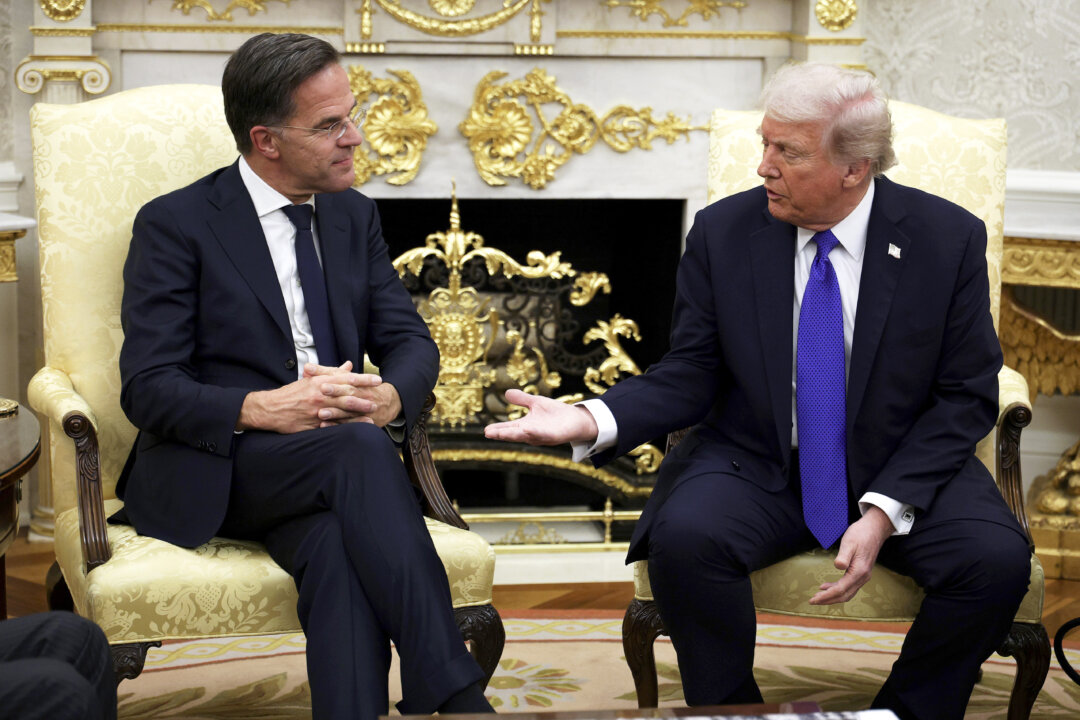
During a meeting with NATO Secretary-General Mark Rutte in Davos, Switzerland, on January 21, Trump stated that discussions around the future of Greenland and the broader Arctic area have begun. He emphasized that there is no fixed duration for any potential agreement, suggesting that the U.S. could exercise long-term rights in the territory.
Trump highlighted the absence of a time limit in the negotiations, referencing various time spans that have been mentioned in the media, such as “99 years” or “50 years.” He reiterated, “It’s forever. We can do military, we can do anything we want,” reflecting a confident tone about the negotiations.
The discussions around Greenland have gained attention as the U.S. seeks to enhance its presence in the Arctic, a region that is becoming increasingly significant due to climate change and geopolitical interests. The U.S. aims to secure its strategic interests as nations, including Russia and China, expand their influence in the area.
Trump’s remarks indicate a desire to solidify military and economic partnerships in Greenland. The president suggested that the ongoing negotiations would yield positive outcomes, stating, “It’s being negotiated, and let’s see what happens. I think it’ll be good.”
This initiative marks a notable shift in U.S. foreign policy, highlighting the importance of international cooperation in addressing strategic challenges in the Arctic. As the situation develops, the collaboration between the U.S. and NATO will be closely monitored, especially given the growing international focus on Greenland’s resources and strategic location.
The implications of these discussions extend beyond military considerations, potentially affecting trade routes, environmental concerns, and indigenous communities in Greenland. As the U.S. and NATO continue to explore this collaboration, the global community will be watching for further announcements regarding the future of Greenland and its role in international relations.