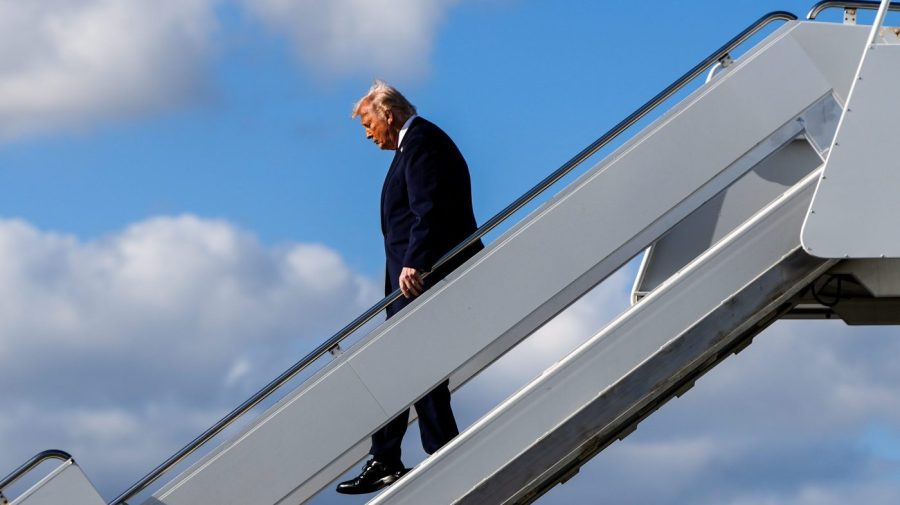
President Donald Trump is set to engage with European leaders this week at the World Economic Forum in Davos, Switzerland. The meeting comes as tensions escalate over Trump’s controversial proposal for the United States to acquire Greenland. This latest diplomatic friction is exacerbated by Trump’s recent announcement of a 10 percent tariff on Denmark and its European allies, aimed at applying pressure regarding future negotiations.
The tariffs, announced on Saturday, are part of Trump’s broader strategy to leverage economic tools in international relations. The move is seen as an attempt to compel Denmark and other European nations to reconsider their positions on various issues, including trade and security partnerships.
Diplomatic Tensions Heightened
The suggestion that the U.S. might purchase Greenland has drawn significant criticism from Danish officials, who regard the territory as an integral part of their nation. This diplomatic strain is compounded by the backdrop of the ongoing trade negotiations between the U.S. and European countries. Trump’s tariffs could lead to retaliatory measures, further complicating the already tense economic landscape.
A spokesperson for the Danish government emphasized the importance of respecting Greenland’s autonomy, stating that the island’s future is not up for negotiation. The Danish Prime Minister has previously described the idea of selling Greenland as “absurd,” yet Trump’s administration seems undeterred, viewing the acquisition as a potential strategic advantage.
World Leaders Respond
As leaders from around the world gather in Davos, Trump’s approach is likely to dominate discussions. European officials are expected to voice their concerns about the tariffs and the potential implications for transatlantic relations. The World Economic Forum, which runs from January 21 to 24, 2020, serves as a platform for addressing pressing global issues, including climate change, economic inequality, and international security.
Trump’s insistence on acquiring Greenland has raised eyebrows not just in Europe but globally. The idea, first proposed in 2019, was met with laughter and skepticism during his previous term. Now, as the geopolitical landscape shifts, it appears the administration is revisiting the concept, with potential ramifications for U.S.-Denmark relations.
The upcoming meetings in Davos will be pivotal in shaping the narrative around these tensions. Observers are keen to see how Trump balances his assertive trade policies with the need for cooperation on critical global challenges. The outcome of these discussions could influence economic strategies and diplomatic ties between the U.S. and its allies for years to come.
With the world watching, the stakes are high as Trump prepares to confront his European counterparts in Davos. The focus on Greenland may not only define his approach to international relations but also impact his administration’s standing both at home and abroad.