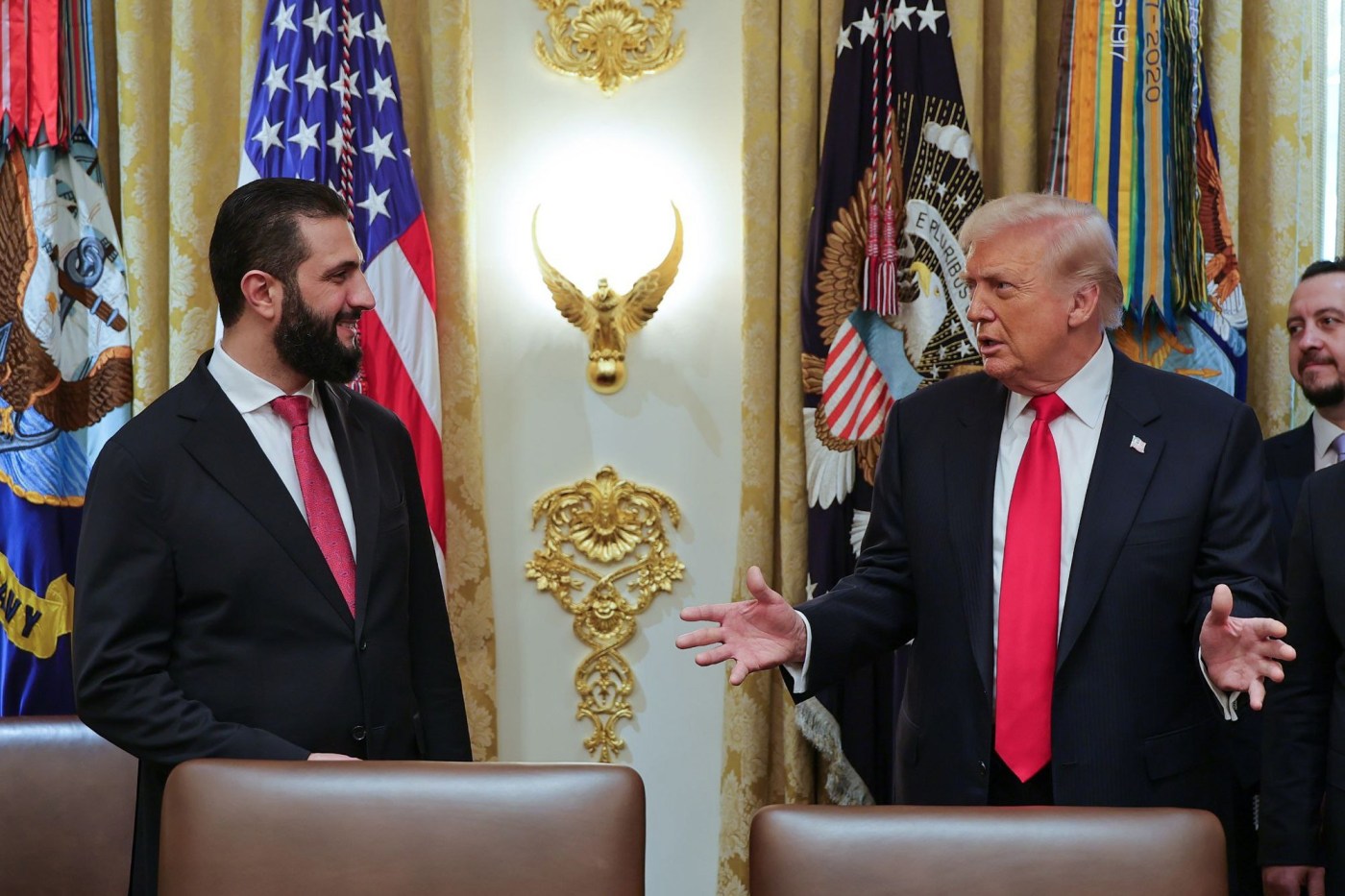
Donald Trump’s focus on international issues is drawing criticism as it overshadows pressing domestic economic concerns. Since his initial presidential campaign in 2015, Trump has demonstrated a keen understanding of the American electorate’s priorities. However, recent actions suggest a shift that may jeopardize his support ahead of the upcoming elections.
During the lead-up to the elections on November 4, 2024, Trump engaged in a series of foreign policy activities that have raised eyebrows. Amid a 43-day government shutdown, he met with Chinese President Xi Jinping in South Korea on October 30, followed by a summit with the leaders of five Central Asian nations on November 6. Just days later, he ordered the USS Gerald R. Ford Carrier Strike Group to prepare for a potential military action against Venezuela. This occurred while reports of extrajudicial killings of alleged Venezuelan “narco-terrorists” continued to surface.
The situation intensified on November 10, when Trump met with Syrian leader Ahmed al-Sharaa. Until recently, al-Sharaa was designated as a global terrorist by the U.S. State Department, with a $10 million bounty on his head for leading the al-Qaeda affiliate, al-Nusra Front. Critics argue that such meetings reflect a troubling distraction from domestic issues.
As Trump’s foreign engagements unfold, many Americans are facing deteriorating living conditions. Vice President JD Vance acknowledged this reality on social media following the Democratic victories on November 4, emphasizing the need to focus on domestic matters to improve the quality of life for citizens.
Despite these pressing concerns, Trump claimed during a meeting with Hungarian Prime Minister Viktor Orban on November 7 that inflation was under control. He cited a statement from Walmart suggesting that Thanksgiving costs would be 25% less than the previous year. However, reports indicated that this decrease was due to fewer items offered rather than an overall drop in prices.
In September, inflation reached a yearly rate of 3%, down from a peak of 9.1% in June 2022 but still reflective of ongoing economic challenges. The National Association of Realtors reported that the share of first-time homebuyers fell to a record low of 21%, with the average buyer’s age climbing to 40 years. In response, Trump proposed a 50-year mortgage option, a move seen by many as inadequate.
Trump’s tariff policies have also drawn scrutiny. Initially introducing 15% tariffs alongside tax cuts, he later imposed punitive tariffs exceeding 100% on several countries. This erratic approach has created uncertainty for businesses, which rely on predictability for future planning.
Economic uncertainty has direct implications for families, contributing to stagnant wages and delayed hiring. Businesses struggling to forecast costs often cannot offer raises or expand their workforce.
As the November 3, 2026 mid-term elections approach, Trump faces pressure to refocus his administration’s priorities. To maintain support and prevent a Democratic Congress, he must shift his attention away from foreign policy distractions and stabilize economic conditions. Emphasizing everyday issues and effectively managing inflation will be crucial for his political future.
With a year remaining before the elections, the call for Trump is clear: prioritize the domestic agenda and address the economic challenges facing American families.