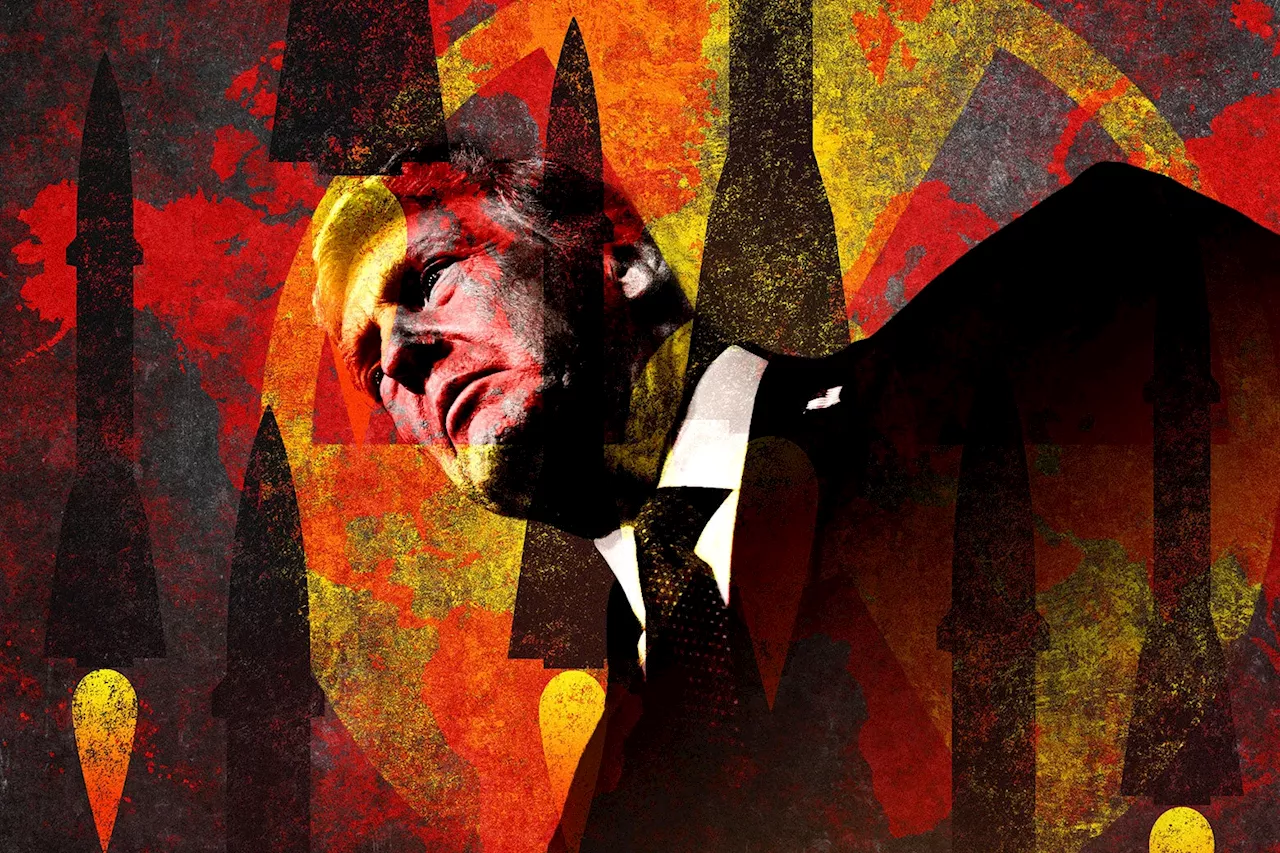
President Donald Trump has made headlines by allowing the New START treaty, the last significant nuclear arms control agreement between the United States and Russia, to approach expiration without plans for renewal. This decision has raised alarms among analysts who view the treaty as a crucial framework for managing nuclear arsenals.
New START, originally negotiated during the Obama administration, mandates significant reductions in nuclear warheads and includes stringent on-site inspection provisions. Despite its historical significance, Trump has publicly expressed a desire to replace it with a “new, improved, and modernized treaty” that he claims would better reflect current geopolitical realities. Yet, this assertion has drawn skepticism given the lack of concrete proposals or negotiations initiated by his administration.
The treaty is set to expire this week, and Russian President Vladimir Putin has suggested extending the agreement for an additional year. Trump, however, has declined this offer, stating that he prefers to overhaul the current framework. Critics argue that this stance may stem from a broader disdain for treaties associated with former President Barack Obama, whom Trump has consistently criticized.
In a recent social media post, Trump made several claims regarding military enhancements during his presidency, asserting that he “completely rebuilt” the military, including its nuclear capabilities. However, analysts point out that no new nuclear weapons were added during his term, and the advancements made largely followed plans set in motion by the Obama administration.
Trump’s comments on military readiness included a rather audacious assertion that he had prevented nuclear conflicts from erupting globally, specifically mentioning tensions involving Pakistan and India, as well as Iran and Israel. This claim has been met with skepticism, as recent skirmishes between these nations did not escalate to nuclear threats.
The administration’s failure to engage in meaningful negotiations for a new treaty raises questions about Trump’s strategic priorities. Despite reports indicating that U.S. and Russian officials were close to a deal to extend New START, the Trump administration appears disengaged from the arms control dialogue.
As the deadline looms, the implications of allowing New START to lapse are significant. With no treaty in place, the risk of an arms race could increase, as both nations may feel less compelled to adhere to nuclear limitations. The absence of a framework could also hinder transparency and trust between the two nuclear powers.
Trump’s track record on infrastructure projects, such as the controversial Gateway Tunnel plan connecting New York and New Jersey, further illustrates a tendency to prioritize political symbolism over substantive policy. His recent discussions with Senator Chuck Schumer about restoring funding to the project highlight his focus on personal legacy rather than practical governance.
The potential loss of New START marks a significant shift in U.S. nuclear policy after decades of arms control efforts. As the treaty’s expiration date arrives, the international community watches closely, concerned about the future of nuclear stability and the broader implications for global security.
In summary, Trump’s approach to the New START treaty reflects a broader disinterest in arms control and a tendency to prioritize personal achievements over multilateral agreements. With the treaty’s future uncertain, the risks to global nuclear stability could be profound.