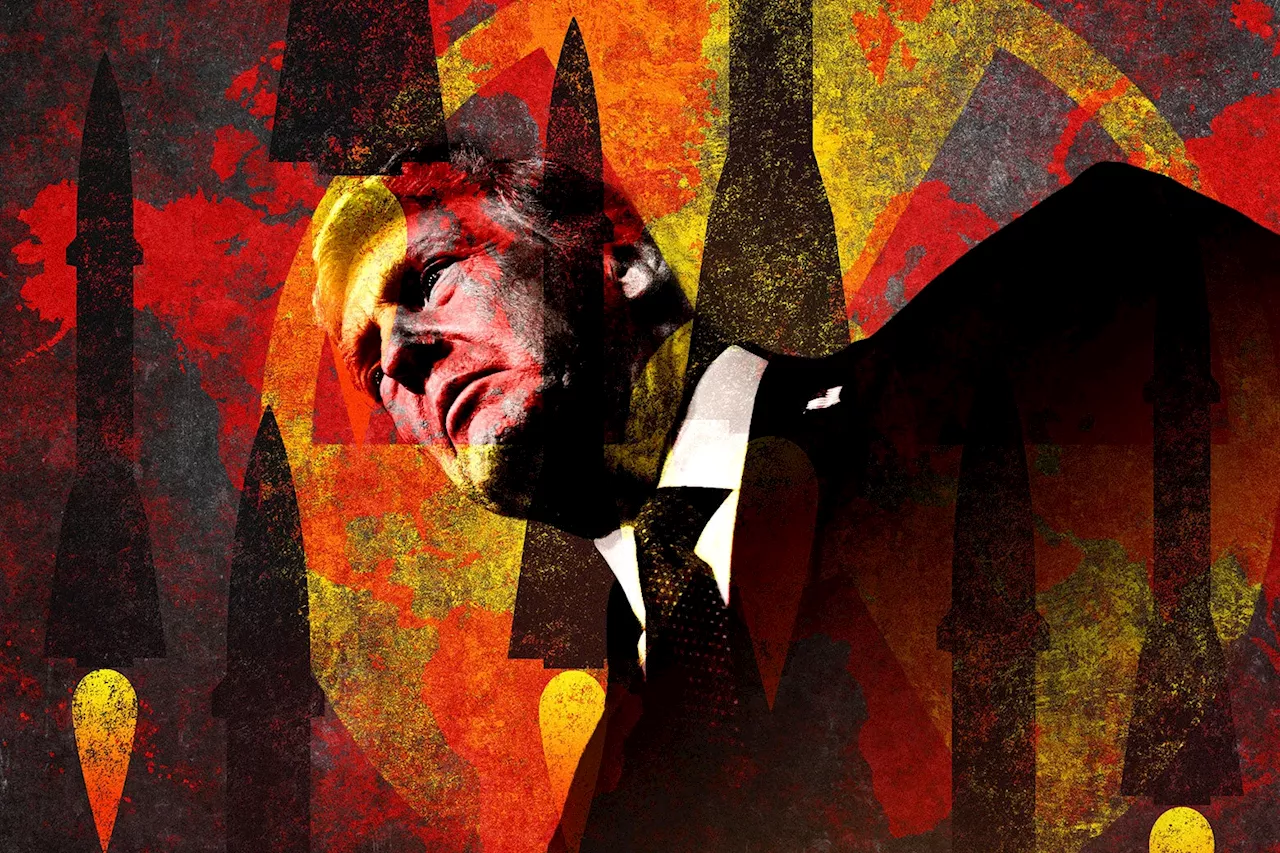
U.S. senators have expressed strong opposition to President Donald Trump’s proposed peace plan aimed at resolving the ongoing conflict between Russia and Ukraine. During a panel discussion at the Halifax International Security Forum in Nova Scotia on Saturday, these lawmakers criticized the initiative for potentially rewarding Russian aggression and undermining Ukraine’s sovereignty.
The 28-point peace plan, developed by the Trump administration in coordination with the Kremlin, reportedly includes concessions that Ukrainian President Volodymyr Zelenskyy has consistently rejected. These concessions involve significant territorial compromises, raising concerns among U.S. lawmakers about the implications of such an agreement. Trump has indicated his desire for Ukraine to accept the plan by the end of next week.
Senator Angus King, an Independent from Maine and a member of the Senate Foreign Relations Committee, articulated his concerns during the forum, stating, “It rewards aggression. This is pure and simple. There’s no ethical, legal, moral, political justification for Russia claiming eastern Ukraine.” He drew parallels between the proposed plan and the infamous Munich Agreement of 1938, which is widely regarded as a failed act of appeasement towards Adolf Hitler.
Concerns about the plan were echoed by Thom Tillis, a Republican senator from North Carolina. He criticized fellow Republican Mitch McConnell, a former Senate party leader, for not being sufficiently forthright in his condemnation of the proposal. McConnell had previously suggested that if the administration prioritizes appeasing Vladimir Putin over seeking genuine peace, it may be time for the President to reconsider his advisors. Tillis went further, stating, “We should not do anything that makes [Putin] feel like he has a win here,” indicating a desire for a more robust response.
Democratic Senator Jeanne Shaheen of New Hampshire also condemned the peace plan, labeling it an “outrage.” Her comments reflect a broader bipartisan unease regarding the administration’s approach to the conflict. Following the proposal’s unveiling, Putin expressed support, stating it could serve as a foundation for a final peace settlement, contingent on Ukraine and its European allies’ agreement.
Zelenskyy has not dismissed the plan outright but emphasized the need for equitable treatment, vowing to engage with Washington and other partners during “truly one of the most difficult moments in our history.”
The Halifax International Security Forum, now in its 17th year, attracts military officials, diplomats, and scholars from around the world. This year, the forum has seen an increased presence of U.S. senators, partially due to strained relations between Canada and the United States, exacerbated by Trump’s trade policies and controversial remarks about Canada potentially becoming the 51st U.S. state. These tensions have reportedly led to a decline in tourism from Canada to the U.S., particularly affecting border states like New Hampshire.
Senator Shaheen noted the importance of addressing these strained relations, stating, “There’s real concern about that strain. That’s one reason why there’s such a big delegation here.” She reaffirmed her commitment to opposing the President’s tariffs, asserting that they are detrimental to both Canada and global relations, revealing a perceived lack of respect for sovereign nations.
As the debate over the peace plan continues, the implications for U.S.-Ukraine relations and the broader geopolitical landscape remain uncertain. The calls for a more assertive stance against Russian aggression highlight the complexities facing policymakers as they navigate this multifaceted conflict.