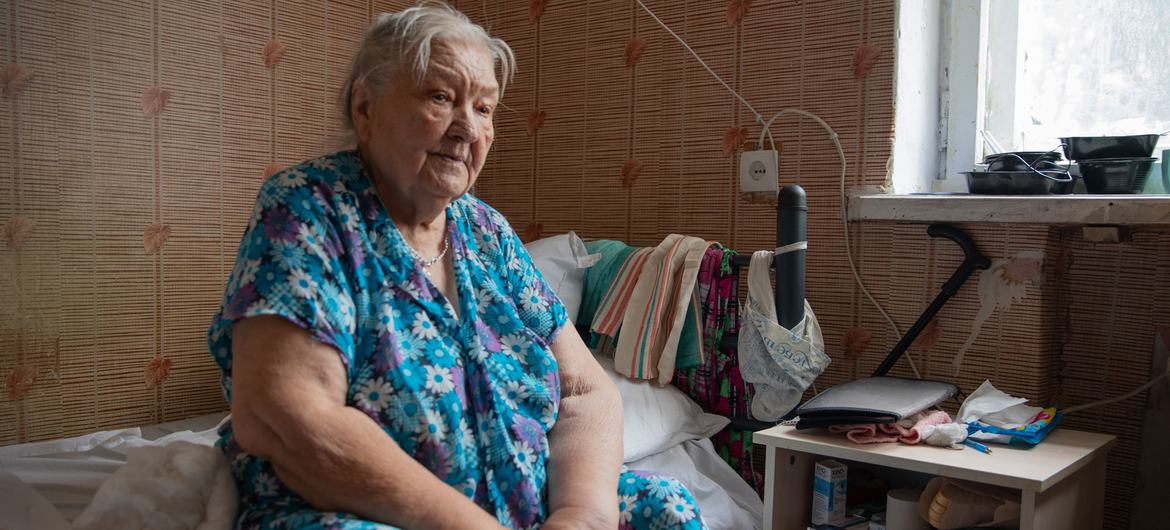
Ukraine is currently experiencing a significant housing crisis, described as “unprecedented” by various officials and organizations, nearly three and a half years after Russia’s full-scale invasion began in February 2022. The conflict has devastated infrastructure, leaving millions of Ukrainians in dire need of housing solutions.
The United Nations reports that approximately 7.9 million people have been displaced within Ukraine due to the ongoing war. Many of these individuals are living in precarious conditions, often in temporary shelters or damaged buildings. The situation has raised urgent concerns about the country’s capacity to address the growing housing needs as the conflict continues.
Scale of the Crisis
The scale of destruction is staggering, with an estimated $1 trillion required for the complete reconstruction of housing and infrastructure across the country. Cities like Kyiv and Mariupol have suffered extensive damage, with many homes either destroyed or rendered uninhabitable. The Ukrainian government, alongside international partners, is working to develop strategies to provide adequate housing solutions for those affected.
According to the UN, the number of internally displaced persons (IDPs) continues to rise, exacerbating the already critical housing shortage. Those who have returned to their homes often find them in ruins, further complicating efforts to stabilize the situation. The lack of affordable housing options means that many are forced to remain in overcrowded or unsafe conditions.
International and Local Responses
In response to the crisis, the Ukrainian government has launched various initiatives aimed at facilitating housing reconstruction. This includes partnerships with international organizations and a call for foreign investments to help rebuild homes. The UN has pledged support, emphasizing the importance of sustainable housing solutions that can withstand future conflicts.
Local NGOs are also playing a vital role in addressing immediate housing needs. They provide resources and support to families who have lost their homes, focusing on rapid response measures to alleviate the suffering of displaced individuals. Initiatives include the provision of temporary housing, financial assistance, and legal support to help families navigate the complexities of displacement.
As the war continues, the outlook for housing in Ukraine remains uncertain. The international community’s response will be critical in determining the pace and effectiveness of recovery efforts. The need for comprehensive plans that address not only immediate housing needs but also long-term stability and resilience against future crises is becoming increasingly apparent.
The ongoing conflict in Ukraine highlights the profound impact of war on civilian life and the urgent need for coordinated action to address the housing crisis that has emerged in its wake. With millions still affected, the road to recovery will be long and challenging, requiring sustained commitment from both local and international entities.