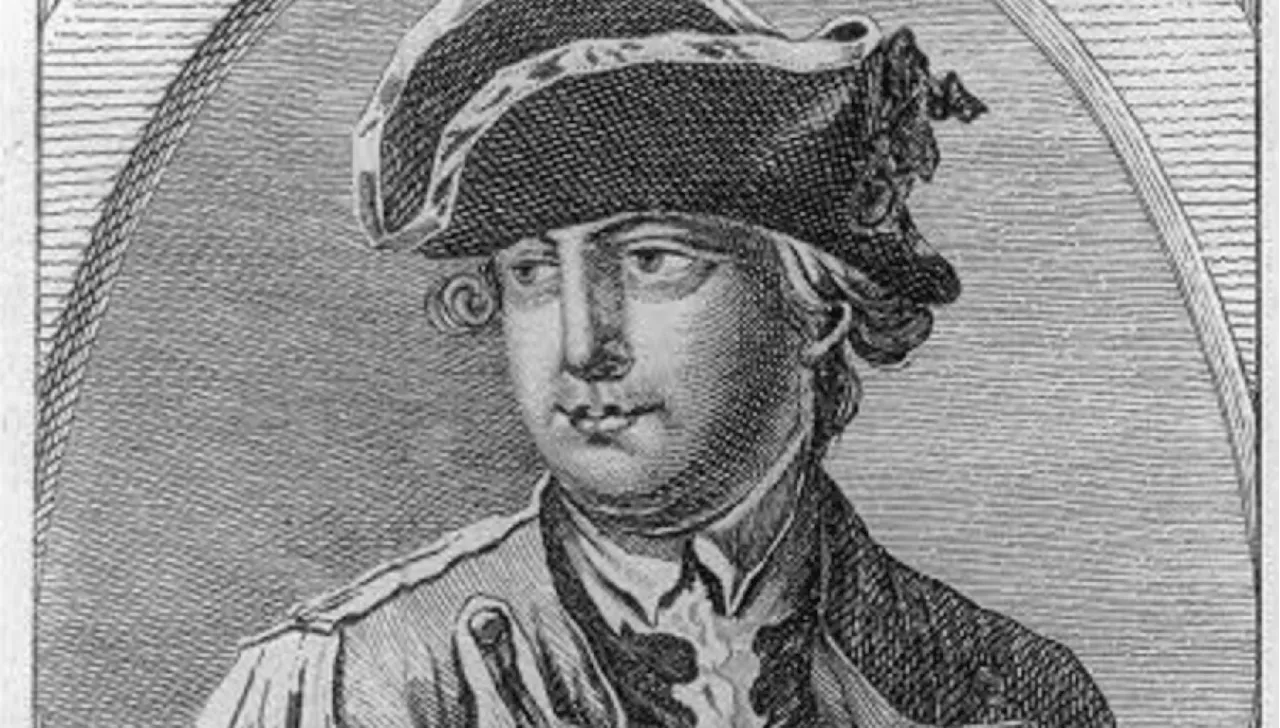
On January 8, 1776, General George Washington took decisive action by ordering Major General Charles Lee to defend New York City against an imminent British threat. Washington’s order came after he observed preparations for a British fleet in Boston, which he believed was poised to attack New York and secure control of the crucial Hudson River.
Strategic Importance of New York
Washington recognized that the loss of New York would significantly weaken the American cause. He warned Lee that British forces aimed to seize the city to establish dominance over the interior of the continent and create a direct corridor to Canada. In his communication, he emphasized the critical nature of the situation, stating that the British were likely to transport troops from Boston for a southern expedition.
In his letter, Washington outlined the urgency of the mission, instructing Lee to proceed to New York with “all possible speed.” He expressed concern about the inhabitants of Long Island, whom he characterized as hostile to the American cause. Washington directed Lee to disarm individuals suspected of being sympathetic to British interests and to prepare the city for defense against any potential invasion.
Instructions for Defense Preparations
Washington’s detailed orders included calling upon the commanding officers of New Jersey’s forces for assistance and ensuring that New York was fortified adequately. He also urged Lee to investigate the state of fortifications along the Hudson River. This proactive approach aimed to guard against surprise attacks from British forces that could be transported by water.
“You are to put that City in the best posture of Defence which the Season & Circumstances will admit of,” Washington wrote, underscoring the importance of immediate action.
Furthermore, Washington requested that Lee secure essential medical supplies and equipment belonging to the British troops, highlighting the need to disrupt the enemy’s logistics. He emphasized that Lee should act based on his judgment and the advice of those genuinely committed to the American cause while remaining aligned with the directives of the Continental Congress.
Washington concluded his letter by stressing the importance of rapid execution of these orders, knowing that the situation was critical. He advised Lee to dismiss any volunteers as soon as their service was no longer necessary, maintaining readiness to join the main army should the circumstances demand.
This pivotal moment in the early days of the American Revolution illustrates the strategic foresight of Washington and the urgency of military preparedness as tensions escalated between the colonies and British forces. As the situation developed, the actions taken by Washington and Lee would play a crucial role in the defense of New York and the broader fight for independence.