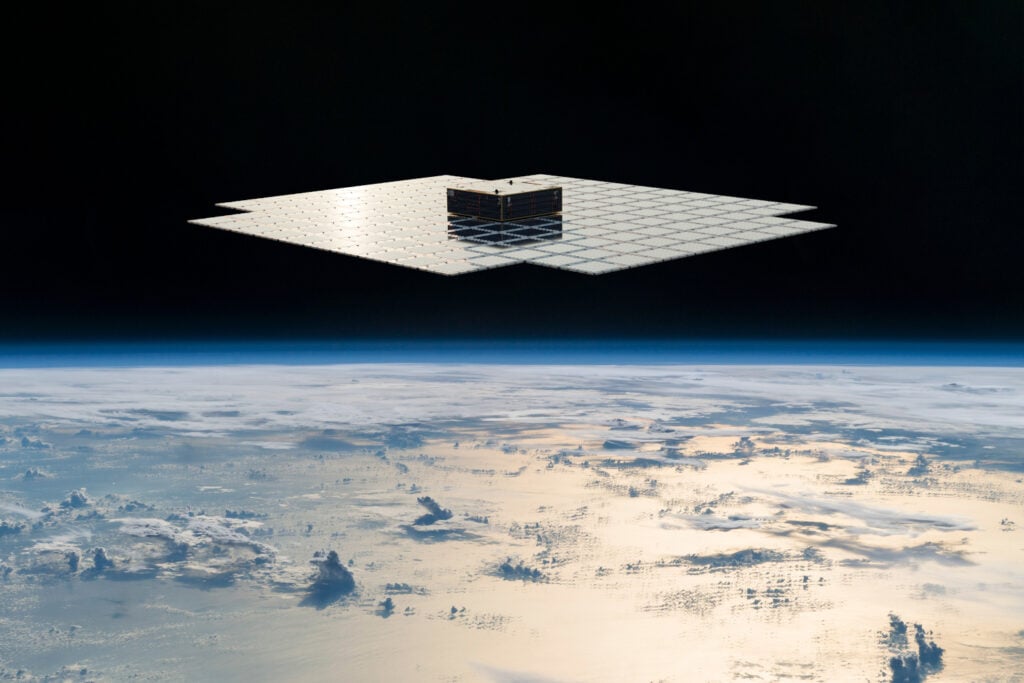
Texas-based startup AST SpaceMobile successfully launched its largest satellite, BlueBird 6, on December 23, 2023, at 22:25 ET. The satellite, which took off aboard India’s LVM3 rocket from the Satish Dhawan Space Center, marks a significant step in the company’s mission to establish a space-based cellular broadband network that can be accessed directly by mobile phones.
Large Scale and Ambitious Goals
BlueBird 6 is noteworthy for its size, being approximately three times larger than previous models and recognized as the largest commercial satellite currently in Earth’s orbit. This next-generation satellite is part of AST SpaceMobile’s ambitious plan to launch a constellation of satellites that will eventually include a total of 243 units.
The launch follows the company’s initial foray into satellite technology with the deployment of BlueWalker 3 in September 2022, which was designed to test the feasibility of establishing cellphone towers in space. In a significant milestone, BlueWalker 3 facilitated the first 5G phone call from space to a standard Samsung Galaxy S22 last year.
With the recent launch, AST SpaceMobile aims to position itself as a serious competitor to SpaceX’s Starlink, which currently operates over 9,000 satellites, accounting for approximately 60% of all satellites in orbit. While SpaceX has a considerable advantage in numbers, AST SpaceMobile’s satellites are designed with larger antennas and offer a direct-to-cell service that eliminates the need for additional hardware.
Future Expansion Plans
The BlueBird 6 satellite features an impressive array that, once fully deployed, will span around 2,400 square feet (approximately 223 square meters), further enhancing its capabilities. Each satellite is engineered to support 10 gigahertz of bandwidth and deliver speeds of up to 120 megabytes per second per cellphone.
AST SpaceMobile plans to launch an additional 45 to 60 satellites by the end of 2026, targeting coverage across the United States and other initial markets. The company envisions providing seamless 5G data services globally, which could profoundly impact mobile connectivity.
The competitive landscape between AST SpaceMobile and SpaceX has become increasingly tense, with both companies addressing regulatory concerns. In July 2023, SpaceX raised issues with the Federal Communications Commission (FCC), claiming that AST SpaceMobile’s plans could jeopardize the sustainability of low Earth orbit. In response, AST has accused SpaceX of attempting to intimidate competitors through regulatory maneuvers.
As both companies continue to deploy satellites, the increasing volume of objects in low Earth orbit raises questions about the potential impact on both the environment and the night sky. The rivalry between these two tech giants underscores the rapid evolution of satellite technology and its implications for global communication.