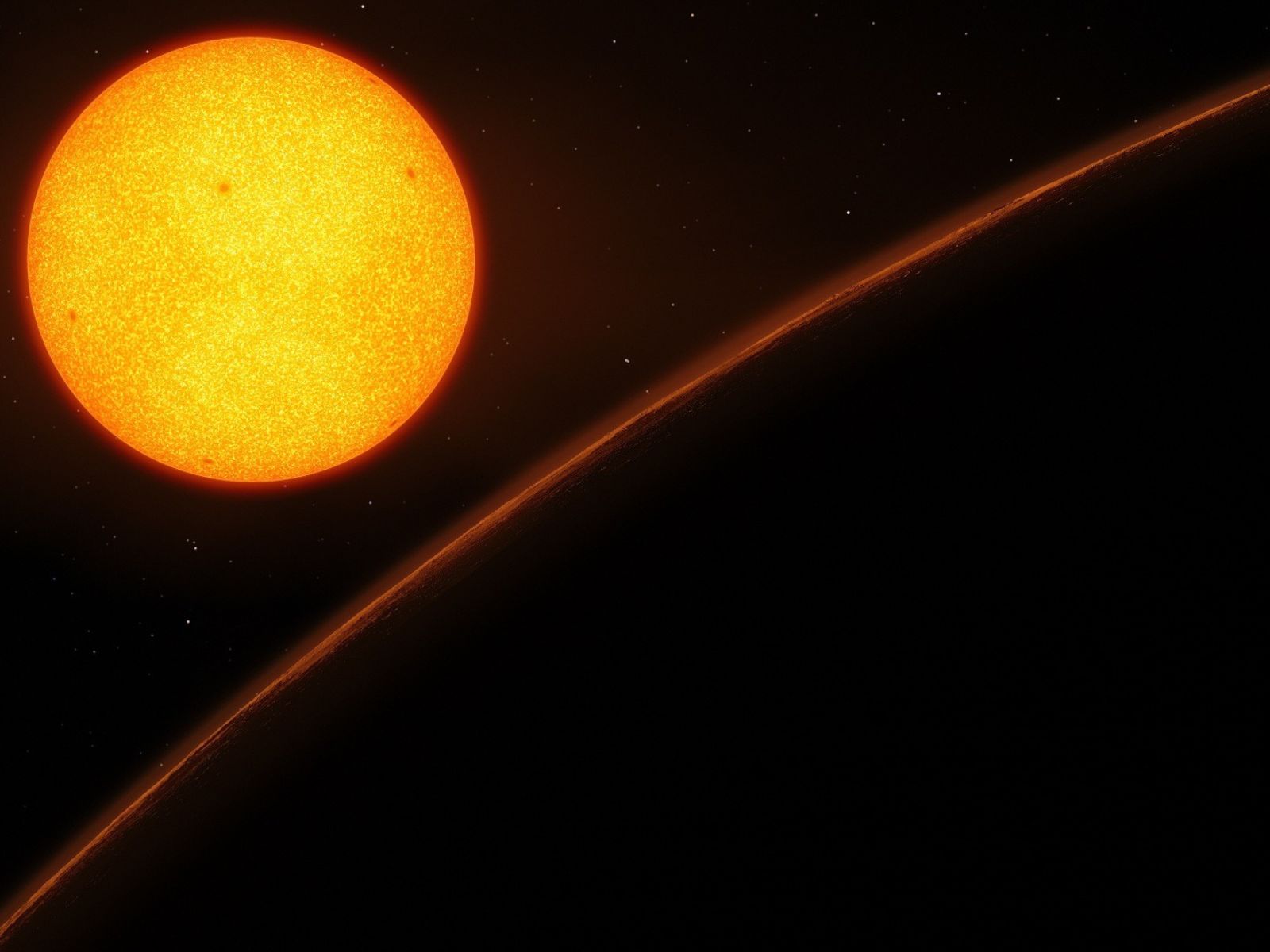
Astronomers have identified a new exoplanet situated within the habitable zone of its host star, offering potential insights into the search for extraterrestrial life. This exciting discovery, published in the journal Astronomy & Astrophysics, highlights the ongoing advancements in our understanding of planets outside our solar system.
The exoplanet, which has not yet been named publicly, orbits a star that is similar in characteristics to our Sun. Its location within the habitable zone suggests that it could possess conditions suitable for liquid water, a key ingredient for life as we know it. The announcement was made on October 10, 2023, by a team of researchers from various institutions dedicated to planetary research.
Details of the Discovery
Using advanced telescopic technology, the team successfully detected the exoplanet through transit photometry, a method that measures the dimming of a star’s light as a planet passes in front of it. The data indicates that the new planet has a similar size to Earth, which significantly increases the likelihood of it supporting life.
The identification of this exoplanet is part of a larger initiative aimed at discovering and studying planets within habitable zones across various star systems. Researchers believe that understanding the atmospheres and compositions of such planets could illuminate the conditions necessary for sustaining life.
The significance of this discovery lies not only in its potential for habitability but also in the methodologies used. The technology employed allows for more precise measurements and could lead to further discoveries in the near future. As telescopes improve, astronomers anticipate the identification of many more exoplanets that could share characteristics with Earth.
Implications for Future Research
The findings underscore the importance of ongoing research in astrobiology and planetary science. As scientists continue to analyze the atmosphere of this newly discovered exoplanet, they hope to gather information that could provide insights into its climate and potential for hosting life.
In addition to its scientific implications, this discovery has captured the public’s imagination and reignited interest in space exploration. As humanity continues to look beyond our planet, each discovery brings us one step closer to answering profound questions about our place in the universe.
With future missions planned to explore more distant star systems, researchers are optimistic about the potential for discovering additional exoplanets that could expand our understanding of life beyond Earth. The ongoing study of the newly identified exoplanet promises to contribute significantly to our knowledge of the universe and the possibilities it holds.