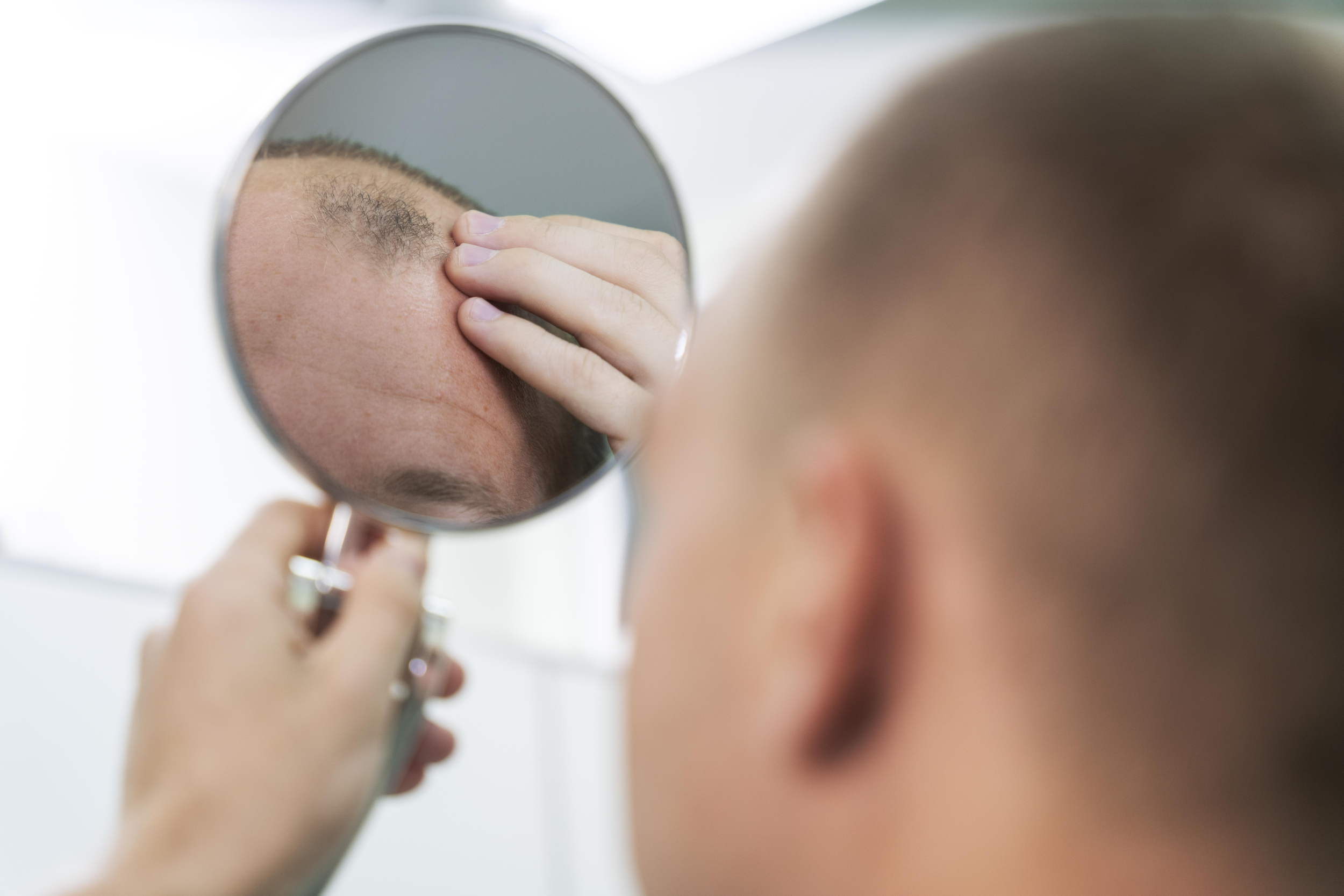
In a significant development for the hair restoration field, advances in hair follicle cloning are emerging as a potential solution to baldness by 2025. Researchers have made substantial progress in cellular biology and regenerative medicine, enabling the transition of hair follicle cloning from theoretical concepts to clinical and commercial viability. This shift could reshape a multibillion-dollar global market for hair restoration.
Historically, hair loss has been viewed as an unavoidable part of aging, with patients often relying on a range of treatments, from ancient remedies to modern pharmaceuticals. Despite numerous advancements, effective solutions have remained elusive. Current options predominantly consist of medications like Finasteride and Minoxidil, which primarily slow hair loss rather than promote regrowth. Surgical options, including Follicular Unit Extraction (FUE), have gained popularity but are limited by donor hair supply, leaving many patients disappointed.
Scientific Breakthroughs in Hair Follicle Cloning
The recent focus on dermal papilla (DP) cells, crucial for hair follicle development, has paved the way for new therapies. For years, researchers have understood the significance of these specialized cells, yet translating that knowledge into effective treatments has proven challenging. Previous attempts to expand DP cells outside the body often resulted in a loss of their essential properties for hair growth.
However, recent breakthroughs in 2025 indicate that this barrier is being overcome. Advances in high-throughput clonal expansion techniques and precise control of signaling pathways, particularly Wnt and BMP, have enabled researchers to culture DP cells in large quantities while preserving their functionality. When these cells are reintroduced into the scalp within engineered micro-environments or bio-printed scaffolds, they can stimulate surrounding tissue to form new hair follicles with proper orientation and growth behavior.
Earlier experimental approaches often resulted in sparse or disorganized hair growth. In contrast, new protocols are demonstrating improved follicular integration and density, a critical factor in the success of hair restoration procedures. Several biotechnology firms are now advancing these techniques into clinical development.
Market Implications and Future Outlook
Companies like Stemson Therapeutics are at the forefront of this research. Collaborations between Japanese biotech innovators and European pharmaceutical partners have yielded promising Phase II trial data, showing consistent follicle formation and sustained hair growth. As of 2025, multiple programs are entering Phase III trials, a crucial step that underscores the potential for these therapies beyond experimental settings.
“The progression towards regulatory approval reflects growing confidence that follicle cloning may function at a clinical scale,” noted a spokesperson from Stemson Therapeutics.
The commercial ramifications of successful hair follicle cloning are profound. Current hair loss treatments generate billions of dollars annually, primarily because no permanent alternatives exist. A regenerative therapy capable of producing new hair follicles could not only expand the market by reaching patients who are not candidates for existing drugs or surgical options but also redefine the hair restoration industry within a few years of launch.
While the outlook is optimistic, challenges remain. Companies must ensure the scalability of production, consistent clinical outcomes, and compliance with regulatory standards. Long-term data will be necessary to confirm the safety and durability of these treatments beyond initial trial results.
As late-stage trials progress, the coming years may determine whether genetic baldness transitions from a lifelong condition to a treatable biological issue. For an industry historically characterized by incremental improvements, the shift toward regenerative solutions could mark a pivotal moment in the battle against hair loss.