Humanity’s quest for extraterrestrial life has intensified since the 1950s, employing advanced technology to explore the cosmos. A recent analysis led by Seyed Sina Seyedpour Layalestani from the Islamic Azad University in Iran examines the most compelling evidence gathered over the decades. This research highlights ancient meteorites that may hold essential clues about the origins of life beyond Earth.
The Murchison meteorite, which fell in Australia in 1969, has emerged as a pivotal piece of evidence. This meteorite, over seven billion years old, predates our Solar System. Recent studies revealed that it contains all five nucleobases that form DNA and RNA: adenine, guanine, thymine, cytosine, and uracil. The presence of these molecules, confirmed to be of extraterrestrial origin, challenges the long-held belief that the ingredients for life exclusively formed on Earth.
Another significant find is the Orgueil meteorite, which exploded over France in 1864. This carbonaceous rock contains not only amino acids like glycine and alanine but also structures resembling microfossils. Initially dismissed as contamination, recent analyses confirm their extraterrestrial origin, suggesting that similar building blocks of life may exist beyond our planet.
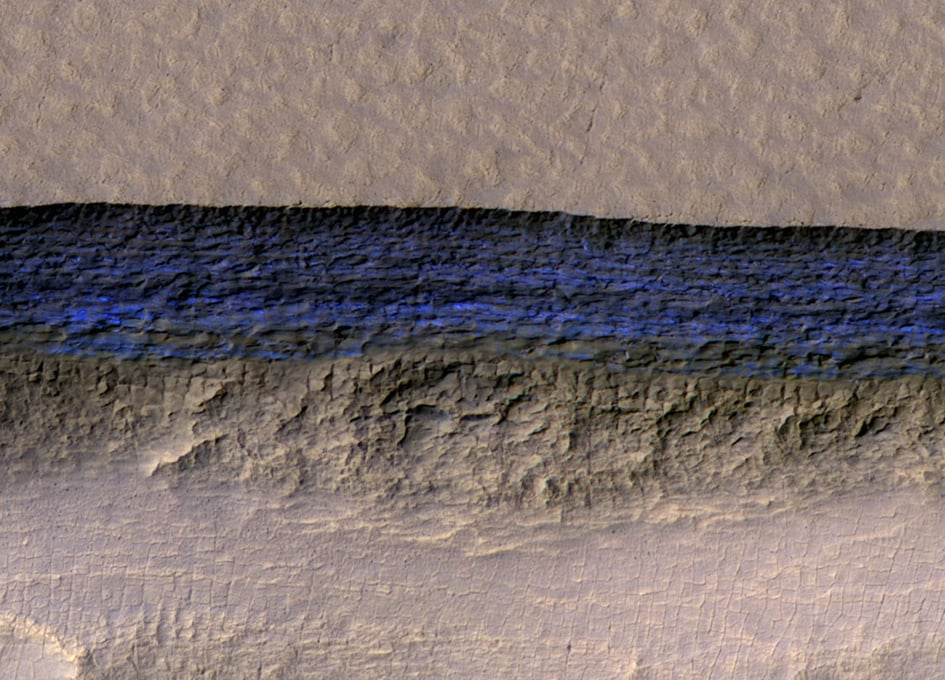
The search for life has expanded beyond meteorites. Space probes have uncovered evidence of water in various locations throughout our Solar System. Rovers on Mars have identified liquid water streams and frozen ice, while the Cassini spacecraft discovered significant glaciers on Saturn’s moon, Enceladus. The Phoenix lander confirmed the presence of water ice just three centimeters beneath the Martian surface. These findings indicate that the basic requirements for life—water, organic compounds, and energy sources—are likely present in multiple celestial bodies.
In addition to meteorite studies, radio telescopes have detected over a hundred organic molecules in interstellar dust clouds, including amino acids and components of nucleic acids. These discoveries bolster the panspermia hypothesis, which posits that life’s building blocks may be distributed throughout space, potentially seeding planets across the galaxy.
Despite the wealth of evidence regarding the ingredients for life, the search for intelligent extraterrestrial civilizations remains inconclusive. Years of UFO reports and efforts by the Search for Extraterrestrial Intelligence (SETI) programs to send messages into space have yielded no confirmed evidence of extraterrestrial intelligence. Many UFO sightings have been attributed to natural phenomena, such as ball lightning or plasma events, while claims of alien bodies presented to Mexico’s Congress in 2023 were swiftly dismissed as hoaxes.
The challenge lies not in the absence of evidence for life’s building blocks but in proving that these components have formed living organisms elsewhere. The presence of DNA building blocks in ancient meteorites indicates that the chemistry necessary for life occurs naturally in space; however, it does not confirm that alien bacteria or other life forms ever existed.
Recent advancements in artificial intelligence (AI) may offer new avenues for exploration. AI algorithms can analyze meteorite chemistry to differentiate between biological and non-biological origins of organic compounds. Machine learning techniques can filter noise from radio signals and identify atmospheric biosignatures on distant exoplanets. Human analysis may overlook subtle patterns across vast datasets, but AI’s capabilities can enhance our understanding of these complex findings.
While evidence suggests that the building blocks of life exist throughout the universe, the ultimate question remains unanswered: Did these components assemble into living organisms, whether microbial or intelligent? As the search continues, humanity stands on the brink of potentially significant discoveries in the quest for extraterrestrial life.