The quest for the hardest wood in the world often leads to surprising findings, with many common varieties like oak and hickory falling short. The definitive measurement for wood hardness is the Janka hardness test, which quantifies the force required to embed a steel ball halfway into a wood sample. This testing method establishes a clear standard for determining the hardest woods globally.
One of the standout competitors is the Australian Buloke (Allocasuarina luehmannii), frequently recognized as the hardest wood, boasting an impressive Janka hardness rating of approximately 5,060 lbf. Native to Australia, this flowering plant is renowned for its exceptional durability and density. It is often compared to the South American wood known as “axe-breaker,” or quebracho, which also exhibits extreme hardness, surpassing 4,500 lbf on the Janka scale. This wood is valued for its water resistance and has been historically used in construction and railway ties.
Another contender, Lignum vitae, aptly named “wood of life,” can achieve a hardness of up to 4,500 lbf. This wood is prized for its use in luxury items and musical instruments, although it is currently classified as an endangered species due to overharvesting.
The visually striking snakewood features a reddish-brown hue interspersed with black streaks, making it highly sought after for decorative purposes. Its density contributes to a high price point, particularly in the production of knife handles and instrument bows.
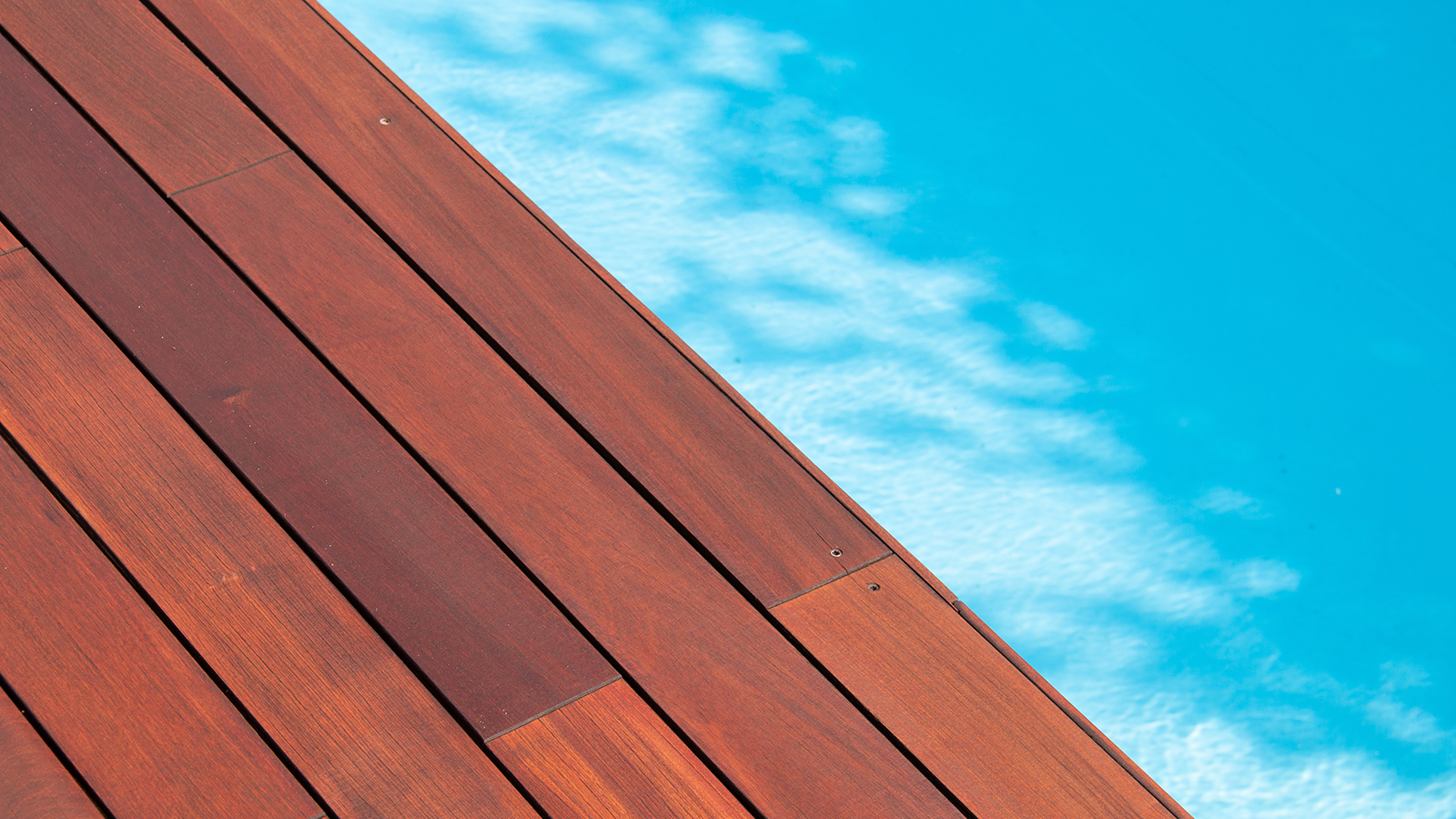
Often referred to as Brazilian walnut, ipe wood scores around 3,600 lbf on the Janka scale. Known for its resistance to water and insects, it is commonly utilized in outdoor construction and decking, underscoring its durability.
Among the most expensive woods globally, African blackwood is another notable entry, recognized for its high Janka rating. It is a favored material for crafting high-end musical instruments and is prized for its ability to be intricately carved and polished.
In the Sonoran Desert, a dense wood known for its durability also emerges as a contender. This wood, characterized by its dark color and decay resistance, is primarily sought after for carvings and luxury goods rather than flooring.
Additionally, Brazilian teak, a South American hardwood, achieves a Janka hardness of about 3,300 lbf. Its high density and water resistance make it a popular choice for flooring and heavy-use furniture.
The Janka hardness test serves as a pivotal benchmark, measuring the force (in pounds-force, or lbf) needed to embed a steel ball into wood. The result is a clear distinction, with common hardwoods like oak averaging around 1,300 lbf, while the hardest woods exceed 5,000 lbf. This measurement not only affects the performance of the wood in various applications but also influences its aesthetic value.
While softer woods like pine have their specific uses, the hardest woods stand out for their strength and prestige, making them sought-after materials in construction, carving, and various high-end applications. The ongoing exploration of wood types continues to unveil the remarkable characteristics of these resilient natural resources.