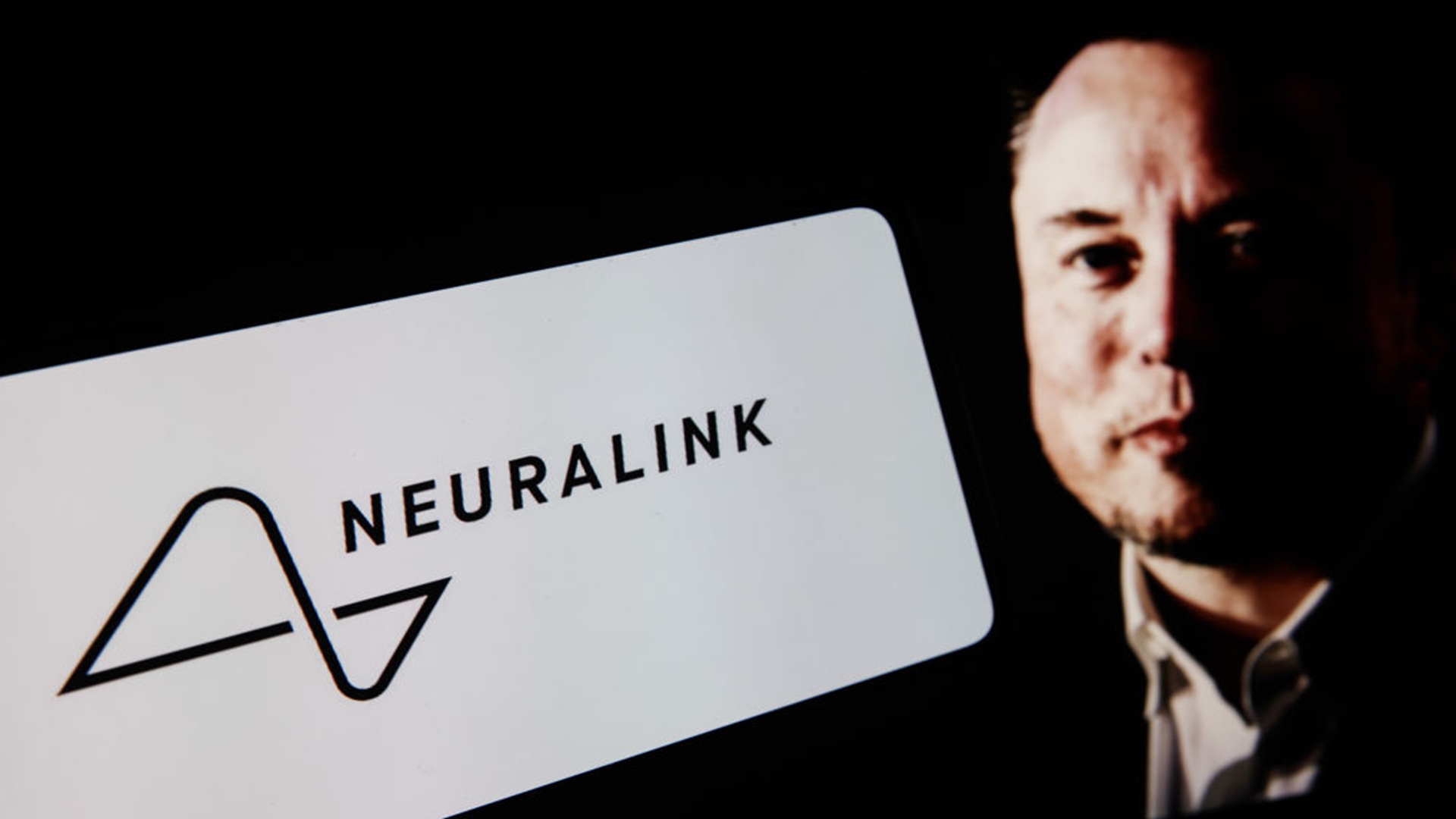
Elon Musk announced that his brain implant company, Neuralink, is set to commence “high-volume production” of its brain-computer interface devices in 2026. The company will also transition to a fully automated surgical procedure designed to implant these devices. Musk shared this information in a post on the social media platform X, detailing the technology’s potential to assist individuals with spinal cord injuries by enabling direct interaction with computers.
The journey to this point has seen Neuralink begin human trials in 2024 after addressing safety concerns raised by the U.S. Food and Drug Administration (FDA). Initially, the FDA rejected the company’s application in 2022, but subsequent trials have shown promise. As of September 2023, twelve individuals worldwide with severe paralysis have received the implants, allowing them to control digital and physical tools merely through thought.
Innovative Surgical Techniques and Future Goals
Neuralink’s upcoming production plans involve advanced techniques where device threads will navigate through the dura mater, eliminating the need for its removal. This represents a significant leap in surgical efficiency and patient care. Musk’s broader vision encompasses multiple projects slated for 2026 across various sectors, including space exploration, transportation, and cognitive technology.
Alongside Neuralink, SpaceX is gearing up to launch its first Starship V3 spacecraft in 2026. This upgraded vehicle will feature the new Raptor V3 engine and is expected to conduct critical propellant transfer tests in orbit, which could facilitate future missions to the Moon and Mars. Additionally, SpaceX plans to deploy Starlink V3 satellites to enhance internet connectivity worldwide.
In the realm of cognitive enhancement, Neuralink is preparing for the first patient trials of its Blindsight implant, aimed at restoring vision for individuals who are completely blind. This innovative brain-computer interface uses ultra-fine threads to stimulate the visual cortex, enabling perceptions of light and shapes.
Transportation and Technology Expansion
The transportation sector is also set for transformation, with Musk’s Boring Company planning to open the first section of its Nashville Loop in spring 2026. This underground electric vehicle transit system will connect downtown Nashville to key locations, including the Convention Center and Nashville International Airport, reducing travel time to approximately eight minutes while promoting zero-emission transportation.
Meanwhile, Tesla is preparing for a significant ramp-up in production, expected to include the launch of the Cybercab in April, alongside mass production of the Tesla Semi and the Optimus Gen 3 humanoid robots. The company also aims to introduce Full Self-Driving in an unsupervised mode and expand its energy storage capabilities with the Megapack 3 and Megablock systems.
In the field of artificial intelligence, Musk’s startup xAI is expanding its Colossus supercomputer cluster in Memphis, Tennessee. The addition of a third building is part of efforts to boost training capacity significantly.
Together, these initiatives reflect Musk’s ambition to advance multiple technology fronts simultaneously, positioning 2026 as a pivotal year for his ventures. With substantial funding of $650 million secured in June, Neuralink and Musk’s other companies are poised to make significant strides in their respective fields.