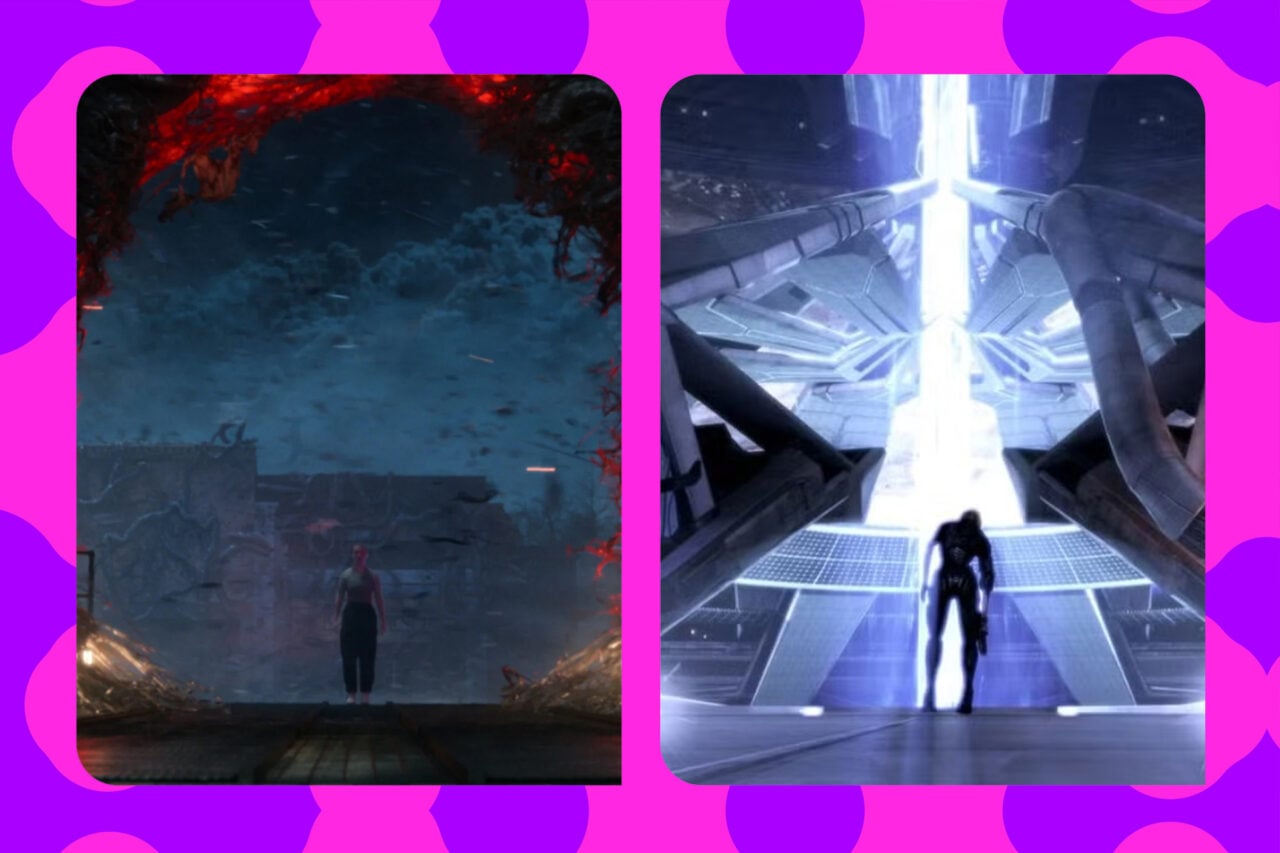
The contentious finale of Stranger Things has sparked a renewed debate among fans, drawing unexpected parallels to the infamous ending of Mass Effect 3. As Netflix released the second volume of the series’ fifth and final season on January 1, 2024, many viewers reacted negatively, prompting speculation about a potential “true ending” episode that could rectify perceived shortcomings.
The timing of this debate coincides with a personal journey through the Mass Effect trilogy, which began on Christmas. As I navigated the challenges of stopping Saren in the original game and assembling a team for the suicide mission in Mass Effect 2, the Stranger Things fandom was embroiled in discussions surrounding the series finale. Some fans have dubbed the situation “Conformity Gate” and “Documentary Theory,” the latter referring to a forthcoming behind-the-scenes special titled One Last Adventure.
This fervor reflects a broader trend in fandom behavior, grounded in a culture of searching for hidden meanings and unresolved plotlines. Critics are questioning whether Stranger Things has inadvertently trained its audience to seek clues in every detail, similar to other shows that ended on a note of dissatisfaction.
Notably, Sherlock and the troubled production of Justice League in 2017 also saw fans rallying around theories of undisclosed content following unsatisfactory conclusions. In the case of Justice League, the campaign for the “Snyder Cut” demonstrated how fan-driven speculation can lead to significant outcomes, as the director himself fueled hopes for a different vision.
The roots of this phenomenon can be traced back to when Mass Effect 3 launched in 2012. The game’s ending was met with widespread uproar due to its perceived lack of resolution after years of player investment. Fans quickly rallied behind the “Indoctrination Theory,” suggesting that protagonist Commander Shepard was a victim of mind control, which explained the ending’s unclear narrative. The theory gained traction as fans combed through the trilogy, finding supposed evidence to support their claims.
Despite the uproar, Bioware remained silent for three months before releasing the “Extended Cut,” which addressed some criticisms by adding new cutscenes and clarifying the original intent behind the finale. This move acknowledged the fanbase’s passion and frustration, reshaping the discourse surrounding unsatisfactory endings.
In 2013, Bioware released the paid DLC titled Citadel, presenting a lighter conclusion to the series that allowed players to celebrate with beloved characters. The response from fans helped to ease tensions, although the controversy surrounding the original ending endured, with some still advocating for the Indoctrination Theory even after its dismissal by the developers.
The legacy of these debates is evident in the current climate surrounding Stranger Things. The way in which Bioware navigated fan expectations may have inadvertently contributed to a culture where audiences feel empowered to demand alternate narratives. The ongoing discourse highlights a complex relationship between creators and fans, where dissatisfaction can breed speculation and hope for further content.
As Stranger Things fans continue to dissect the series finale, the situation serves as a reminder of how invested audiences can become in their favorite narratives. The outcome remains uncertain, but the parallels with Mass Effect 3 suggest that the conversation around storytelling, closure, and audience expectations is far from over.