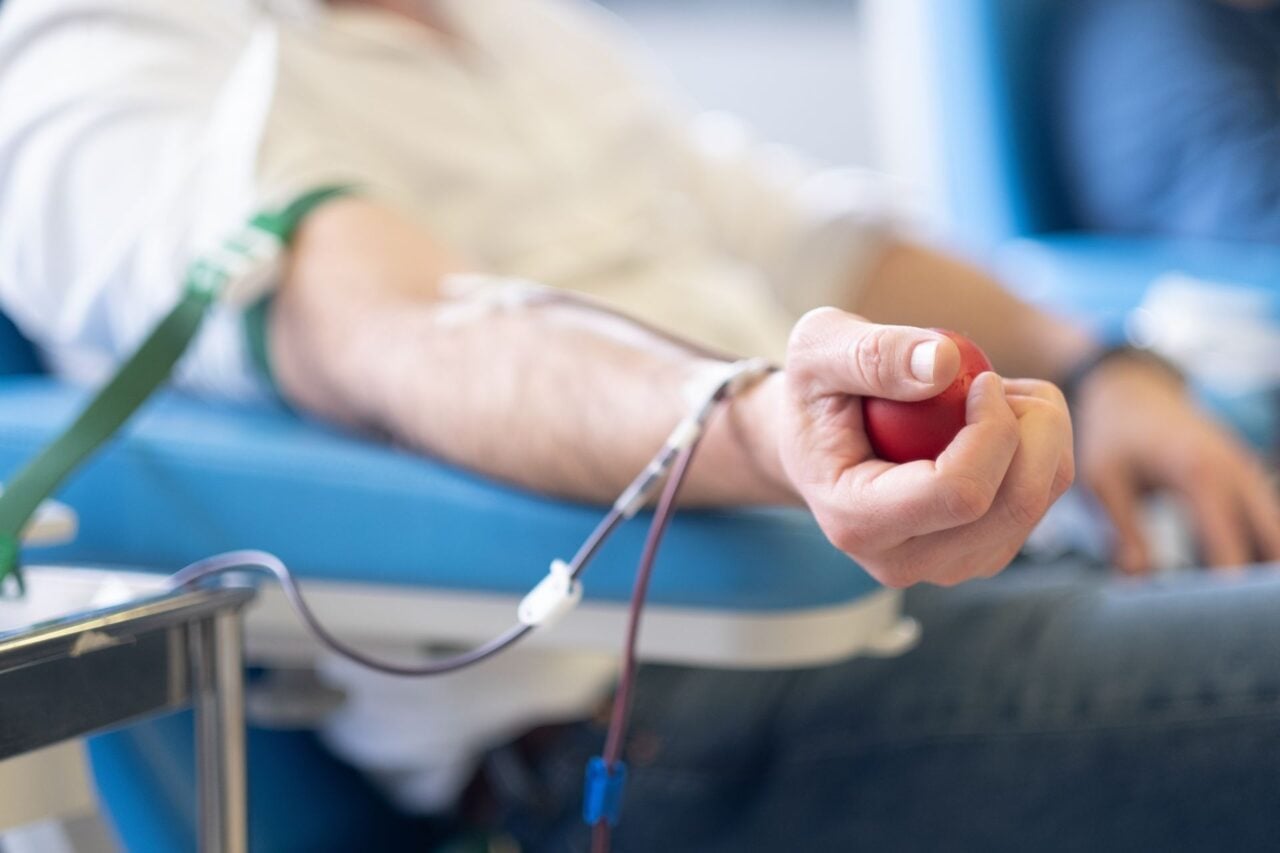
With the ongoing blood supply crisis, organizations such as the American Red Cross, the Association for the Advancement of Blood & Biotherapies, and America’s Blood Centers have issued urgent appeals for more blood donors. As of last month, the national blood supply remains critically low, making this an ideal time for new donors to step forward. If you’re considering donating blood for the first time, here are some essential tips to ensure the experience is as smooth as possible.
Understanding the Process and Safety
Donating blood is a safe and straightforward process. Each donor receives a new sterile needle, eliminating the risk of contracting bloodborne infections. Recent studies suggest that regular blood donation may even promote beneficial genetic changes in red blood cells, potentially reducing cancer risk, although further research is required to validate these findings.
While certain conditions, like having a recent tattoo, may temporarily disqualify you from donating, approximately two-thirds of Americans meet the eligibility requirements. Despite this, only about 3% actually donate blood each year. Preparing adequately for your donation can help ease any anxiety you might have.
To optimize your donation experience, focus on consuming iron-rich foods such as spinach, chicken, and red meat in the days leading up to your appointment. The day before, ensure you get sufficient rest, and on the day of your donation, avoid fatty foods and alcohol. If you are donating platelets, refrain from using aspirin at least two days prior. For those donating plasma, consuming high-protein foods before and after is highly recommended.
Staying hydrated is crucial. The American Red Cross suggests drinking at least 16 ounces of water or another non-alcoholic beverage before your appointment. Proper hydration helps increase blood volume, making the donation process smoother and enabling the phlebotomist to locate your veins more easily.
Preventing Common Side Effects
One of the most common concerns for first-time donors is the potential for fainting. This fear often deters individuals from donating blood. Fortunately, there is a technique known as applied muscle tension (AMT) that can help mitigate the risk of lightheadedness. Research indicates that AMT can reduce the likelihood of fainting by up to 83%.
To practice AMT, tense and relax large muscle groups to promote healthy blood flow. Techniques include crossing your legs, squeezing your thighs together, and flexing your feet. It’s advisable to perform these exercises just before the needle insertion and throughout the donation if you start feeling faint. Continuing this practice afterward can also help maintain stability.
Realizing the importance of blood donation can transform your perspective. Many begin their journey as donors motivated by incentives, such as gift cards. However, the critical role that blood donations play in healthcare cannot be overstated. Every two seconds, someone in the U.S. requires blood or its components to treat conditions ranging from cancer to trauma.
Becoming a frequent donor is even more beneficial, as the need for blood is constant. If you decide to donate regularly, consider taking iron supplements, particularly chelated iron, which is gentler on the stomach.
Ultimately, whether you choose to donate whole blood, platelets, or plasma, there is always an opportunity to contribute at a local blood center or community drive. In the United States, many plasma centers even offer compensation for donations, though ethical concerns surrounding this practice persist. Regardless of the method, donating blood remains one of the safest and simplest ways to give back to your community. Plus, the complimentary snacks and beverages post-donation are a delightful bonus.