The landscape of presidential libraries in the United States is complex and evolving, reflecting both the legacies of former leaders and the substantial financial commitments required to maintain them. The George W. Bush Presidential Center, located on the campus of Southern Methodist University in Dallas, Texas, stands as a significant example of this duality. With a total fundraising goal of approximately $1 billion, the center highlights the intersection of history, philanthropy, and real estate.
While George W. Bush, the 43rd president, has largely maintained a low profile since leaving office, his presidential library is a bustling hub of activity. Unlike his predecessors, Bill Clinton and Barack Obama, who remain prominent figures in public discourse, Bush’s post-presidency has been characterized by a more subdued presence. He participates mainly in official events, such as lighthearted appearances with former First Lady Michelle Obama, emphasizing a more personal connection rather than a political one.
Shilo Brooks, the newly appointed CEO of the George W. Bush Presidential Center, is tasked with ensuring that the library serves as more than just a monument to the past. According to Brooks, maintaining the center requires significant ongoing financial support. “We still need to raise $14 million each year for our annual budget,” he stated in a profile by journalist Cheryl Hall. Despite an endowment that provides some relief, Brooks emphasizes the necessity of continued contributions from donors to sustain operations.
The financial implications of presidential libraries are substantial. As noted by the National Taxpayer’s Union Foundation, costs for operating the extensive network of facilities have surged to over $100 million annually. This raises important questions about the funding sources and the role of private donations in supporting these institutions.
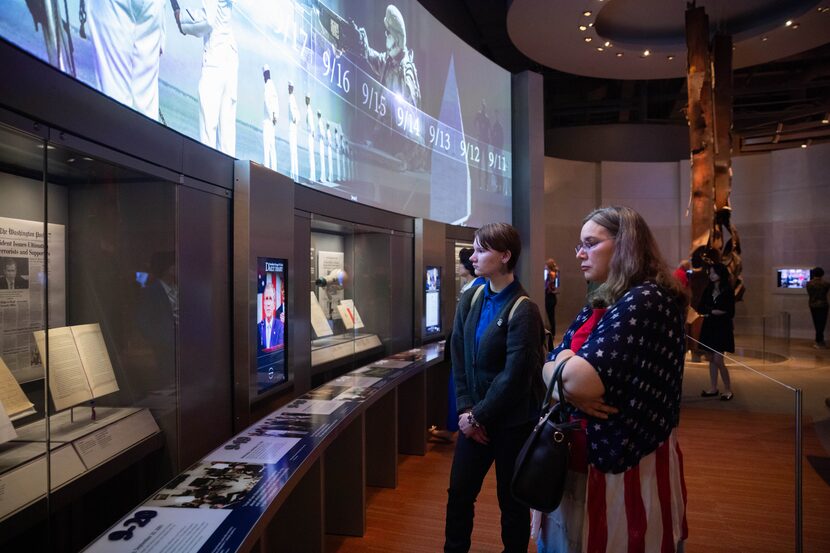
The George W. Bush Presidential Center, which spans 23 acres, showcases various aspects of Bush’s presidency. Visitors can explore interactive exhibits, including a replica of the Oval Office and displays that address pivotal moments such as the events of September 11 and the response to Hurricane Katrina. Perhaps one of Bush’s most significant legacies, the PEPFAR initiative, initiated in 2003, aimed to combat the AIDS epidemic in Africa with an initial budget of $15 billion. This program has since evolved into the largest international health initiative in history, with expenditures exceeding $125 billion.
Brooks highlights the importance of these exhibitions in shaping public understanding of the Bush presidency. He notes that they serve as an informative and interactive mirror, allowing visitors to engage with historical events in a meaningful way. This approach not only preserves the legacy of the presidency but also fosters an ongoing dialogue about its impact.
In addition to his work with the library, Bush has ventured into painting, a hobby that has surprised many. Brooks remarked, “Nobody would have thought that he would have become a painter. But he did. And he’s a darn good one.” As time progresses, it is possible that Bush’s artwork may also contribute to his evolving legacy.
The future of presidential libraries, particularly the George W. Bush Presidential Center, hinges on the delicate balance between historical preservation and financial sustainability. As Brooks continues to lead fundraising efforts, the center will play a vital role in shaping how the Bush presidency is remembered and understood by future generations.