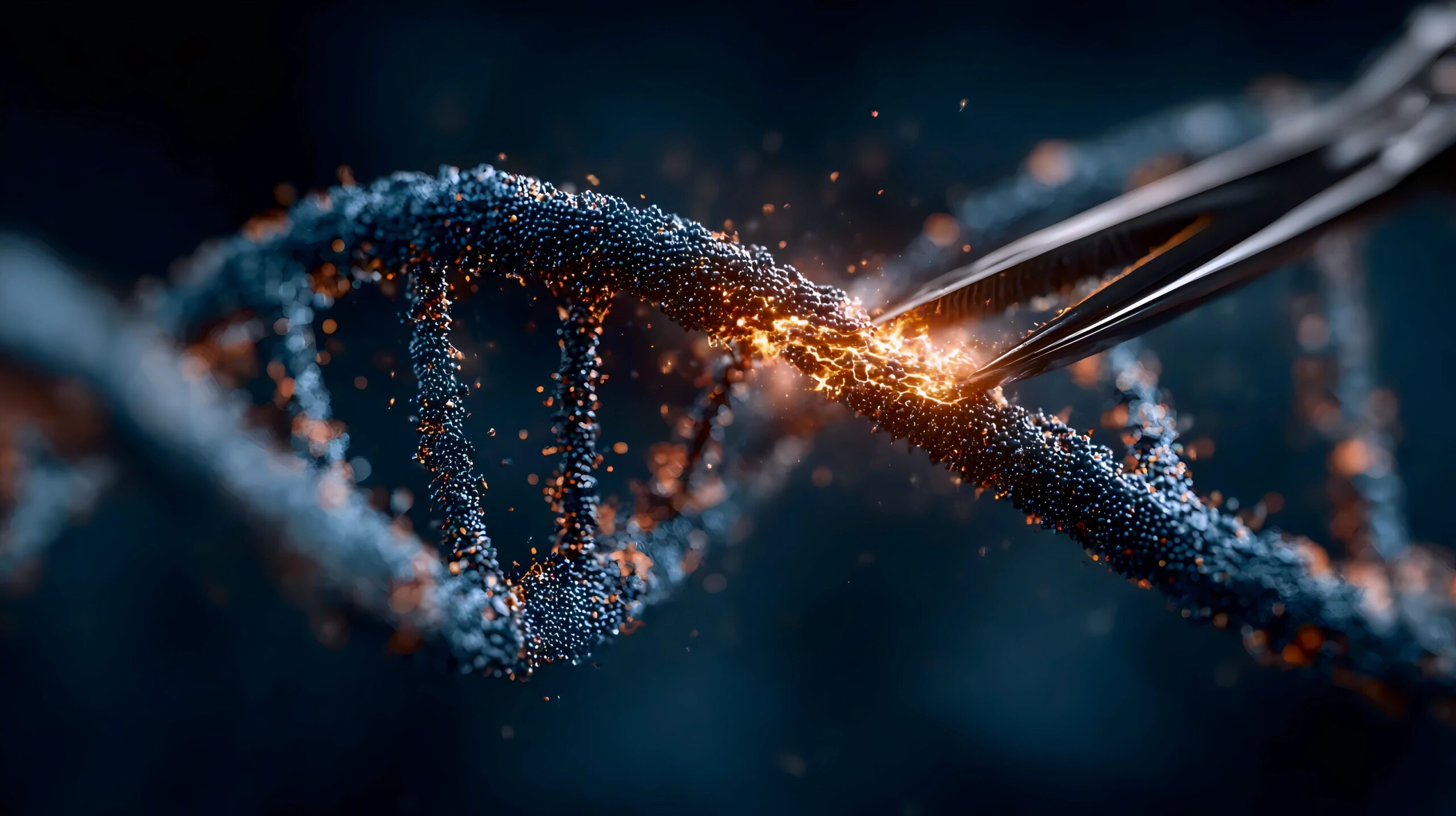
Research conducted at the University of California, San Diego has introduced a revolutionary technique using three-dimensional magnetic torque to improve the study of heart mechanics in organoids. This method addresses significant limitations of traditional experimental models, which often fail to adequately replicate human heart conditions.
Heart disease continues to be the leading cause of death globally, accounting for approximately 16 million fatalities each year. Despite this alarming statistic, advancements in understanding and treating cardiac disorders have been hindered by the inadequacies of existing experimental models. Conventional animal models frequently do not mirror human-specific cardiac biology, while traditional two-dimensional cell cultures lack the necessary functional and structural complexity of actual heart tissue.
New Approach Enhances Cardiac Research
The research team developed a novel approach that utilizes magnetic torque to manipulate organoids, which are miniature, simplified versions of organs created from stem cells. This technique allows for precise control over the mechanical environment of the heart organoids, enabling them to mimic the dynamic conditions of a real heart more accurately.
According to the study published in Nature Biomedical Engineering in July 2023, this method not only enhances the functionality of the organoids but also opens new avenues for investigating heart diseases and testing potential treatments. The researchers were able to observe how these organoids responded to various stimuli, providing valuable insights into cardiac behavior and pathology.
Previous methods of studying heart conditions often fell short in replicating the complexities found in human hearts. The ability to apply mechanical forces through magnetic torque creates a more realistic environment for the organoids, facilitating better research outcomes. This advancement is expected to significantly enhance the understanding of heart diseases such as cardiomyopathy and heart failure.
Implications for Future Research
The implications of this research extend beyond basic science. By improving the accuracy of cardiac models, the new technique could accelerate the development of targeted therapies, leading to more effective treatments for heart disease. The ability to test new drugs in a more representative environment may also reduce the reliance on animal testing, aligning with ethical considerations in biomedical research.
Dr. Michael L. T. Wong, one of the lead researchers on the project, emphasized the importance of this development, stating, “Our approach allows us to study the heart in ways that were previously impossible, paving the way for breakthroughs in cardiac medicine.”
As the global burden of heart disease continues to rise, innovations like this are crucial. The development of more accurate models not only aids in understanding the disease but also in devising solutions that can save lives. With this new magnetic torque technique, researchers are optimistic about the future of cardiac research and the potential to significantly alter treatment strategies for millions affected by heart-related ailments.