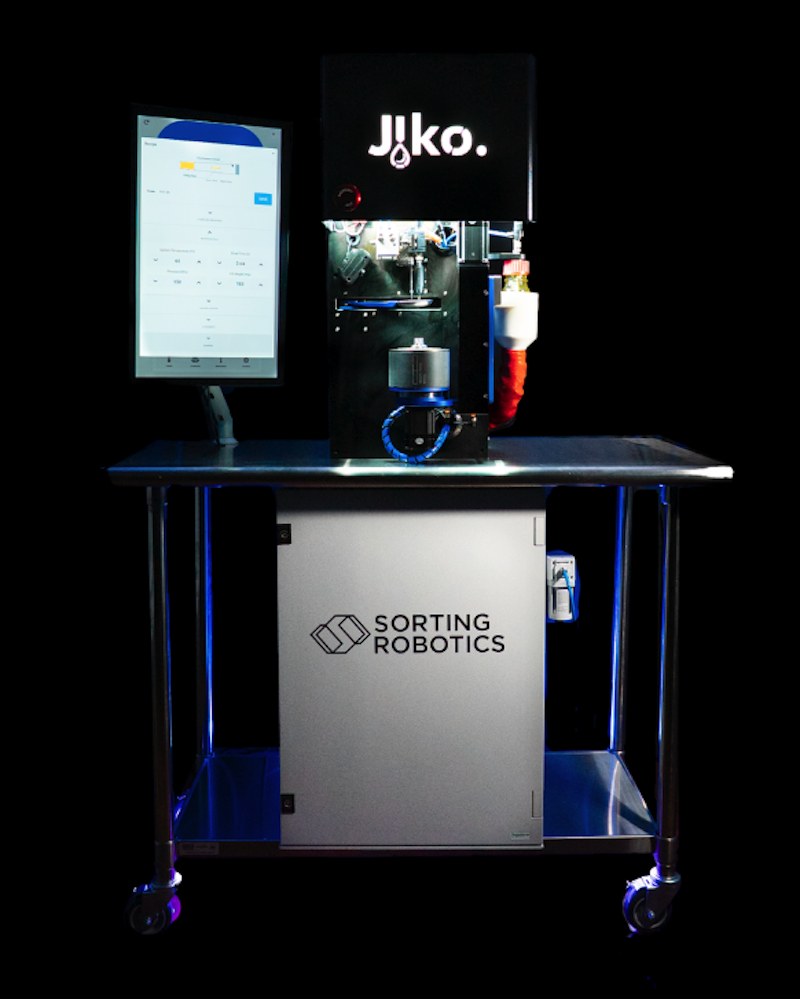
Robotics deployments often fail not due to technical flaws but because of the operational environments in which they function. According to insights from Nohtal Partansky, founder and CEO of Sorting Robotics, and Patrick DeGrosse Jr, director of engineering, the primary challenges arise after a system transitions from validation to real-world operation.
Many robotics systems are designed and tested under controlled conditions. Once these systems are deployed in unpredictable environments, they encounter unforeseen variables. These can include factors such as fluctuating temperatures, varying surface conditions, and unexpected interactions with human operators. As a result, systems that seemed robust during testing often struggle when faced with the realities of an “always-on” environment.
Understanding the limitations of robotics technology is essential for successful deployment. Partansky and DeGrosse emphasize that many issues stem from the lack of adaptability in robotic systems. When a robot encounters situations it was not explicitly programmed to handle, performance can degrade, leading to downtime or even system failure.
Identifying the Core Issues
The founders of Sorting Robotics highlight several critical requirements for effective robotics deployment. One major factor is the need for systems to be designed with flexibility in mind. This means incorporating advanced algorithms that allow robots to learn from their environments, adapt in real-time, and make decisions based on changing conditions.
Moreover, they point out that the integration process should not be overlooked. Proper integration involves aligning robotics systems with existing workflows and ensuring that human operators are trained to collaborate effectively with the technology. When humans and machines work in tandem, the potential for errors decreases significantly.
Partansky and DeGrosse suggest that organizations must also invest in continuous monitoring and support post-deployment. This could involve using data analytics to track performance metrics and identify areas for improvement. By maintaining an ongoing relationship with the technology, companies can ensure that their robotics systems remain effective and responsive to changing demands.
Strategies for Success
To address these challenges, the authors propose several actionable strategies. First, companies should prioritize pilot programs that allow for real-world testing in varied environments before full-scale deployment. This approach helps identify specific weaknesses in robotics systems, enabling engineers to make necessary adjustments.
Additionally, fostering a culture of collaboration between engineers and operators can enhance the efficacy of robotics systems. When operators provide feedback on system performance, engineers can improve designs and algorithms based on practical insights.
Another recommendation is to leverage advancements in artificial intelligence and machine learning. By implementing these technologies, organizations can create more resilient systems capable of learning and evolving with their operating environments. This adaptability can significantly reduce the likelihood of failures and enhance overall efficiency.
In conclusion, successful robotics deployment hinges on understanding the complexities of operational environments and designing systems that can adapt to them. By focusing on flexibility, integration, and continuous support, companies can overcome the common pitfalls associated with robotics technologies. This strategic approach not only improves performance but also enhances the long-term viability of robotics in various industries.