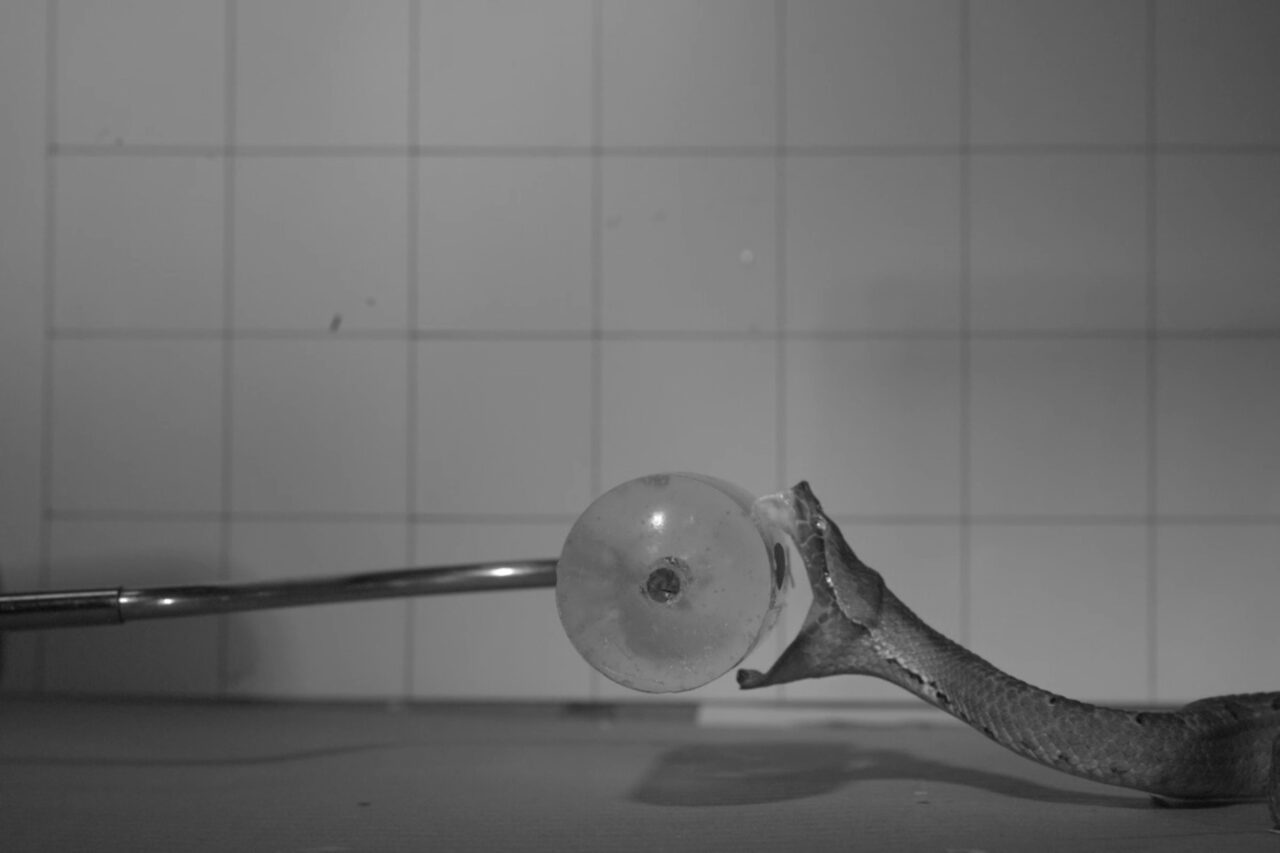
Researchers from Australia and France have achieved a groundbreaking feat by capturing high-speed footage of venomous snake bites, documenting the intricate details of how these reptiles deliver their lethal venom. This study, released on March 14, 2024, marks the first comprehensive examination of bite mechanics across three major families of venomous snakes: viper, elapid, and colubrid.
Utilizing advanced video technology, the scientists recorded more than 100 strikes from 36 different snake species at an astonishing rate of 1,000 frames per second. The footage provides vital insights into the evolutionary adaptations of snakes in their predatory behaviors. Alistair Evans, a researcher at Monash University and the study’s lead author, emphasized the significance of this research in understanding these species’ varied hunting techniques.
Understanding the Mechanics of a Snake Bite
The collaborative effort included partnerships with Venomworld, a facility in France specializing in venom production. This arrangement allowed researchers to safely study a diverse array of snakes under controlled conditions. The snakes were recorded biting a cylinder wrapped in ballistics gel, designed to mimic natural prey, ensuring both the safety of the snakes and the integrity of the data collected.
Evans noted that previous studies were limited in scope, often focusing on fewer than ten species. In contrast, this research provides a more extensive look: “The main advantages of our study are that we examined the full strike behavior in the largest number of species while they were in the same conditions,” he stated.
The findings reveal distinct differences in how various snake families bite and deliver venom. Vipers, known as ambush predators, displayed the fastest bite speeds, with their fangs reaching their target within 100 milliseconds. They were also more meticulous, ensuring their fangs secured a grip before injecting venom. If the initial strike missed, these snakes would reposition and strike again.
Elapid snakes, which include cobras, demonstrated a different approach. They tend to bite multiple times, maximizing venom delivery. Their stealthy tactics during an attack were also noteworthy, indicating an evolutionary advantage when approaching their prey.
Colubrid snakes, characterized by their rear fangs, required a firm grip to deliver venom effectively. Their unique biting technique often resulted in crescent-shaped gashes in their prey, allowing venom to seep in more efficiently.
The Implications of Snake Bite Research
Published in the Journal of Experimental Biology, this research provides a crucial piece of the puzzle in understanding how snakes have adapted to their various lifestyles and prey types. Evans expressed hope for future studies to explore additional snake families and their interactions with different prey sizes and environments, expanding on the groundwork laid by this research.
While the current study focused primarily on vipers, the potential for further investigation into elapid and colubrid snakes remains vast. Evans mentioned, “It would be very interesting to see more about how snakes vary their approach to prey of different sizes and in different environments.”
As this research unfolds, it not only sheds light on the deadly efficiency of venomous snakes but also enhances our understanding of the evolutionary pathways these fascinating creatures have taken. The detailed observations captured may even inform medical research, particularly in the development of antivenoms and treatments for snakebites.