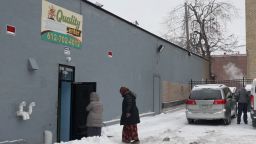
In Minneapolis, the Somali community is experiencing a wave of harassment and threats following allegations of fraud against local day care centers. Fardowsa Ali, owner of Albi Kitchen, reported receiving threatening phone calls since a video posted by conservative content creator Nick Shirley accused day care facilities in her community of engaging in fraudulent activities. This video has not only disrupted business but has also instilled fear among residents.
“It’s really sad,” said Ali, who opened her restaurant last summer. “I called police because one guy called here and said he was going to come here and break everything.” Her experience reflects broader concerns in the community, where business owners and families have reported being harassed and bullied on social media since the video’s release.
Impact on Local Businesses and Families
The fallout has left many Somali restaurants and coffee shops nearly empty. Ali noted that her establishment, usually bustling with customers seeking traditional Somali dishes, has seen a drastic decline in patronage. Parents are increasingly anxious about sending their children to school, with reports of vandalism at local day care centers adding to the climate of fear.
Kassim Busuri, a day care owner near Minneapolis, shared that his facility has also been affected. He has received a surge of calls related to enrollment and operations, with many inquiries coming from individuals who seem more interested in stirring trouble than seeking genuine information. “It’s just random calls, extra things that we don’t need to focus on,” Busuri said, emphasizing the need to concentrate on the welfare of the children in his care.
The Minnesota Department of Children, Youth, and Families confirmed that investigators visited the child care centers implicated in the fraud allegations and found most operating as expected, except for one that was not yet open.
Community Response and Broader Context
The allegations against the Somali community have attracted unwelcome scrutiny at a time when they are already grappling with anxiety stemming from previous incidents, including remarks made by Donald Trump in December 2022, during which he referred to the community in derogatory terms. The Twin Cities have become a focal point for immigration enforcement actions, intensifying the community’s sense of vulnerability.
Activists and community leaders are rallying to defend the integrity of the Somali population, which numbers approximately 84,000 in Minnesota, making it the largest Somali community in the United States. They assert that the majority of Somali individuals are law-abiding citizens who contribute positively to society. Jaylani Hussein, executive director of the Council on American-Islamic Relations (CAIR) in Minnesota, emphasized that the current climate is undermining safety and stability for many families.
“Families live in fear, businesses suffer, and trust in public institutions erodes,” Hussein remarked, highlighting the immediate impact of stigmatization on livelihoods.
While some fraud allegations have resulted in legal actions—such as federal charges against several individuals linked to the nonprofit Feeding Our Future—community organizers like Khalid Omar are cautious about framing an entire community based on the actions of a few individuals. “If someone commits fraud, they should be held accountable, period,” he stated, advocating for a fair investigation without collective punishment.
The situation continues to unfold, with many in the Somali community calling for understanding and support rather than hostility. As they navigate these challenges, advocates stress the importance of recognizing the contributions of Somali residents to Minnesota’s economy and social fabric.