Recent research has uncovered that plants physically touching each other can enhance their ability to withstand environmental stresses, particularly intense light. This finding suggests that a biological signalling network forms when plant leaves make contact, allowing them to communicate and prepare for upcoming challenges. The study, which is yet to undergo peer review and is available on BioRxiv, highlights how resilience in plants refers to their capacity to endure excess light without incurring significant damage, such as leaf lesions.
In the study, researchers measured ion leakage from the leaves to assess damage. A plant’s resilience is indicated by lower ion leakage when exposed to intense light, while more sensitive plants exhibit higher leakage. According to Ron Mittler, a phytologist at the University of Missouri, “We demonstrated that if plants touch each other, they are more resilient to light stress by comparing groups of plants that touch each other with groups that do not.”
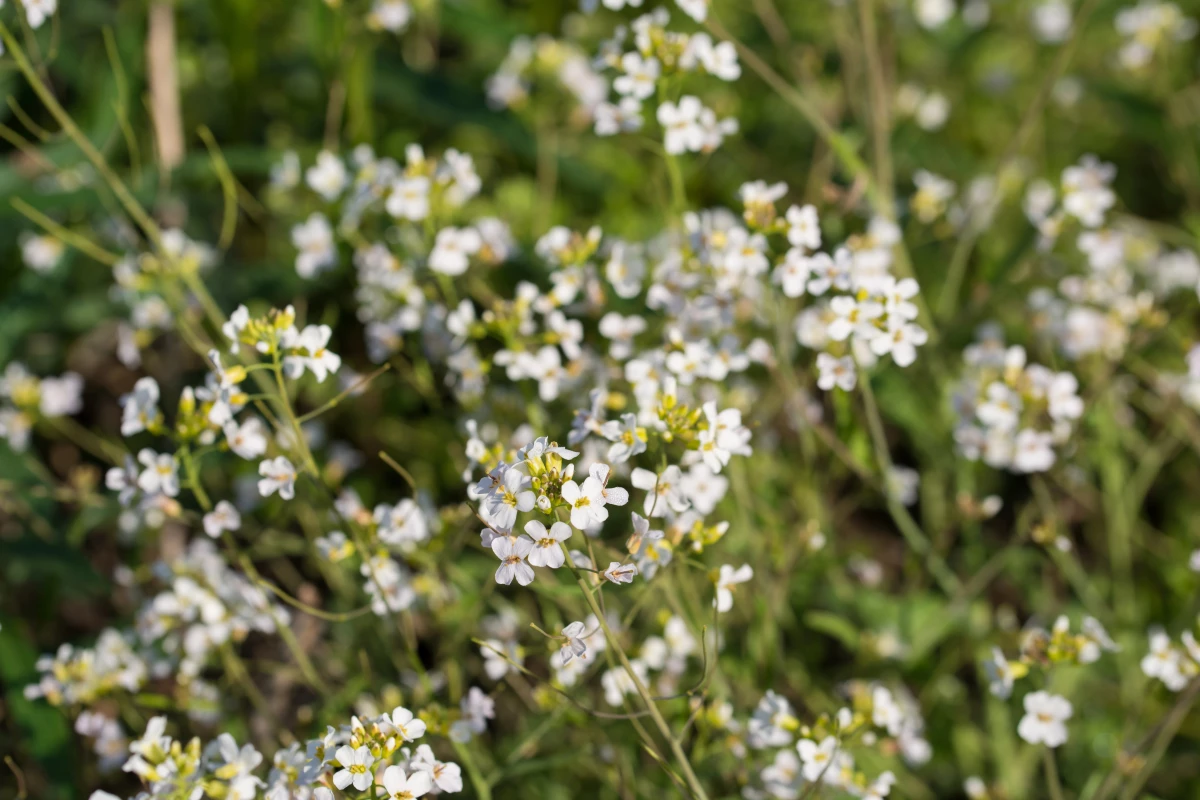
The research builds on a previous study from 2022, which showed that physically connected plants can transmit electrical signals. Mittler’s team sought to investigate if touch itself could enhance a plant’s tolerance to stress. For this study, they utilized the small weed-like plant Arabidopsis thaliana. The plants were arranged in two groups, with one group maintaining leaf-to-leaf contact while the other did not.
After establishing this physical connection, the plants were subjected to bright light, mimicking harsh sunlight conditions. Results demonstrated that plants in contact displayed lower leaf damage and reduced accumulation of anthocyanin, a pigment that indicates stress. In contrast, plants grown independently showed significantly higher levels of anthocyanins, suggesting they experienced greater stress.
Mittler explained that when one plant is stimulated or stressed, it sends a signal to neighboring plants, enhancing their collective tolerance. To further understand the mechanisms involved, the researchers used genetically modified plants that lack the ability to transfer chemical signals. The experimental setup involved a chain of three plants: a transmitter, a mediator, and a receiver. When the mediator was replaced with mutant plants, the receiver plants did not receive the protective signals against stress. This highlighted the significance of hydrogen peroxide secretion in boosting resilience.
This study underscores the cooperative aspects of plant behavior. Although plants typically compete for resources like space and nutrients, Mittler suggests that this cooperation represents an evolutionary strategy. He stated, “If you grow under harsh conditions, you better grow in a group. If you grow under really ideal conditions with no predators, with no stressors, then you better grow individually.”
Piyush Jain, a plant biologist from Cornell University, who contributed to the study, remarked on the innovative experimental design. He noted that it addresses a longstanding question regarding the roles of chemical and electrical signaling in enhancing resilience to excessive light stress.
As research continues to unfold, the implications of these findings could have a substantial impact on understanding plant communication and resilience strategies in changing environmental conditions.