Research conducted by the Helmholtz Centre for Environmental Research (UFZ) has unveiled significant behavioral changes in bees and fish exposed to crop protection chemicals. Published on November 6, 2025, in the journal Environment International, this study highlights the unintended consequences of agricultural chemicals on non-target organisms.
Plant protection products are essential for safeguarding crops from pests and diseases. Yet, as this study shows, substances like fungicides, herbicides, and insecticides can adversely affect terrestrial and aquatic life not intended for direct exposure. With increasing concerns about biodiversity, understanding these impacts has never been more crucial.
Behavioral Changes Indicated in Model Organisms
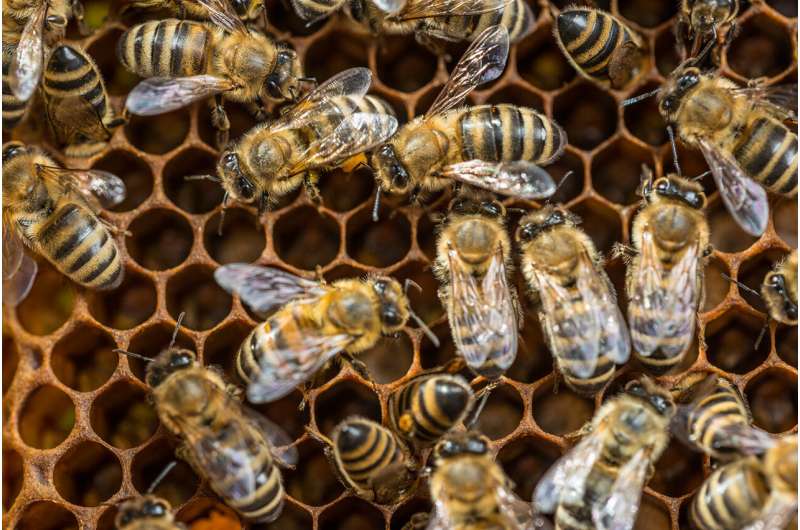
The UFZ research team focused on two model organisms: the honeybee (Apis mellifera) and the zebrafish (Danio rerio). These species were chosen due to their importance in their respective ecosystems. The study revealed that even non-lethal exposure to these agricultural chemicals could lead to observable behavioral alterations.
Lead author and UFZ doctoral student, Cassandra Uthoff, stated, “Depending on the type of product, low concentrations can damage health or impair behavior.” Such changes can affect individual organisms, disrupt populations, and ultimately threaten ecosystem biodiversity.
The study emphasizes the need for more complex behavioral tests in the risk assessment of these chemicals. Currently, existing tests often do not adequately address the potential impacts on non-target species, leaving a gap in regulatory frameworks.
Insights from Exposure Studies
The research involved exposing honeybees to insecticides and analyzing their foraging activities and nectar processing behavior. Findings indicated reduced foraging efficiency and altered behaviors following exposure to insecticides. In contrast, fungicides and herbicides decreased brood care activities among the bees, which could have long-term repercussions for colony health and pollination services.
For aquatic organisms, the UFZ team employed a behavior-based screening method using zebrafish embryos. This approach allows researchers to assess neuroactive effects of chemicals, such as learning and memory alterations. The fish embryos were subjected to various concentrations of a mixture of insecticides, herbicides, and fungicides commonly found in small streams in Germany. Results showed that exposure to higher concentrations led to significant behavioral changes, indicating that these mixtures can disrupt normal functions in aquatic life.
Prof. Martin von Bergen, one of the principal investigators, pointed out that the effects observed suggest the ecological impact of these chemicals may be more extensive than previously recognized. “Rainfall washes plant protection products into surrounding waters, which can affect aquatic habitats far from the application site,” he explained.
Prof. Tamara Tal, co-head of the study, added, “This work demonstrates that mixtures of co-occurring plant protection products can alter behavior at environmentally relevant concentrations.” She advocated for regulatory frameworks that consider cumulative risks to better protect non-target organisms.
The findings from this interdisciplinary research call for urgent attention to the regulatory measures in place. By incorporating more relevant behavioral assessments into the risk evaluation of plant protection products, policymakers could help mitigate the negative impacts on biodiversity in agricultural landscapes.
In conclusion, the study underscores the interplay between human agricultural practices and the health of ecosystems, highlighting the need for a more holistic approach to environmental protection and chemical regulation.